
Flowers
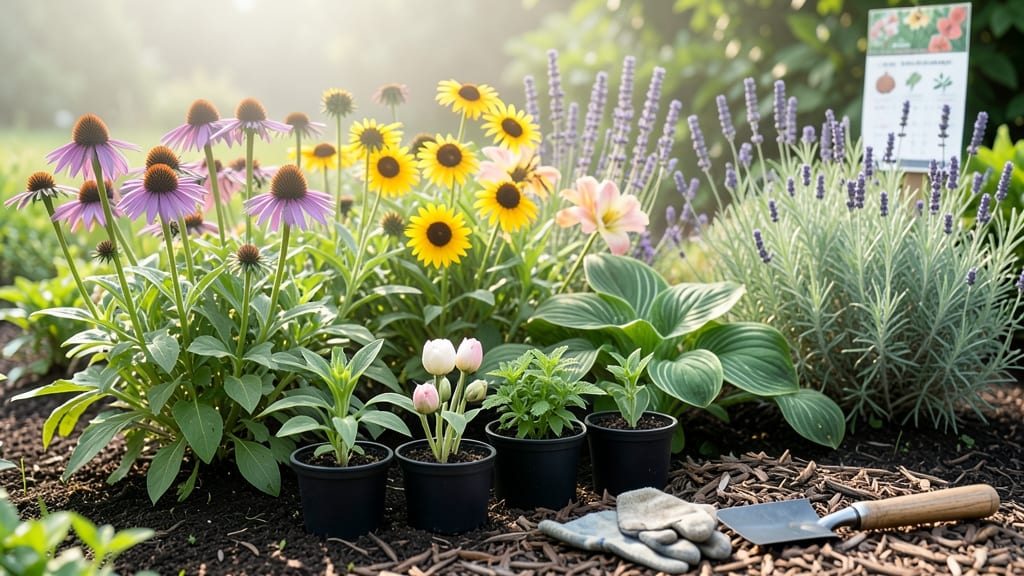
Planting your 🌸 flowers in NJ at the wrong time can mean the difference between a showstopping garden and a sad, frost-nipped disappointment. With New Jersey’s USDA Zones 6b-7a bringing unpredictable frost dates, knowing the exact windows for spring and fall planting is the key to success.
Most gardeners assume "spring" means March, but in NJ, that’s often too early—especially for tender annuals. The real magic happens between March 15 and May 15 for cool-season blooms, while fall lovers should aim for September 1 to October 15 to beat the first frost.
Miss these dates, and you risk wilting before the blooms even begin.
I’ve spent years testing what works in NJ’s climate, and the secrets aren’t just about timing—they’re about soil prep, frost-proofing, and choosing the right flowers. Whether you’re a first-time gardener or a seasoned pro, these zero-frost strategies will help you plant with confidence and watch your garden thrive.
Ready to transform your yard into a year-round flower powerhouse? Let’s dive into the exact planting schedule, frost-smart tips, and the best NJ-adapted blooms to make your garden stand out—no matter what Mother Nature throws your way.
NJ flower planting calendar by month: exact dates for annuals, perennials, and bulbs
New Jersey’s last frost dates vary dramatically between North Jersey (Zone 6b) and South Jersey (Zone 7a), with average last frosts ranging from April 15 in the north to May 1 in the south.
This two-week difference means timing is everything—plant too early and risk frost damage, too late and miss peak blooms. Below is your month-by-month planting guide for annuals, perennials, and bulbs, tailored to NJ’s frost-prone climate.
For spring bulbs like tulips and daffodils, plant them 6-8 weeks before your region’s last frost date—typically October 1-November 15. Meanwhile, warm-season annuals like marigolds and zinnias should wait until after May 15 in most of NJ.
This calendar accounts for microclimates, so adjust dates if you live near coastal areas (warmer) or inland valleys (colder).
| Month | Plant Type | Action | Notes |
|---|---|---|---|
| March | Spring Bulbs | Plant | Daffodils, tulips (Zone 6b: March 15-April 1) |
| March | Perennials | Divide | Daylilies, hostas (after last frost) |
| April | Annuals (Cold-Hardy) | Sow Seeds | Pansies, snapdragons (Zone 6b: April 15) |
| May | Annuals (Warm-Season) | Plant | Marigolds, zinnias (after May 15) |
| September | Fall Bulbs | Plant | Crocuses, hyacinths (6-8 weeks before frost) |
| October | Perennials | Plant | Coneflowers, black-eyed Susans (before Nov 1) |
In March, focus on spring bulbs like tulips and daffodils, which thrive when planted in cool soil (40-50°F). For North Jersey gardeners, aim for March 15-April 1—earlier than South Jersey’s April 1-May 1 window.
This month is also ideal for dividing perennials like daylilies, but wait until after the last frost to transplant.
April is your cold-hardy annuals month—sow pansies, snapdragons, and sweet alyssum as soon as soil is workable (50°F). These flowers tolerate light frosts (20-25°F) and will bloom earlier than warm-season varieties. South Jersey can push these plantings 2 weeks later than North Jersey.
By May, shift to warm-season annuals like marigolds, petunias, and zinnias, which need consistent warmth (60°F+ soil). Wait until after May 15 in most of NJ to avoid late spring frosts.
For perennials, this is the last month to plant bare-root varieties like lavender or Russian sage.
Don’t overlook fall planting—September and October are perfect for bulbs and perennials that need to establish roots before winter. Plant crocuses and hyacinths in September (6-8 weeks before frost) and coneflowers or black-eyed Susans in October for spring blooms. These fall-planted perennials often outperform spring plantings.
For container gardening, follow the same monthly rules but use heat mats or row covers to extend seasons. South-facing patios in NJ can stay 5-10°F warmer than garden beds, allowing 2-3 weeks earlier plantings of heat-loving flowers like geraniums or salvias.
Pro tip: Use frost cloth to protect early spring plantings if unseasonable cold hits. Monitor NJ State Climate Office alerts for false spring warnings, which can trick gardeners into planting too soon. Wait for consistent 50°F+ nights before sowing cold-sensitive seeds.
🌱
How to adjust planting times for NJ’s microclimates and frost risks
New Jersey’s microclimates can make all the difference between a thriving garden and one that struggles with late frosts. Even within the same county, temperatures can vary by 5-10°F depending on elevation, proximity to water, or urban heat islands.
For example, North Jersey’s average last frost date is around April 15, while South Jersey often sees frost-free conditions by April 1. These differences mean your planting schedule should shift based on your exact location.
Beyond regional averages, false springs are a major pitfall. One warm week in March can fool you into planting tender annuals like petunias or marigolds too early—only for a 28°F freeze to hit in April.
I’ve seen this happen more times than I can count, and it’s heartbreaking to watch young plants wilt overnight. The key is to use local frost data and adjust your timeline by at least 2-3 weeks for high-risk areas.
⚠️ callout-warning ⚠️
To extend your planting window, use row covers or cold frames to protect early plantings. A simple floating row cover (like Reemay fabric) can raise soil temps by 5-8°F, allowing you to plant 3-4 weeks earlier for heat-loving flowers like zinnias or cosmos.
I’ve had success with these covers in North Jersey gardens as late as March 1, giving my marigolds a head start. Just remember to remove covers during the day in 70°F+ weather to prevent overheating.
For fall planting, focus on cold-hardy varieties like chrysanthemums or asters, which can handle light frosts.
Aim to plant these by September 15 in South Jersey and October 1 in North Jersey to ensure they establish roots before winter. Mulch heavily (3-4 inches of straw or shredded leaves) to insulate roots and prevent freeze-thaw cycles that can damage plants.
In my Central Jersey garden, this strategy has kept hardy mums blooming until November 15.
Heat-tolerant flowers like lantana, salvia, or black-eyed Susans are your best bets for pushing summer plantings later. These varieties thrive in 90°F+ temps and can be planted as late as June 15 in most of NJ.
Pair them with drought-resistant mulch (like pine straw) to retain moisture and reduce stress. I’ve seen lantana bushes in South Jersey bloom nonstop from July through October with minimal care—just deep watering once a week.
Track your local frost dates using the NJ State Climate Office or apps like Old Farmer’s Almanac. Adjust your schedule based on 3-year averages rather than one year’s data—this accounts for NJ’s unpredictable weather patterns.
With these strategies, you’ll avoid common mistakes and enjoy longer bloom seasons in your garden. Happy planting! 🌸