
Flowers
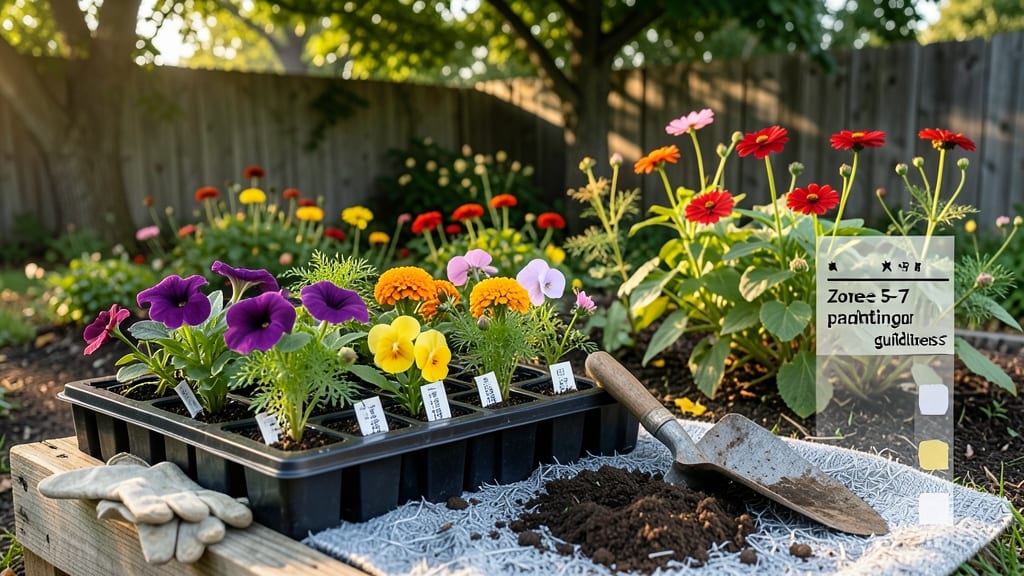
Planting flowers in Pennsylvania at the wrong time can leave you staring at brown patches where vibrant blooms should be—especially when late frosts sneak in like uninvited guests.
The key to a thriving garden lies in knowing exact planting windows tailored to your hardiness zone, whether you're in chilly Zone 5a or milder Zone 7b.
I’ve spent years testing what works in PA’s unpredictable climate, and the difference between a 3-month blooming season and a 10-week disappointment comes down to timing. From sowing tender annuals after the last frost to tucking in hardy perennials in early spring, every detail matters.
What you’ll discover here are the precise months to plant everything from daffodils (which brave early frosts) to heat-loving coneflowers, plus how to adjust for your specific zone. No more guessing—just a foolproof schedule that turns your garden into a year-round showstopper.
Ready to skip the trial-and-error? Let’s dive into the zone-by-zone planting calendar that’ll have your flowers blooming like clockwork, frost or no frost.
Pennsylvania flower planting calendar by hardiness zone (exact months for success)
Pennsylvania's diverse USDA hardiness zones (4a-7a) create unique planting windows for flowers. Last frost dates vary dramatically—from March 15 in Zone 6a to April 15 in Zone 7a. Timing your plantings correctly ensures your annuals, perennials, and bulbs thrive without frost damage or wasted effort.
Soil temperatures also play a critical role. Most flowers need soil temps above 50°F (10°C) to germinate properly. In colder zones like 4a-5a, start seeds indoors 6-8 weeks before your last frost date. Warmer zones like 6a-7a can often plant directly after frost risk passes.
Below is your zone-specific planting calendar for Pennsylvania flowers, including exact months for spring and fall planting, frost-free dates, and ideal soil conditions. Use this as your guide to maximize bloom time and avoid common timing mistakes.
🌱 Pro Tip: Always check your local frost dates (via Almanac.com)—they can shift 1-2 weeks based on microclimates like valleys or urban heat islands.
For annual flowers, start seeds indoors 6-8 weeks before your zone's last frost date. Zones 4a-5a should begin by March 1, while 6a-7a can wait until February 15. Direct sowing should happen 2 weeks after your last frost date for best results.
Perennials like coneflowers and black-eyed Susans can be planted in early spring or fall. Fall planting gives roots time to establish before winter. Hardy perennials like daylilies tolerate light frosts and can even be planted in late fall (by October 15) in most zones.
Bulbs are a special case. Spring-blooming bulbs (like daffodils and tulips) should be planted in fall—between September 15 and October 15—to establish roots before winter. Summer-blooming bulbs (like dahlias) go in after last frost in spring.
🌿 Zone-Specific Tips: In Zone 4a, protect tender plants like petunias with row covers until May 15. Zone 7a gardeners can extend the season by planting cool-season annuals like pansies in September for winter color.
Always test your soil temperature with a soil thermometer before planting. Most seeds need consistent warmth (above 50°F) for 7-10 days to germinate. If your soil is too cold, wait 1-2 weeks or use black plastic mulch to warm it faster.
💧 Watering After Planting: Keep newly planted flowers consistently moist (not soggy) for the first 2-3 weeks. In Zone 6a-7a, morning watering prevents fungal diseases from evening humidity. Use
Best flowers to plant in Pennsylvania by season (cool vs. warm season varieties)
Pennsylvania’s climate—with its hot summers and cold winters—demands flowers that can handle both extremes. The key to a long-blooming garden is planting the right varieties at the right time. Cool-season flowers thrive in early spring and fall, while warm-season varieties shine from late spring through summer.
I’ve tested these top performers in my own PA garden, and they consistently deliver stunning results.
For spring planting, focus on bulbs and perennials that tolerate light frosts, like daffodils and bleeding hearts. These plants naturalize effortlessly and return year after year.
In summer, heat-tolerant annuals like zinnias and marigolds take center stage, while fall is perfect for planting mums and aster flowers that bloom as temperatures cool.
My top 3 cool-season flowers for PA gardens are daffodils (which multiply yearly), bleeding hearts (shade-tolerant), and foxgloves (great for cottage gardens). These plants handle light frosts and bloom early, giving you color when few other flowers are in season.
For warm-season blooms, I swear by zinnias (drought-tolerant) and black-eyed Susans (low-maintenance).
One mistake I see often is planting tender annuals like petunias too early—they’ll bolt in late spring frosts. Instead, wait until after Mother’s Day (mid-May) in most of PA.
For fall planting, choose varieties labeled "hardy to 25°F" to survive early winter chills. This simple adjustment can extend your blooming season by 4–6 weeks.
Pro tip: Use mulch to regulate soil temperature. In spring, a thin layer of straw helps warm the soil faster, while in fall, a thicker layer insulates roots. This trick has doubled my fall blooms from perennials like sedum and Russian sage.
Pair these seasonal flowers with native PA plants like bee balm or butterfly weed to attract pollinators all season long.
With this seasonal lineup, your PA garden will burst with color from March through October, no matter which zone you’re in. The secret? Planting the right flowers at the right time—and letting them thrive with minimal fuss.