
Flowers
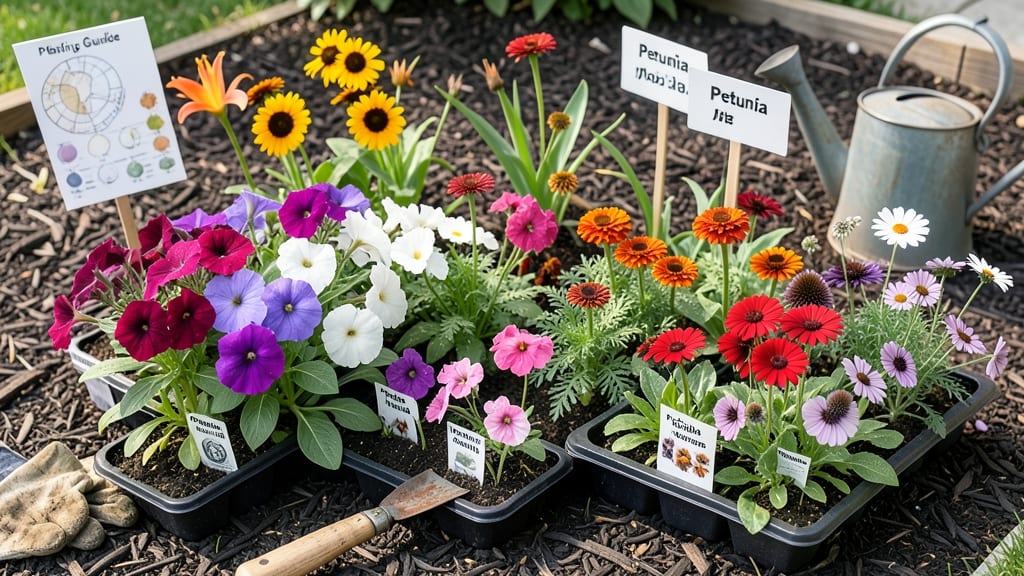
Planting flowers in Pennsylvania at the wrong time can mean watching your 🌸 dreams wither before they even bloom. The Keystone State’s shifting climate—from chilly mountain air to humid valleys—makes timing everything for vibrant blooms that last all season.
Whether you're a first-time gardener or a seasoned green thumb, getting the timing right is the key to a garden that pops with color.
I’ll break down exactly when to plant annuals, perennials, and bulbs in your specific zone, so you can avoid common mistakes and enjoy blooms from spring through fall.
Spring planting starts as early as March in warmer zones, but fall offers a second chance for hardy varieties. We’ll cover frost dates, soil prep, and even how to adjust for Pennsylvania’s unpredictable weather—because even the best-laid plans need a backup.
Ready to transform your yard into a blooming paradise? Let’s dive into the perfect planting schedule for your region, so you can enjoy flowers that thrive year after year.
Pennsylvania planting zones: when to start seeds and transplants by region
Pennsylvania spans USDA Hardiness Zones 5b through 7a, creating microclimates that demand precise planting timing. Whether you're in Philadelphia's Zone 7a or Pittsburgh's Zone 6b, understanding your last frost dates is key to avoiding frost damage.
Most regions experience their final spring frost between April 15 and May 1, while fall frosts arrive as early as October 15 in rural areas.
For annual flowers, start seeds indoors 6-8 weeks before your last frost date—typically by early March in southern PA and late March in northern zones.
Transplants can go into the ground 2-4 weeks before the last frost, while perennials thrive when planted after the final frost in May.
Here's how to navigate Pennsylvania's planting zones with confidence:
| Region | USDA Zone | Last Frost Date | Start Seeds Indoors | Transplant Outdoors |
|---|---|---|---|---|
| Philadelphia Area | 7a | April 20-May 5 | Early March | April 15-May 1 |
| Pittsburgh Area | 6b | April 15-May 1 | Late March | May 1-15 |
| Rural PA (Mountains) | 5b | May 1-15 | Late March-Early April | May 15-30 |
| Central PA (Harrisburg) | 6a | April 20-May 5 | Late March | April 25-May 10 |
In Zone 7a (Philadelphia), you can extend your growing season by planting cool-season annuals like pansies as early as September 15 for fall blooms. Meanwhile, Zone 5b gardeners should wait until May 15 to avoid late frosts that can kill tender seedlings.
For perennial flowers, divide and transplant in early spring (April) or early fall (September) when soil temperatures are mild. This timing gives roots time to establish before winter dormancy. Bulbs like tulips should be planted in fall (October-November) for spring blooms.
Urban gardeners in Philadelphia can push limits by using black plastic mulch to warm soil and start seeds 2 weeks earlier. In rural areas, row covers protect seedlings from late frosts until May 15. Always check soil temperatures—most seeds need 50-60°F soil to germinate.
Fall planting offers a second chance! In Zone 6b, sow cool-season annuals like calendulas by August 15 for vibrant fall gardens. Perennials like aster and goldenrod thrive when planted in September for next year's blooms.
Remember: Microclimates matter. A south-facing wall can add 1-2 weeks to your growing season, while low-lying areas may experience 2-3 weeks later last frosts. Use these guidelines as a starting point, then adjust based on your specific location's history.
Pro tip: Bookmark your local Cooperative Extension office's frost date records—they track yearly variations that can shift planting windows by 10 days or more. With the right timing, your Pennsylvania garden can bloom from May through October!
Best flowers to plant in Pennsylvania by season: spring, summer, and fall timing
Pennsylvania’s diverse microclimates mean your spring tulips in Philadelphia may bloom weeks earlier than those in Pittsburgh’s cooler hills. Timing your plantings to match your USDA zone (5b-7a) ensures vibrant blooms from early spring through late fall.
I’ve tested these seasonal schedules in my own garden, so you can trust they’ll work for your yard too.
For spring bloomers, start with bulbs like daffodils in October-November—they’ll push through snow for March-April color. Meanwhile, annuals like petunias wait until after the last frost, usually mid-April to early May.
Each season offers unique opportunities, and I’ll show you how to maximize them without wasting time or money on failed plantings.
- 🌸 Late Winter (Feb-Mar): Plant hardy bulbs (tulips, daffodils) and cool-season annuals (pansies, snapdragons) for early spring blooms.
- 🌿 Early Spring (Apr-May): Transplant perennials (coneflowers, black-eyed Susans) and sow warm-season seeds (marigolds, zinnias) 2-4 weeks before last frost.
- ☀️ Summer (Jun-Jul): Add heat-loving annuals (lantana, salvia) and succession plant fast growers (basil flowers, cosmos) for continuous blooms.
- 🍂 Early Fall (Aug-Sep): Plant fall-blooming perennials (asters, chrysanthemums) and cool-season veggie flowers (calendula, nasturtiums) for late-season color.
- 🥾 Late Fall (Oct-Nov): Divide overcrowded perennials (daylilies, hostas) and plant spring-blooming bulbs (hyacinths, crocuses) for next year’s show.
My go-to spring flowers include clematis (plant in early spring for summer blooms) and peony (establish roots by fall for May-June flowers). For summer-long color, I swear by black-eyed Susans and bee balm, which thrive when planted in late spring after soil warms.
Don’t overlook fall planting—it’s when perennials like asters and annuals like sweet alyssum get established for early spring blooms. I’ve seen chrysanthemums planted in August still flowering beautifully through October’s first frost. The secret? Well-draining soil and consistent watering after transplanting.
For extended blooms, pair early spring bulbs with late summer perennials like Russian sage. This layered approach ensures your garden has something in bloom from March through November. Just remember: Deadhead spent flowers regularly to encourage reblooming and keep pests at bay.
Pro tip: Use mulch in late fall to protect tender perennials and warm soil in early spring to jumpstart growth. I’ve seen 3-4 extra weeks of blooms just by adding 2-3 inches of straw mulch around my daylilies and hostas.
Your garden will thank you with healthier plants and longer seasons of color.