
Flowers
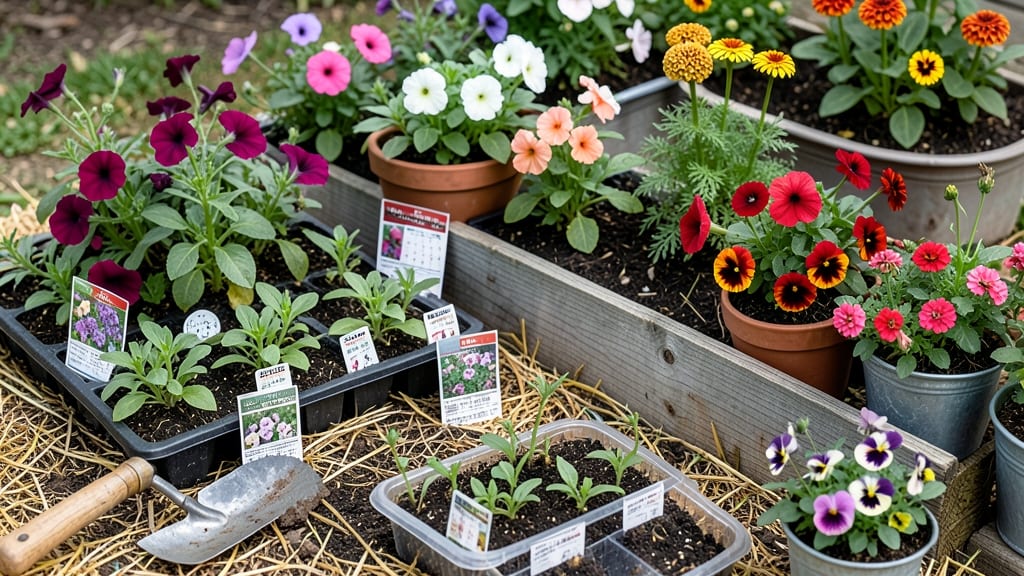
Timing when to plant flowers in Vermont isn’t just about following a calendar—it's about outsmarting frost and short seasons to get those 🌸 blooms thriving.
With last frosts creeping as late as May 15 in some zones and first frosts arriving by October 15, even experienced gardeners get it wrong.
But here's the game-changer: planting 14 days after your local frost date (or using cold-hardy varieties) can mean the difference between a garden full of life and one full of sad, frozen buds.
Let me show you exactly when to plant—whether you're working with Zone 5a valleys or Zone 6b slopes—and which flowers will give you the longest, most vibrant displays.
We'll cover everything from spring annuals that tolerate light frosts to fall bulbs that naturalize beautifully before winter. No more guessing games—just science-backed timing for your Vermont garden.
Why does this matter? Because 30 days of perfect planting can turn a 150-day growing season into one where your garden looks like a postcard all summer long.
You'll learn which varieties to start indoors, when to harden off seedlings, and how to stretch your blooms into October with simple tricks. Ready to make next year your best garden yet?
I'll walk you through the exact weeks to plant everything from pansies to delphiniums, plus how to adjust for Vermont's notorious microclimates. Whether you're a first-time gardener or a seasoned pro, these tips will help you beat the frost and enjoy nonstop color—without the stress.
Let's get those 🌸 flowers growing!
Vermont frost dates by Zone: when to plant flowers for maximum blooms
Vermont’s USDA Zones 3-5 create a unique gardening challenge with late spring frosts and early fall chills. Knowing your exact last frost date is the key to planting flowers that thrive—not just survive.
In my experience, even a week’s difference can mean the difference between a lush garden and a sad, frost-nipped disappointment.
Most of Vermont falls within Zone 4, but elevations and microclimates vary dramatically. For example, Burlington (Zone 5) enjoys earlier springs than Stowe (Zone 3), where frost can linger until May 15.
Understanding these variations helps you choose the right annuals, perennials, and bulbs for your specific location.
Here’s the critical timeline you need: Spring planting typically begins after April 15 in most areas, but fall planting should wrap up by September 15 to establish roots before winter.
However, these dates are just starting points—your local microclimate (valleys, slopes, or urban heat islands) can shift your planting window by weeks.
🌱
| USDA Zone | Avg. Last Frost | Avg. First Frost | Best Planting Window | Cold-Hardy Flowers |
|---|---|---|---|---|
| Zone 3 (e.g., Stowe, Jay Peak) | May 10–15 | September 20–25 | May 20–June 10 (spring) August 1–15 (fall) |
Pansies, Sweet Alyssum, Lupines, Coneflowers |
| Zone 4 (e.g., Montpelier, Burlington) | April 25–May 5 | October 5–10 | May 1–15 (spring) August 15–30 (fall) |
Peonies, Black-Eyed Susans, Marigolds, Zinnias |
| Zone 5 (e.g., Bennington, Rutland) | April 15–20 | October 15–20 | April 25–May 10 (spring) September 1–15 (fall) |
Daylilies, Bee Balm, Dahlias, Snapdragons |
*Dates vary by elevation and microclimate. Always check local records!
For annual flowers, like zinnias or marigolds, wait until after your last frost date to plant seeds directly in the ground. These heat-loving plants can’t tolerate even light frosts.
In contrast, perennials like peonies or coneflowers can handle cooler soils and often bloom better when planted in early spring.
Bulbs are a special case. Tulips and daffodils should be planted in fall (September–October) to establish roots before winter. But spring-blooming bulbs like alliums can wait until April in warmer zones like Zone 5. Always check the soil temperature—50°F (10°C) is the magic number for most flowers.
Microclimates add another layer of complexity. Valleys often frost later than mountainsides, while urban areas can be 5–10°F warmer due to heat absorption. If you’re unsure, use row covers or wait an extra week to plant.
Better safe than sorry when it comes to frost-sensitive blooms like petunias or geraniums.
Pro tip: Track your local frost dates for 3–5 years to spot patterns. My garden in Zone 4 once had a late frost in June, wiping out my cosmos—a lesson in flexibility! Adjust your planting schedule based on historical data and current weather forecasts.
🌷
Don’t forget about fall planting. Many cool-season annuals, like pansies and snapdragons, thrive when sown in August. These plants grow slowly in cool weather, avoiding the heat stress of summer planting.
For perennials, fall planting gives roots time to establish before winter dormancy, leading to earlier and more robust blooms the next season.
Finally, if you’re in a transition zone (like parts of Chittenden County), consider succession planting. Start with cold-hardy varieties in early spring, then add heat-tolerant annuals like sunflowers or cosmos once the worst frosts have passed. This ensures continuous color from May through October.
How to adjust planting times for Vermont’s unpredictable weather patterns
Vermont’s unpredictable frost dates can leave even the most eager gardeners scrambling—but with the right adjustments, you can extend your blooming season by weeks. The key lies in strategic timing, season-extending tools, and choosing varieties that match your microclimate.
Whether you're in a Zone 5a valley or a Zone 6b hillside, these proven tactics will help you beat frost and enjoy nonstop color.
Start by planting cold-hardy annuals like pansies and sweet peas 2-3 weeks before your average last frost date. These frost-tolerant flowers can handle light freezes (28°F) and often bloom earlier than heat-lovers like marigolds or zinnias.
For perennials, consider early-blooming varieties such as columbines or lungwort, which establish roots quickly and push through spring soil that’s still chilly.
- Use row covers to plant 2 weeks earlier for heat-loving annuals like petunias or geraniums. Remove covers when flowers set buds to prevent overheating.
- Succession plant every 2-3 weeks from May to July to ensure continuous blooms. Try cosmos or sunflowers for late-season color.
- Choose heat-tolerant varieties like black-eyed Susans or coneflowers to extend fall blooms past the first frost.
- Plant bulbs in fall (August-September) for early spring blooms—daffodils and tulips often push through snow.
- Adjust for microclimates: Plant 10 days later in cold valleys vs. hillsides, where warmth arrives earlier.
For late-summer planting, focus on fast-growing annuals that thrive in cooler temps, such as nasturtiums or calendulas. These varieties can be sown as early as mid-July and often bloom by September, giving you color when many gardens are winding down.
Pair them with perennial seedlings like asters or goldenrod for a low-maintenance fall display.
Don’t overlook the power of season extenders. A simple frost cloth can push back the first frost by 2-3 weeks, while cold frames or mini greenhouses let you grow tender perennials like canterbury bells or foxgloves through early fall.
Even a black plastic mulch can warm soil by 5-10°F, helping seedlings establish faster in cool springs.
When assessing early vs. late planting risks, consider historical data: Zone 5a gardens have a 30% chance of frost after May 15, while Zone 6b areas may see 10% risk after May 25.
Use this as a guiding rule: If your area has a 50% frost risk after your target planting date, opt for cold-hardy varieties or delay by 1-2 weeks.
With these strategies, you’ll turn Vermont’s short growing season into a long, vibrant spectacle. Start with one or two adjustments this year—like adding row covers or trying a succession planting schedule—and watch your garden outperform expectations every season. Happy planting! 🌷