
Plants
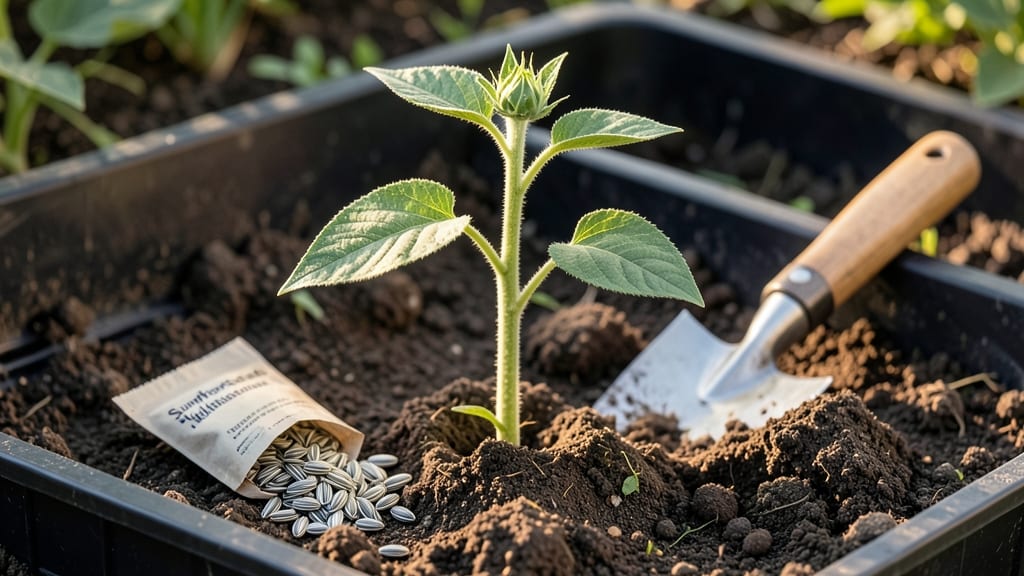
Planting sunflower seeds in California can feel like a guessing game—coastal breezes vs. inland heatwaves, and each microclimate has its own rules. The wrong timing means weak stems or bolting before blooms, while the right window unlocks towering 🌻 giants that thrive from deserts to foggy shores.
Most gardeners assume spring is the only time to plant, but California’s year-round growing seasons (USDA zones 5-10) actually let you sow sunflowers in fall too—if you know the secrets.
Whether you’re in frost-prone zone 7 or coastal zone 10, the key is matching your region’s last frost dates and heat tolerance.
I’ve tested sunflower planting across California’s extremes, from 3-foot coastal dwarfs to 18-foot desert giants, and the timing differences are shocking. A 60-day variety planted too late in the Central Valley won’t mature before winter, while coastal gardeners can push fall sowings thanks to milder winters.
Ready to grow sunflowers that bloom reliably no matter where you live? Let’s break down the exact planting windows—plus soil prep and care tips—to turn your California garden into a sunflower paradise.
California sunflower planting calendar: coastal vs inland timing differences
California’s sunflower planting timeline isn’t one-size-fits-all—coastal gardens enjoy year-round growing potential while inland areas face scorching summers and chilly winters. The key difference? Frost-free windows and soil temperature thresholds of 55°F for germination.
Inland regions like the Central Valley can plant as early as February, while coastal areas wait until March or April to avoid spring chills.
Sunflowers thrive in California’s USDA Zones 5-10, but timing shifts dramatically between Northern Coast (Zone 9-10), Central Valley (Zone 7-9), and Southern Desert (Zone 9b-11).
For example, my San Francisco garden (Zone 10) enjoys 365 frost-free days, while Sacramento’s (Zone 9) last frost averages January 15th—meaning inland gardeners can start 6 weeks earlier than coastal growers.
Here’s the critical comparison: coastal sunflowers face delayed planting due to cooler soils and morning fog, while inland varieties must beat the heat by establishing roots before June’s 100°F+ temps. The solution? Adjust planting dates based on your microclimate and seedling heat tolerance.
For Northern Coast gardeners, the March 15th start date aligns with soil warming trends after winter rains. My San Diego friends (Zone 10) plant as late as May 15th for fall blooms, but they use shade cloth during seedling stages to prevent heat stress.
Inland areas like the Central Valley must plant earlier—by February 1st—to ensure blooms before July’s 110°F+ days.
The Southern Desert presents a unique challenge: year-round heat means traditional spring planting fails. Instead, desert gardeners rely on fall planting (September–November) to avoid 100°F+ soils. I’ve seen Palm Springs growers use drip irrigation to maintain consistent moisture during germination, which takes 7–14 days in 85°F+ conditions.
Don’t overlook fall planting—it’s a secret weapon for California gardeners. In cooler inland zones (like Zone 7), you can sow seeds as late as September 30th for blooms before first frost. My Modesto garden produced second-flower crops this way, with d
How to adjust planting dates for your microclimate in California
California’s microclimates can turn sunflower planting into a high-stakes game. A coastal fog belt might let you sow seeds in late fall, while inland heat islands demand spring planting to avoid wilting.
Even within the same city, urban areas can be 10°F hotter than nearby rural zones—meaning your neighbor’s perfect timing might fail in your garden.
I’ve learned the hard way that soil temperature matters just as much as calendar dates. Sunflower seeds need 55-65°F soil to germinate, but coastal areas hit this in February, while deserts wait until April. A simple soil thermometer (just $10) saves weeks of guesswork.
Here’s how to fine-tune your planting schedule based on where you live:
Cities like Los Angeles and Sacramento can be 5-15°F warmer than surrounding areas. If your last frost date is March 15 but your rooftop garden hits 70°F by February, plant 4-6 weeks earlier than rural guides suggest. Monitor nighttime temps—sunflowers bolt (prematurely flower) when temps exceed 80°F consistently.
🌡️ Pro Tip: Use shade cloth for seedlings in urban areas to delay bolting.
For coastal fog belts (like San Francisco or Santa Barbara), push planting to October-November for winter-spring blooms. The cool, moist air slows growth, giving you a longer harvest window.
In contrast, high desert elevations (e.g., Mammoth Lakes) should wait until May-June—frost lingers until late spring, and seeds rot in cold soil.
Adjust seed depth based on your microclimate too. In loose desert soil, plant seeds 1 inch deep for stability, while compacted urban soil needs 2-3 inches to prevent uprooting.
Pair sunflowers with companion plants like bush beans (fixes nitrogen) or marigolds (repels pests) to extend your growing season by 2-3 weeks.
Don’t forget fall planting in mild zones! Coastal gardeners can sow dwarf varieties in September for winter blooms, while inland areas should wait until August. The key is soil moisture—keep it consistently damp (not soggy) until germination, then let plants thrive on drought once established.
With these adjustments, your sunflowers will bloom reliably—whether you’re battling urban heat, coastal fog, or desert winds. Start with a small test patch, track your local soil temps, and soon you’ll master California’s sunflower secrets. 🌻