
Plants
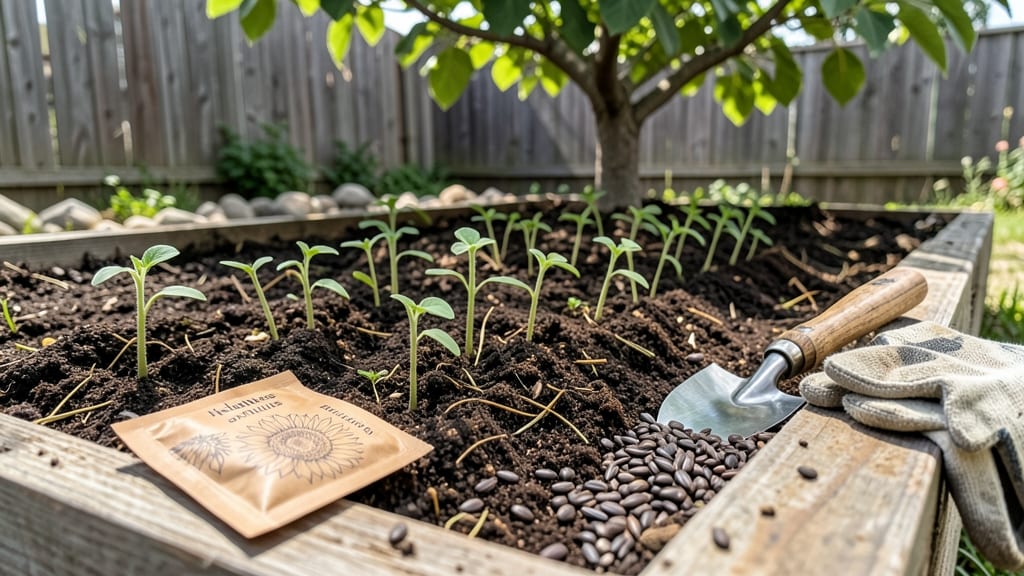
Planting sunflower seeds at the wrong time in Kansas can leave you staring at sad, stunted 🌻 sprouts instead of towering summer blooms. The key to success lies in understanding your USDA Zone 6 climate—where warm soil and frost-free days create the perfect window for these fast growers.
I’ve learned the hard way that rushing sunflowers into cold ground or waiting too late means missing out on their 12-foot potential. Whether you’re a first-time gardener or a seasoned pro, timing matters more than you think. Let’s break down exactly when to plant for the strongest starts.
Most Kansas gardeners get it right by planting in late April or early May, but there’s flexibility depending on your microclimate. We’ll cover how to adjust for early springs, late frosts, and even fall planting—because sunflowers are tougher than they look.
Ready to grow sunflowers that reach their full height? I’ll show you how to read your soil, track local frost dates, and avoid common mistakes that kill sunflower dreams before they begin.
Best planting months for sunflowers in Kansas (zone 6 guide)
Sunflowers love Kansas’ sunny skies, but they’re picky about timing. In USDA Zone 6, planting too early risks frost damage, while waiting too late cuts your blooming season short.
The sweet spot? When soil temperatures hit 55°F or warmer—typically late April to early May for most of the state.
I’ve found that sunflowers thrive when planted after the last frost date, which in Kansas usually falls between April 15 and May 1. However, this varies by region—western Kansas warms faster than eastern areas. Always check your local frost-free date before breaking out the seeds.
For a summary-table of ideal planting windows, soil conditions, and key dates, see below:
If you’re planting in western Kansas, you can start as early as mid-April—the drier climate warms faster. But in eastern Kansas, wait until late April to avoid frost surprises. I always test soil temperature with a soil thermometer to confirm readiness.
Sunflowers also handle fall planting in Kansas if you sow seeds by early June. This method produces late-season blooms that attract pollinators before winter. Just ensure seeds get planted 60-70 days before your first frost—typically by September 15.
For direct sowing (the easiest method), scatter seeds 1 inch deep and 12-24 inches apart. Thin seedlings to 18-24 inches when they’re 4-6 inches tall. I’ve seen giant 12-foot sunflowers from just a few well-timed seeds!
One mistake I’ve seen is planting sunflowers too close together, which causes competition for nutrients. Space them properly to avoid stunted growth. Also, avoid planting in low-lying areas where cold air pools—sunflowers hate soggy soil.
Pro tip: Use black plastic mulch to warm the soil faster in early spring. This can shave 2-3 weeks off your planting timeline. Just remove it once seeds sprout to prevent overheating.
Finally, remember that sunflowers are fast growers—they can shoot up 2-3 inches per day in ideal conditions. That’s why timing matters: you want them established before summer’s heat peaks.
How to adjust planting time for Kansas’ microclimates
Kansas’ varied climate means your sunflower planting schedule should change depending on whether you’re in the dry western plains or the humid eastern regions. These differences affect soil warmth, frost risk, and even drought tolerance.
I’ve learned that western Kansas gardeners can plant 2-3 weeks earlier than their eastern counterparts without frost worries.
The key difference lies in soil moisture and heat retention. Western Kansas’ sandy soils warm quickly but dry fast, while eastern clay holds moisture longer but stays cooler. For both regions, I recommend tracking local microclimates—like urban heat islands or sheltered garden spots—to fine-tune your timing.
- Western Kansas: Plant mid-April when soil hits 55°F. Drought-resistant varieties like 'ProCut' thrive here with minimal watering.
- Eastern Kansas: Wait until late April after last frost. Use black plastic mulch to warm soil faster in cooler microclimates.
- Heat tolerance tip: In western areas, plant tall varieties (like 'Russian Giant') in May to avoid wilting during 90°F+ heatwaves.
- Late bloomers: For eastern gardens, try fall planting by June 15 to extend blooming into October before first frost.
- Urban adjustments: City gardens stay 5-10°F warmer—plant 1 week earlier than rural areas to match soil conditions.
For drought-prone western gardens, I recommend choosing drought-tolerant varieties like 'Moulin Rouge' and planting near windbreaks to reduce moisture loss. These sunflowers can survive with half the water of standard varieties while still reaching 8-foot heights.
In eastern Kansas, focus on soil drainage—sunflowers hate soggy roots. Amend heavy clay with compost or sand to prevent rot. I’ve also found that raised beds warm up faster in these regions, giving you a 2-week head start on planting.
To extend your blooming season, try successive planting: start with dwarf varieties in May, then add tall types in June. This creates a continuous display from summer through fall. Just remember—sunflowers need full sun, so avoid planting near tall structures that cast shade.
Finally, watch for local weather patterns. If your area had an early spring, you might push planting to early April. But if frost lingers, wait until May 1—better late than sorry for these fast growers.
With these adjustments, you’ll get healthier, taller sunflowers that match your Kansas microclimate. 🌻