
Plants
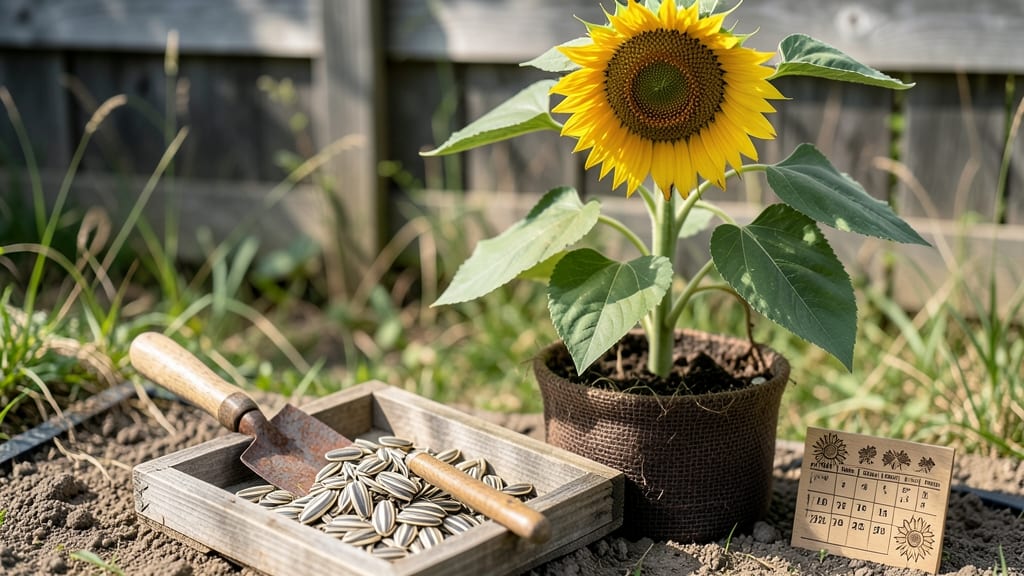
Planting sunflower seeds in North Carolina at the wrong time can mean watching your 🌻 dreams wither before they even bloom—especially when late frosts linger in zones like 6b or 8a. The key to success isn’t just soil prep or spacing; it’s knowing exactly when to start seeds so they outpace frost and reach their full towering potential.
Most gardeners in NC assume "spring" is the only window, but the truth is more nuanced. Whether you’re in the Piedmont’s cooler valleys or the coastal plains’ milder climate, timing varies by 30 days or more.
I’ll break down the zone-specific deadlines that separate thriving sunflowers from sad, stunted stalks—and how to stretch your growing season for a second harvest.
You’ll discover why March 15 isn’t a magic date for everyone (spoiler: it’s too early in zone 8a), and which sunflower varieties actually recover from unexpected frosts.
From fast-maturing dwarfs to giant varieties that need every warm day, we’ll cover it all so your sunflowers stand tall and proud—no matter what Mother Nature throws their way.
Ready to turn your garden into a sunflower paradise? Let’s dive into the planting calendar that’ll have your seeds sprouting with confidence—and your neighbors asking for tips. The best time to plant isn’t just a date; it’s a strategy.
North Carolina sunflower planting zones: frost dates by region
North Carolina’s diverse climate zones—ranging from USDA Zone 5b in the mountains to Zone 8a along the coast—create wildly different planting windows for sunflowers. Frost dates determine whether your seeds sprout into towering blooms or wither before reaching maturity.
In Zone 6b, for example, the last spring frost typically arrives around March 15, while Zone 8a gardeners can start as early as February 15. These differences mean your sunflower variety choice and planting timeline must align with your local microclimate.
Sunflowers are annual plants that thrive in warm weather, making them sensitive to late frosts.
Most varieties need 70–120 days to mature, so planting too early in cooler zones risks frost damage, while late plantings in hot zones may struggle to flower before winter. Perennial sunflowers (like Helianthus species) are rare but offer extended blooming seasons if you’re in Zone 7b or warmer.
For annuals, timing is critical—plant too soon, and frost zaps seedlings; too late, and summer’s heat stunts growth.
Here’s the key: Use your last frost date as a baseline, then adjust for your sunflower’s days to maturity. For instance, a 50-day variety in Zone 8a can start as early as May 15, while a 120-day giant in Zone 6b needs a June 1 launch to avoid frost. Below, we break down NC’s zones, frost risks, and ideal planting windows to help you avoid common pitfalls.
If you’re in Zone 5b or 6b, prioritize fast-maturing sunflowers like ‘Teddy Bear’ (56 days) or ‘Autumn Beauty’ (60 days) to avoid frost. These zones have the shortest frost-free windows, so plant after April 15 to ensure blooms before November 15.
In contrast, Zone 8a gardeners can experiment with late-season plantings (even in August) for fall blooms, though heat stress may reduce flower size.
Heat tolerance is another critical factor. Sunflowers wilt in 90°F+ temperatures, so shade cloth or drip irrigation can help in Zone 7b–8a. For Zone 7a and below, focus on morning watering to prevent fungal
Step-by-step sunflower planting timeline for NC gardens
North Carolina’s sunflower season isn’t a one-size-fits-all timeline—it’s a zone-specific puzzle where frost dates dictate success. Whether you’re in zone 6b’s cooler mountains or zone 8a’s coastal warmth, planting at the wrong time means watching your towering beauties bolt or freeze.
I’ve mapped out the exact month-by-month windows for both direct sowing and transplanting, plus soil prep secrets to give your sunflowers the best start.
Pro tip: Sunflowers are fast growers—some varieties reach 5 feet in 60 days—so timing isn’t just about avoiding frost. It’s also about spacing (12–24 inches apart for giants) and companion plants (like basil or marigolds) that boost yield.
Let’s break it down so your sunflowers stand tall, not flop.
Direct sow early varieties (e.g., 'Teddy Bear') after last frost (Feb 15–28). Soil temp must be 60°F+. Use row covers if frost threatens.
Best time for direct sowing (1–2" deep). Soil should be warm and well-drained. Add compost for nutrients. Space seeds 6" apart; thin to 12–24" later.
Transplant starts (if starting indoors). Direct sow tall varieties (e.g., 'Mammoth'). Use trellises for windy areas. Water deeply 2x/week.
Sow fast-maturing varieties (e.g., 'Autumn Beauty') for fall harvests. Avoid planting after Aug 15 in zone 6b—flowers may not mature before frost.
Try succession planting for a second harvest. Use black plastic mulch to warm soil. Harvest seeds before first frost (Oct 15).
Here’s the soil prep secret most NC gardeners miss: Sunflowers hate wet feet. Before planting, mix in 2–3 inches of compost and sand (if your soil is clay-heavy, like in the Piedmont).
A pH of 6.0–7.0 is ideal—test your soil in February to adjust with lime or sulfur if needed. Full sun (6+ hours daily) is non-negotiable, but afternoon shade helps in zone 8a’s brutal summer heat.
For companion planting, pair sunflowers with bush beans (they fix nitrogen) or marigolds (repel pests like aphids). Avoid planting near potatoes—they compete for the same nutrients. If you’re growing giant varieties, stake them early with 3-foot bamboo stakes to prevent toppling in NC’s summer storms.
Water at the base, not the leaves, to avoid powdery mildew.
Remember: Sunflowers are drought-tolerant once established, but seedlings need consistent moisture. If your June planting gets 3+ inches of rain, cut back on watering to prevent root rot.
And if a late frost hits in May (yes, it happens in zone 7a), cover plants with frost cloth—sunflowers can recover if the stem isn’t blackened.
Your harvest window starts in July for early plantings and stretches to October for late varieties. Cut heads when the back turns yellow and petals droop, then hang them upside down in a dry, dark place to cure seeds for next year’s garden.
With this timeline, you’ll go from tiny seeds to 12-foot giants—all while outsmarting NC’s unpredictable weather.