
Plants
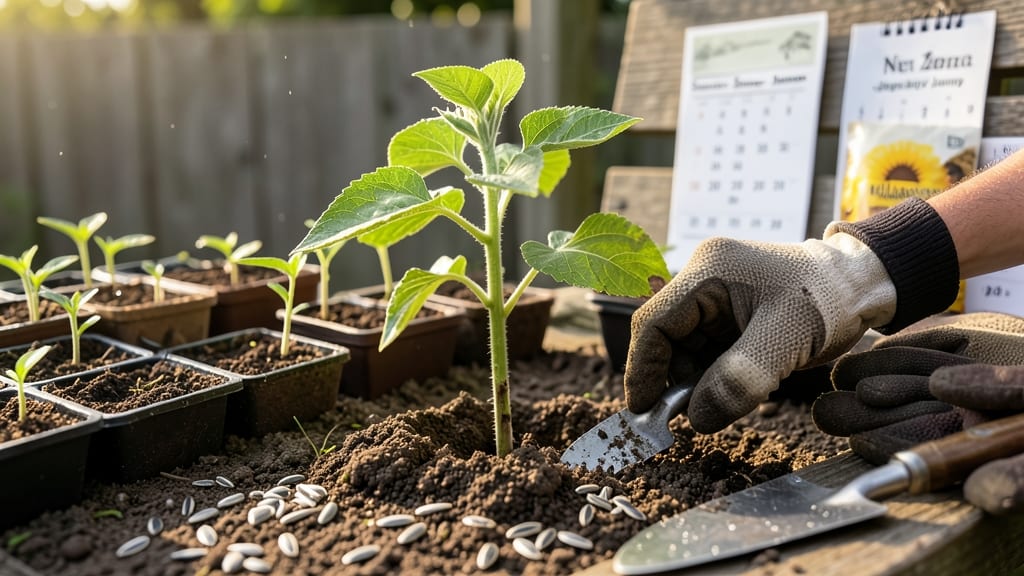
Planting sunflower seeds at the wrong time in New Zealand can mean the difference between a towering 🌻 and a sad, stunted plant. With frost dates varying wildly from Auckland to Canterbury, timing is everything—especially when you want those fast-growing blooms to reach their full potential before winter sets in.
Most gardeners in NZ’s warmer northern regions can start sowing as early as September, but cooler inland areas should wait until October or later to avoid frost damage.
The key is planting after your last frost date—whether that’s mid-September in Auckland or November in Canterbury—so seedlings get the head start they need.
What makes sunflowers so rewarding is their fast growth cycle—just 50-120 days to maturity, depending on the variety. But to maximize height and bloom speed, you’ll need to adjust your planting window based on your microclimate and whether you’re growing giant varieties or quick-blooming types.
I’ll break down the best months for each NZ region, soil prep tips, and how to avoid common mistakes that stunt growth. Let’s get those sunflowers thriving!
NZ sunflower planting calendar: month-by-month guide for each region
New Zealand’s diverse climate means sunflower planting times vary dramatically between regions. In the North Island, warmer temperatures allow earlier sowing, while the South Island often waits until spring to avoid frost damage.
The key is aligning your planting with soil temperatures above 10°C (50°F) and frost-free forecasts—both critical for germination and growth.
For tallest blooms, aim for early planting (September-October) in frost-free zones, while fast-blooming varieties can tolerate later starts (November-December). Coastal areas like Auckland benefit from extended growing seasons, while inland regions (e.g., Canterbury) face stricter frost windows.
Always check your local last frost date—Auckland’s is typically mid-September, Wellington’s mid-October, and Christchurch’s mid-November.
Soil temperature is your best guide: use a soil thermometer to confirm 10-15°C (50-60°F) before planting. In cooler regions, consider seedling trays indoors 4-6 weeks before outdoor planting to jumpstart growth. This strategy works especially well for giant varieties like 'Russian Giant,' which need a longer growing season to reach their full 15-foot height.
| Region | Early Planting (Tallest Blooms) | Mid-Season Planting | Late Planting (Fast Blooms) | Key Considerations |
|---|---|---|---|---|
| North Island (Auckland, Waikato) | September 15 - October 15 | October 16 - November 30 | December 1 - January 15 | Frost-free by Sept 15; warm soils early |
| North Island (Wellington) | October 1 - November 15 | November 16 - December 31 | January 1 - February 15 | Cooler soils; use black plastic mulch |
| South Island (Canterbury) | November 1 - December 15 | December 16 - January 31 | February 1 - March 15 | Frost risk until Nov 15; protect seedlings |
| South Island (Dunedin) | November 15 - December 31 | January 1 - February 15 | February 16 - March 31 | Short growing season; prioritize dwarf varieties |
| All Regions (Container Growing) | September 1 - November 30 | December 1 - January 31 | February 1 - March 15 | Move pots indoors if frost threatens |
In coastal regions like Auckland and Nelson, you can push early planting to late August if soils are warm enough. Use a soil thermometer to confirm—seeds won’t germinate below 10°C (50°F).
For inland areas, wait until mid-November to avoid frost, especially for tall varieties that need 100+ days to mature.
For fastest blooms, prioritize short-season varieties like 'Teddy Bear' or 'Moulin Rouge,' which can be planted as late as February in frost-free zones. These varieties thrive with 6-8 hours of sun daily and well-draining soil, making them ideal for urban gardens or containers.
Always space them 12-18 inches apart to prevent competition.
If you’re growing giant sunflowers, start seeds indoors in August and transplant outdoors after the last frost. These varieties require 24-inch spacing and staking for wind protection, especially in exposed areas.
In Canterbury or Otago, aim for early November planting to ensure blooms before first frosts in April-May.
Don’t forget to mulch around seedlings to retain moisture and regulate soil temperature. A 2-inch layer of straw or wood chips works wonders in both hot summers and cool springs.
For urban gardeners, raised beds with black plastic mulch can extend the growing season by 2-3 weeks in cooler regions.
Monitor your sunflowers for pest pressure like aphids or bird damage, especially in late summer. Use row covers for
How to adjust planting time for giant sunflowers vs. fast-blooming varieties
Choosing between giant sunflowers like 'Russian Giant' and fast-blooming varieties like 'Teddy Bear' changes your entire planting strategy. Giant types need extra time to reach their towering heights, while quick-bloomers prioritize speed over size.
In New Zealand’s climate, this means adjusting your planting window by 4-6 weeks depending on your variety.
For tall varieties, aim to plant 8-10 weeks before your first frost—typically late September to early October in most NZ regions. This gives them enough time to mature before winter sets in.
Fast-blooming types, however, can be sown 2-4 weeks later (around mid-October) for quicker color without sacrificing health.
Here’s the key difference: giant sunflowers need longer daylight exposure to develop strong stems, while fast varieties thrive with shorter growing seasons. In cooler regions like Canterbury, this means starting giants earlier and finishing fast types by late February to avoid summer heat stress.
Giant Sunflowers (e.g., 'Russian Giant')
Pros
- Towering 10-15 ft stems
- Dramatic late-summer blooms
- Longer pollinator season
Cons
- Requires longer growing season
- Needs sturdy support in windy areas
- Slower to initial bloom
Fast-Blooming Varieties (e.g., 'Teddy Bear')
Pros
- Blooms in 50-60 days
- Compact 2-4 ft height
- Earlier seasonal color
Cons
- Smaller flower size
- Less structural impact
- Shorter pollinator window
Soil prep is critical for both types. Giant sunflowers need deep, nutrient-rich soil (mix in compost to a depth of 12 inches) to support their massive roots. Fast varieties, however, thrive in well-draining soil with moderate fertility—over-fertilizing can lead to leggy growth.
Test your soil’s pH (ideal: 6.0-7.0) and amend with lime if needed.
Spacing matters too. Giant varieties need 18-24 inches apart to avoid crowding, while fast types can be planted 6-12 inches apart for dense displays. In windy NZ regions, stake giants early to prevent toppling.
For fast bloomers, mulch around the base to retain moisture and suppress weeds—critical during their rapid growth phase.
After planting, monitor for pests like aphids (common on fast varieties) and stem borers (a risk for giants). Water deeply in the morning to prevent fungal issues, and avoid overhead watering as blooms near maturity.
With the right timing and care, you’ll get either skyscraping sunflowers or quick bursts of color—both perfect for NZ gardens! 🌻