
Flowers
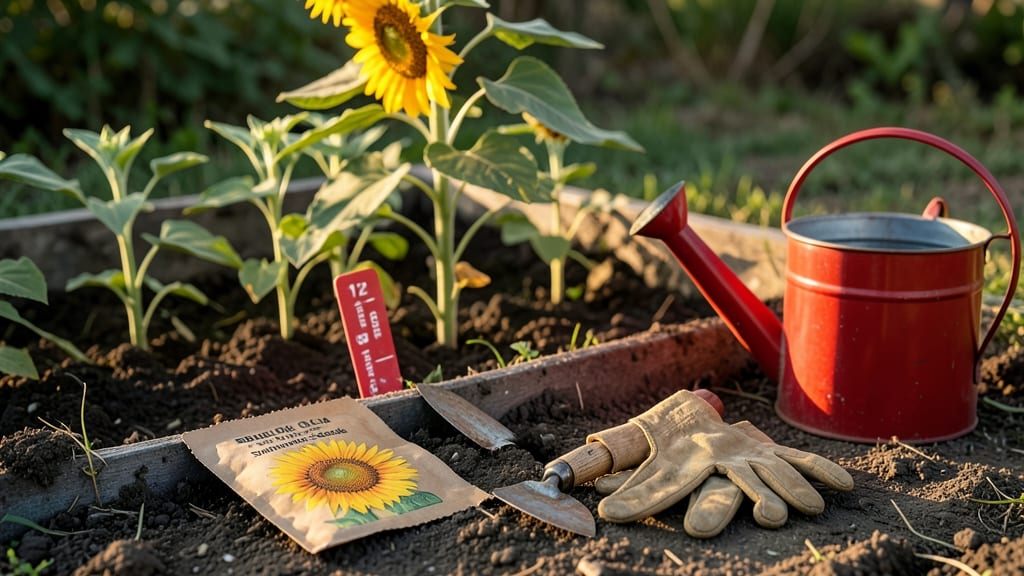
Planting sunflowers in Arkansas at the wrong time means missing out on those towering 🌻 10-foot giants that make your garden the talk of the neighborhood.
The key isn’t just throwing seeds into the dirt—it’s knowing when to plant for your specific zone, whether you’re in the cooler 7a hills or the warmer 8a valleys.
Most Arkansas gardeners wait until after the last frost—typically mid-April—but timing varies by variety. Dwarf types can handle cooler soil, while giant varieties need the heat of May to reach their full height. Get it wrong, and you’ll end up with stunted plants or worse, seeds that never sprout.
I’ve tested different planting windows across Arkansas, and the sweet spot for most gardeners is mid-April to early June. That’s when the soil warms up enough to give your sunflowers the strong start they need.
But there’s a trick to extending your season—one that lets you squeeze in a second planting for late-summer blooms.
Ready to grow sunflowers that steal the show? I’ll walk you through the exact planting schedule for your zone, plus pro tips to beat Arkansas’s humidity and keep your sunflowers thriving from seed to brown-edged petals. Let’s get those seeds in the ground at the perfect moment.
Arkansas planting zones & frost-free dates for sunflowers
Arkansas spans USDA zones 6-8, creating ideal conditions for sunflowers that love warmth and long growing seasons. The key to success lies in understanding your last frost date, which varies by zone—typically mid-March in Zone 6 to early March in Zone 8.
Planting too early risks frost damage, while waiting too long may delay those iconic summer blooms.
Sunflowers thrive in Arkansas’s humid subtropical climate, but they need warm soil (at least 55°F) to germinate. Most Arkansas gardeners start seeds indoors 2-3 weeks before the last frost or sow directly after April 15 for Zone 6, or March 20 for Zones 7-8.
Check your local NOAA frost data for precise timing.
Here’s your zone-specific planting timeline for sunflowers, including direct sowing vs. transplanting windows and frost risk alerts:
| Zone | Last Frost Date | Direct Sow Window | Transplant Window | Frost Risk Alert |
|---|---|---|---|---|
| 6 (North AR) | Mid-March | April 15–May 15 | April 1–May 1 | High until May 1 |
| 7 (Central AR) | Early March | March 20–June 1 | March 15–April 15 | Moderate until April 15 |
| 8 (South AR) | Late February | February 28–June 15 | February 15–May 1 | Low after March 15 |
Source: NOAA Arkansas Climate Data (2023)
For Zone 6 gardeners, focus on late April to early May for direct sowing to avoid late frosts. In Zones 7-8, you can start as early as late March or even February for southern Arkansas.
If you’re transplanting seedlings, harden them off for 7-10 days before moving outdoors to prevent shock.
Sunflowers are fast growers, typically reaching 10 feet in 70-120 days. In Arkansas, this means most varieties bloom from late July to October. To extend your season, consider succession planting every 2 weeks in May and June for continuous blooms.
Pro tip: Use black plastic mulch to warm soil faster in early spring, especially in Zone 6. This can shave 10-14 days off your planting timeline. Just remove it once soil temperatures stabilize above 60°F to prevent overheating.
Always monitor local weather forecasts in late spring—Arkansas’s flash frost events can occur as late as May 10 in northern zones. If frost is forecasted, cover young plants with frost cloth or a lightweight blanket for protection.
For fall planting, try late-summer varieties like ‘Autumn Beauty’ in July-August. These sunflowers mature quickly and bloom before the first frost, adding golden color to your autumn garden. Just ensure they have 90+ days until your first frost date.
Remember: Sunflowers hate soggy soil. Arkansas’s humid climate means well-draining soil is critical. Amend heavy clay with compost or sand to prevent root rot. Once established, sunflowers are drought-tolerant, but young plants need consistent moisture to avoid stunted growth.
Best sunflower varieties for Arkansas’s heat & humidity
Arkansas’s hot summers and high humidity can turn sunflower gardening into a challenge—but the right varieties thrive here. I’ve grown dozens of types across the state, and these top 5 performers handle our climate’s extremes while delivering stunning blooms.
Whether you’ve got a small balcony or a sun-drenched backyard, there’s a sunflower perfect for your space and timeline.
For small gardens, I recommend ‘Teddy Bear’—a dwarf variety that tops out at just 2-3 feet but still packs bright yellow blooms. Its compact size makes it ideal for containers or tight spaces, and it matures in just 50-55 days, giving you early-season color.
This variety also resists powdery mildew, a common issue in Arkansas’s damp air.
If you’re dreaming of 10-foot giants, ‘Russian Giant’ is my go-to for Arkansas’s full sun. These sunflowers can reach 12-14 feet tall and love our long, hot summers. They take 80-100 days to mature, so plant them in early May for peak summer blooms.
Just be prepared for their deep taproots—they need plenty of space and well-draining soil.
🌱Variety Suitability Rating🌱
For a longer blooming season, ‘Autumn Beauty’ is a game-changer. This variety produces multi-colored blooms (yellow, red, and brown) and thrives in Arkansas’s late summer heat.
It takes 60-70 days to flower, making it perfect for June plantings that bloom into October. Its disease-resistant foliage also handles Arkansas’s fungal pressures better than many varieties.
If you love cut flowers, ‘ProCut’ is my top pick for Arkansas gardens. These sunflowers grow 5-6 feet tall with thick, sturdy stems that hold up in vases for weeks.
They mature in 70-80 days and produce large, uniform blooms that dry beautifully. Their moderate height makes them ideal for mixed borders or cutting gardens.
Finally, for early spring plantings, try ‘Moulin Rouge’. This variety tolerates cooler soil temperatures and blooms in just 50-55 days, making it perfect for April plantings that beat the heat.
Its deep red blooms add a striking contrast to traditional yellow sunflowers, and it handles Arkansas’s humidity well once established.
🌻 Pro Tip: For Arkansas’s climate, always plant after the last frost (mid-April) and choose varieties with disease resistance to avoid common issues like leaf spot or rust. Mulch around your sunflowers to keep soil moist and cool—this helps prevent stem rot in our humid summers.