
Flowers
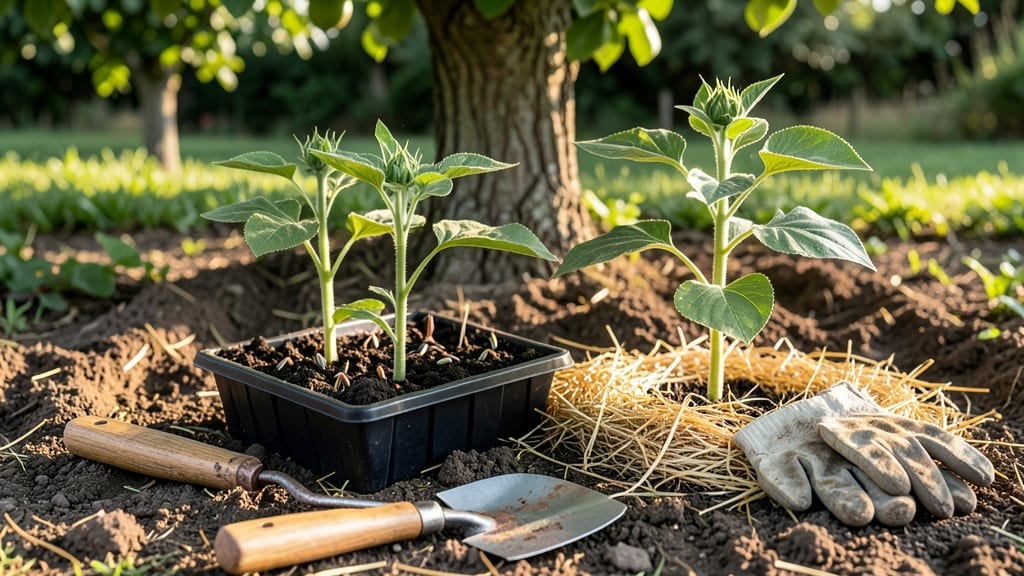
Planting sunflowers at the wrong time in Central Florida can mean the difference between towering, vibrant blooms and sad, wilted stalks before they even get started.
The key isn't just about avoiding frost—it's about timing your seeds with the heat-tolerant varieties that thrive in our 9b climate, where summer can turn scorching fast.
Most gardeners in Central Florida focus on spring planting, but there's a second, often overlooked window in late summer that can give you stunning fall blooms. I’ve tested both approaches, and the results—especially with varieties like 'Autumn Beauty'—are nothing short of impressive.
The trick is knowing exactly when to put those seeds in the ground to beat the heat and make the most of our short cool season.
If you’ve ever planted sunflowers here only to watch them struggle under the midday sun, you’re not alone. The good news?
With the right timing and a few simple tricks—like choosing drought-resistant types and prepping your soil just right—you can turn your garden into a sunflower paradise that lasts from spring through fall.
In this guide, I’ll break down the exact months to plant for maximum success, which varieties hold up best in our heat, and how to stretch your growing season so you’re harvesting those golden blooms well into December. Let’s get those seeds in the ground the right way.
Best months to plant sunflowers in Central Florida’s climate zones
Central Florida’s USDA Zone 9b climate offers two perfect windows for planting sunflowers—spring and fall—where temperature extremes and humidity can make all the difference.
Unlike northern states, we don’t have to worry about last frost dates (though rare December freezes can occur), but heat stress after 90°F is the real enemy for young seedlings. Timing matters because sunflowers need 60-90 days to mature, and planting too late in summer means wilting before blooming.
For spring planting, aim for February through April when soil temperatures hit 60°F+—this gives them time to establish roots before summer’s brutal heat. Fall planting, however, is often overlooked but ideal: September through early October lets them bloom before winter’s chill sets in.
The key is avoiding late summer’s oppressive heat, which can scorch seedlings before they sprout.
Orlando’s microclimate (hotter, more humid) has slightly different thresholds than Tampa’s coastal breezes or Ocala’s drier inland air. In Orlando, push spring planting to late February to avoid April’s sudden heat spikes, while Tampa’s cooler coastal air lets you plant up to mid-April. Ocala’s drier soil means earlier watering is critical—plant by early March to prevent drought stress.
Spring planting in Orlando requires extra vigilance after April 15—temperatures can jump from 75°F to 95°F in days, shocking young plants. I’ve seen seedlings wilt within 48 hours if not hardened off properly.
For fall planting, focus on September’s mild weather (avg. 80°F) before October’s cooler nights (65°F) slow growth. Tampa’s coastal breezes give you 2 extra weeks of spring planting, but watch for hurricane season disrupting soil prep.
Ocala’s drier climate demands pre-planting soil moisture—water deeply 3 days before sowing to prevent crusting. I’ve had zero germination in dry spells if I didn’t prep the soil this way. For all zones, direct sowing (not transplants) is critical—sunflowers hate root disturbance.
Plant seeds 1 inch deep, 6 inches apart for dwarfs or 2 feet apart for giants like Russian Mammoth.
Fall planting in Central Florida is my secret weapon for longer bloom seasons. While spring sunflowers may bolt in May’s heat, fall-planted varieties often re-bloom in November before winter. The trick?
Start seeds indoors in August (if using transplants) or direct-sow by September 1. Use black plastic mulch to warm soil and shade cloth if temps dip below 60°F at night.
Watch for sunflower beetles and aphids in spring’s warm weather—they’ll defoliate seedlings in days. I spray neem oil preventatively in March and September. For container growing, use 5-gallon pots with drainage holes and plant 2 weeks earlier than in-ground (containers heat up faster).
In Orlando’s concrete-heavy soil, mix in compost to improve drainage.
Pro tip: Succession plant every 2 weeks in spring for continuous blooms. I’ve had sunflowers flowering from May to July by staggering plantings. For fall, a second planting in late September can yield December blooms before frost. Just remember:
Heat-tolerant sunflower varieties that survive Central Florida’s summer heat
Central Florida’s summer heat can turn sunflowers into sad, wilted stalks if you’re not careful. The key to success? Choosing heat-tolerant varieties that thrive in our 9b climate and knowing when to plant them.
I’ve tested these varieties in my own garden, and they consistently deliver vibrant blooms even when temperatures hit 95°F+.
Most gardeners focus on spring planting, but the late summer window (August-September) is just as important for fall blooms. The right variety can mean the difference between a towering, golden display and a struggling plant that never reaches its potential.
Let’s dive into the top 5 sunflowers that own Central Florida’s heat.
First up is ‘Moulin Rouge’, a dwarf variety that tops my list for heat resistance. This sunflower reaches only 2-3 feet tall but packs a punch with deep red blooms that last all summer.
Its compact size makes it perfect for containers or small gardens, and it rarely wilts in Central Florida’s heat. Plant these 1-2 inches deep and space them 12 inches apart for best results.
For a showstopper, try ‘Autumn Beauty’, a multi-colored variety that blooms from summer through fall. Its petals transition from yellow to orange to red, creating a stunning display.
This variety thrives in 90°F+ temperatures and is drought-tolerant once established. Plant seeds 1 inch deep and space them 18 inches apart to give roots room to spread.
‘Russian Giant’ is the ultimate tall sunflower, reaching 10-14 feet in ideal conditions. While it needs extra water during germination, it becomes heat-hardy once mature. This variety is perfect for late summer planting (August-September) and will reward you with massive blooms before winter. Plant seeds 1-2 inches deep and space them 24 inches apart—they need room to grow!
If you want early blooms, ‘Teddy Bear’ is a dwarf variety that matures in just 50-60 days. Its double-layered petals resemble a teddy bear’s face, making it a kid-friendly favorite.
This variety handles heat well and is great for succession planting every 2-3 weeks for continuous blooms. Plant seeds 1 inch deep and space them 12 inches apart.
Lastly, ‘ProCut’ is a cut-flower favorite with long, sturdy stems that hold up in heat. Its golden-yellow blooms last 1-2 weeks in a vase, making it ideal for bouquets.
This variety is drought-resistant and thrives in full sun. Plant seeds 1-2 inches deep and space them 18 inches apart for strong stems.
No matter which variety you choose, consistent watering during germination is key. Once established, these sunflowers will thrive in Central Florida’s heat and bring joyful blooms from spring through fall. Happy planting! 🌻