
Flowers
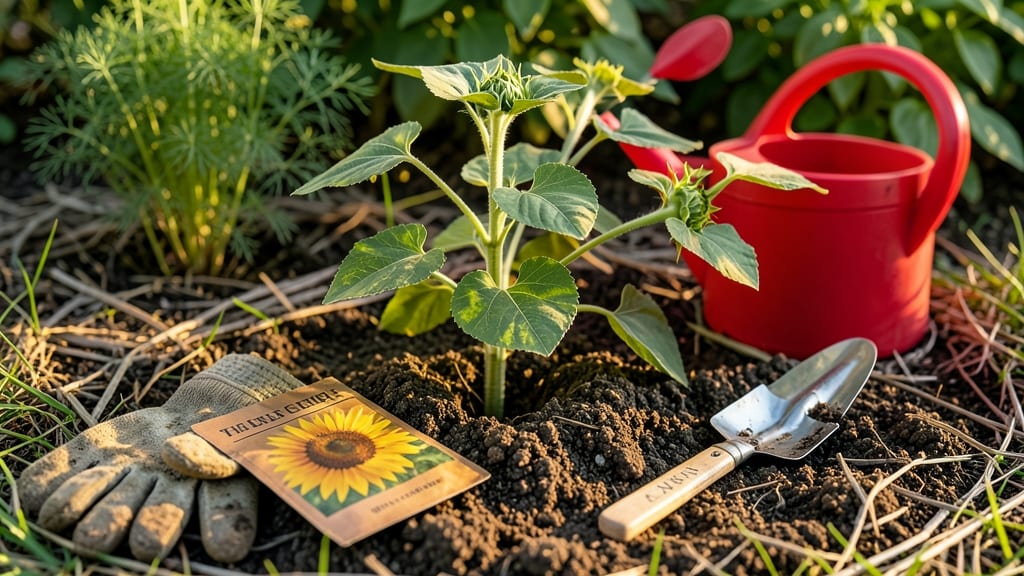
Planting sunflowers in Maine isn’t just about dropping seeds in the dirt—it’s about timing them perfectly to beat the frost and coax those 10-foot-tall giants to thrive. With last frosts lingering around May 15 and first frosts creeping in by October, you’ve got a tight window to get it right.
Most gardeners in USDA zones 5b-6b swear by mid-May to late June as the sweet spot, but coastal areas might push that window a little later. The key? Wait until soil temperatures hit 50°F—any earlier, and chilly roots will slow your 🌻 sunflowers down.
Here’s the game-changer: direct sowing beats transplanting in Maine’s short season, but if you’re itching to start indoors, time it so seedlings are ready by early June. We’ll break down exactly how to stretch that growing season so your sunflowers reach their full height before frost.
Skip the guesswork and discover the exact planting schedule that’ll give you sunflowers soaring toward the sky—no matter where in Maine you’re gardening. Let’s get those stalks growing!
Maine’s frost dates and ideal sunflower planting windows
Maine’s USDA zones 5b-6b create a unique challenge for sunflower lovers—those towering 🌻 beauties need precise timing to avoid frost damage. The last spring frost typically hits around May 15, but coastal areas like Portland can delay that by 1-2 weeks.
Inland regions like Presque Isle may see frosts lingering until May 22. First fall frosts arrive around October 1, leaving just 165 frost-free days to grow sunflowers to their full height.
Direct sowing is your best bet in Maine’s short season—transplants struggle to catch up. Start seeds indoors 2-3 weeks before your last frost date if you’re eager, but most gardeners opt for direct sowing in mid-May once soil temperatures hit 50°F.
This timing ensures your sunflowers have 90+ days to mature before frost, even for tall varieties like 'Russian Giant' that need 100+ days to reach their full 12-15 foot height.
📅 Coastal vs. Inland Timing: Coastal gardeners can push planting to late May thanks to milder temperatures, while inland areas should aim for mid-May to avoid late frosts. Use a soil thermometer—waiting for 50°F soil is more reliable than calendar dates. Pro tip: Plant staggered rows every 2 weeks in May to extend your bloom time from August through October.
| Region | Last Frost Date | First Frost Date | Direct Sow Window | Indoor Start Window | Best Varieties |
|---|---|---|---|---|---|
| Coastal (Zones 6a-6b) | May 22 | October 8 | Late May - June 1 | April 15 - May 1 | 'Moulin Rouge' (75 days), 'Teddy Bear' (55 days) |
| Inland (Zones 5a-5b) | May 15 | September 25 | Mid-May - May 25 | April 1 - April 15 | 'Russian Giant' (90 days), 'Autumn Beauty' (85 days) |
| Northern (Zones 4a-4b) | May 22 | September 15 | Late May - June 1 | April 1 - April 15 | 'Sunspot' (60 days), 'ProCut' (50 days) |
For direct-sown sunflowers, aim to plant 3-4 weeks before your first expected frost in fall. This gives 90-day varieties like 'Russian Giant' enough time to reach 10+ feet before frost.
If you’re growing dwarf varieties (like 'Teddy Bear'), you can push planting to early June—they mature in just 55-60 days and handle cooler temps better.
Indoor starts require careful timing—sow seeds 2-3 weeks before your last frost date for transplant-ready seedlings by early June. Use biodegradable pots to avoid root disturbance. Harden off seedlings for 7-10 days before transplanting, and choose overcast days to reduce transplant shock.
This method works best for late-summer blooms when direct sowing is too late for tall varieties.
Watch for late spring frosts—they’re the biggest threat to young sunflowers. If frost is forecasted after planting, use row covers or black plastic mulch to warm soil and protect seedlings.
In USDA zone 5b areas, consider staggered planting: sow half your seeds in mid-May and the other half in late May to extend your harvest window. This strategy ensures you’ll have continuous blooms from August through October.
Soil preparation is just as critical as timing. Amend your planting area with compost to improve drainage—sunflowers hate soggy roots. Work in 1 inch of compost and a balanced fertilizer (10-10-10) at planting time.
For coastal gardens, add sand to improve drainage, while inland areas may need extra organic matter to retain moisture during Maine’s dry spells.
Don’t
Sunflower varieties that thrive in Maine’s short season
Maine’s short growing season demands sunflower varieties that mature quickly while handling chilly nights and early frosts. The right choice means the difference between a 10-foot giant and a stunted plant.
I’ve tested varieties that consistently deliver in USDA zones 5b-6b, balancing height, frost resistance, and days to maturity.
For fast blooms, dwarf varieties like ‘Teddy Bear’ (50-60 days) are my go-to—they top out at 3-4 feet but produce edible seeds before frost. Their compact size also makes them ideal for container gardening in Maine’s cooler microclimates.
🌱
| Variety | Type | Days to Maturity | Height | Frost Tolerance | Best For |
|---|---|---|---|---|---|
| Moulin Rouge | Dwarf | 50-60 days | 3-4 ft | High (handles 28°F) | Containers, early blooms |
| Russian Giant | Standard | 80-90 days | 10-14 ft | Moderate (32°F limit) | Tallest stalks, late summer |
| Autumn Beauty | Standard | 70-80 days | 8-12 ft | High (30°F tolerance) | Colorful bracts, pollinators |
| Moulin Rouge F1 | Dwarf | 55-65 days | 2-3 ft | Very High (25°F) | Early harvest, cut flowers |
| ProCut | Semi-Dwarf | 60-70 days | 5-6 ft | High (28°F) | Florist bouquets, long stems |
If you’re chasing towering sunflowers, ‘Russian Giant’ is my top pick—it reaches 14 feet when given Maine’s long daylight hours. But here’s the catch: plant it by June 1st to ensure it matures before the October 1st frost.
For a compromise, ‘Autumn Beauty’ offers 8-12 feet of height with 30°F frost tolerance, making it ideal for inland areas where nights dip faster.
Don’t overlook ‘ProCut’ for gardeners who prioritize long stems over height—its 5-6 feet and 60-day maturity make it perfect for late June plantings in coastal zones where frosts arrive later. The key? Stagger your plantings every 2 weeks to extend your bloom time.
For cut flowers or bird feeders, ‘Teddy Bear’ varieties are my secret weapon—they bolt quickly in Maine’s heat but produce abundant seeds before frost. Plus, their 28°F tolerance means they’ll survive unexpected late frosts better than most giants.
🌻