
Flowers
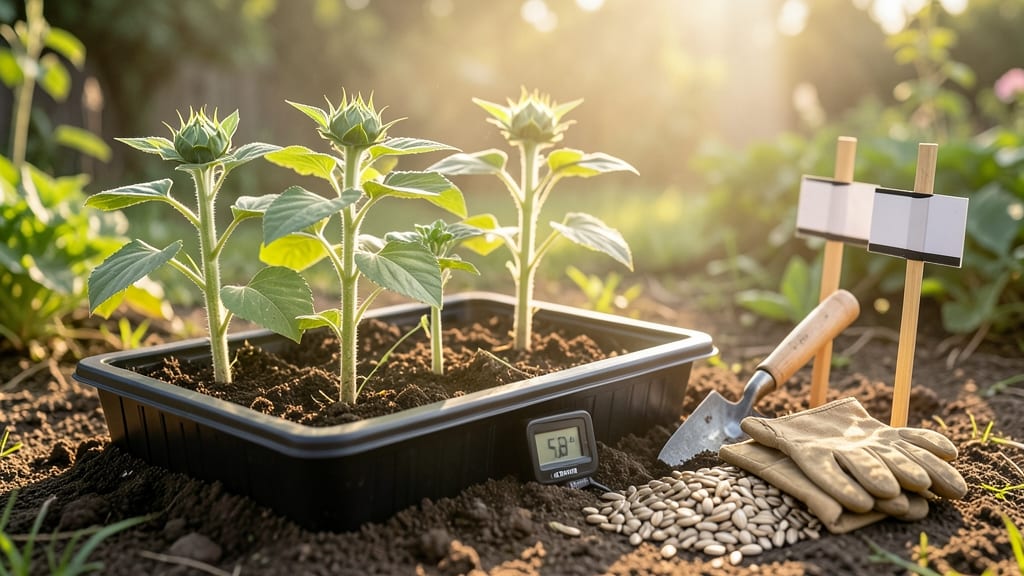
Planting sunflowers in Massachusetts at the right time means the difference between a garden full of towering 🌻 blooms and plants that struggle to survive. Unlike warmer climates, timing here is critical—get it wrong, and you risk late frosts nipping your seedlings before they even get started.
With USDA zones 5b-6b and frost dates that can vary wildly from year to year, knowing when to plant isn’t just helpful—it’s essential. Most gardeners in Massachusetts wait until mid-April to early July to sow seeds, but there’s more to it than just picking a date.
Soil temperature, microclimates, and even sunflower variety play a role in whether your plants will reach their full potential.
I’ve grown sunflowers here for years, and I’ll show you exactly how to time your planting for maximum success, whether you’re aiming for giant varieties or compact blooms.
You’ll learn the best frost-free windows for your specific zone, how to prep your soil for Massachusetts’ short growing season, and which sunflower types thrive best in our unpredictable climate.
Ready to turn your garden into a sunflower paradise? Let’s dive into the precise timing and tips that will help your sunflowers grow tall, strong, and beautiful—no matter where you are in the state. Check your local frost dates for the most accurate timing!
Massachusetts sunflower planting timeline by zone (5B vs 6A)
Massachusetts’ sunflower growing season hinges on two critical factors: your USDA zone and last-frost dates. Zone 5B (Boston, Worcester) has a shorter window than Zone 6A (Springfield, Providence), so timing matters.
Sunflowers need 60–85 days to mature, meaning a late start can leave you with wilted blooms instead of sunlit giants.
For both zones, soil temperature is your best guide—wait until the ground warms to at least 55°F (13°C). In Zone 5B, this typically aligns with mid-May, while Zone 6A gardeners can plant as early as late April.
But don’t rush! Cold soil slows germination, and frost-sensitive seedlings can die if temperatures dip below 50°F (10°C).
Here’s the key difference: Zone 5B’s average last frost is May 15, while Zone 6A’s is April 30.
Planting too early in Zone 5B risks late frosts, but starting in Zone 6A by late April gives you a head start for taller varieties like ‘Mammoth’ (up to 14 feet).
🌱 Pro Tip: Use row covers if planting in Zone 5B before Memorial Day to protect young seedlings from unexpected late frosts.
If you’re growing tall sunflowers (like ‘Russian Giant’), aim for Zone 6A’s early April start to ensure they reach maturity before first frost (typically October 15).
For dwarf varieties (e.g., ‘Teddy Bear’), you can stretch planting into early July—they’ll bloom faster (45–60 days) and avoid the heat of late summer.
One mistake I see often? Planting sunflowers in March, even in Zone 6A. The soil is too cold, and seedlings rot. Instead, use container growing indoors under grow lights if you’re eager to start early, then transplant after the last frost.
This trick adds 2–3 weeks to your growing season without risk.
For maximum blooms, pair your planting timeline with succession planting. In Zone 5B, sow a second batch in early June for late-summer flowers. In Zone 6A, you can even squeeze in a third planting by July 1 for fall color.
Just choose fast-maturing varieties (like ‘Autumn Beauty’) for these late starts.
Finally, monitor local microclimates. Coastal areas (like Providence) stay warmer longer, while inland spots (like Worcester) can have colder nights. Use a soil thermometer to confirm readiness—55°F+ is non-negotiable for germination. If your soil is cooler, wait 1–2 weeks for better results.
🌻 Key Takeaway: Zone 5B gardeners should plant
How to adjust planting time for giant vs. dwarf sunflowers
Not all sunflowers are created equal—and neither are their planting windows in Massachusetts. Giant varieties like 'Mammoth' need the full summer to reach their towering heights, while dwarf types like 'Teddy Bear' can handle earlier starts.
The key is matching your variety to your last frost date and harvest timeline to avoid disappointment.
For Zone 5B (Boston, Worcester), where last frosts average May 15th, giant sunflowers should wait until late May to early June for maximum growth. Meanwhile, Zone 6A (Springfield, Providence) can start giants as early as mid-April—but only if soil temperatures stay above 55°F.
| Factor | Giant Sunflowers (e.g., 'Mammoth') | Dwarf Sunflowers (e.g., 'Teddy Bear') |
|---|---|---|
| Best Planting Window | Late May–Early June (Zone 5B) Mid-April–Early May (Zone 6A) |
Early April–Mid-May (Both Zones) |
| Days to Maturity | 90–120 days | 50–70 days |
| Spacing Needs | 18–24 inches apart | 6–12 inches apart |
| Succession Planting | 1–2 batches (June & July) | 3–4 batches (April–July) |
| Key Risk | Late frost damage | Overcrowding |
Dwarf sunflowers are far more forgiving. Their shorter growing season lets you start them as early as early April in both zones, even if nighttime temps dip. This makes them perfect for succession planting—sow a new batch every 2–3 weeks from April to July for continuous blooms all summer.
Spacing is another game-changer. Giant sunflowers need 18–24 inches between plants to avoid shading each other, while dwarfs thrive in tight clusters of just 6 inches. For container gardens, dwarf varieties like 'Little Becka' can even grow in 5-gallon pots with proper drainage.
Pro tip: If you’re growing both types, plant dwarfs first (April) and giants 4–6 weeks later (June). This staggered approach ensures you’ll have blooms from July through October, no matter which zone you’re in. Just remember: Giant sunflowers need the full summer to shine—literally!
For extra insurance, use row covers if planting giants early in Zone 5B. A late frost can devastate young seedlings, but a lightweight cover adds 2–4°F protection until danger passes. Now grab your seeds and adjust your timeline—your sunflowers will thank you with vibrant blooms all season long! 🌻