
Flowers
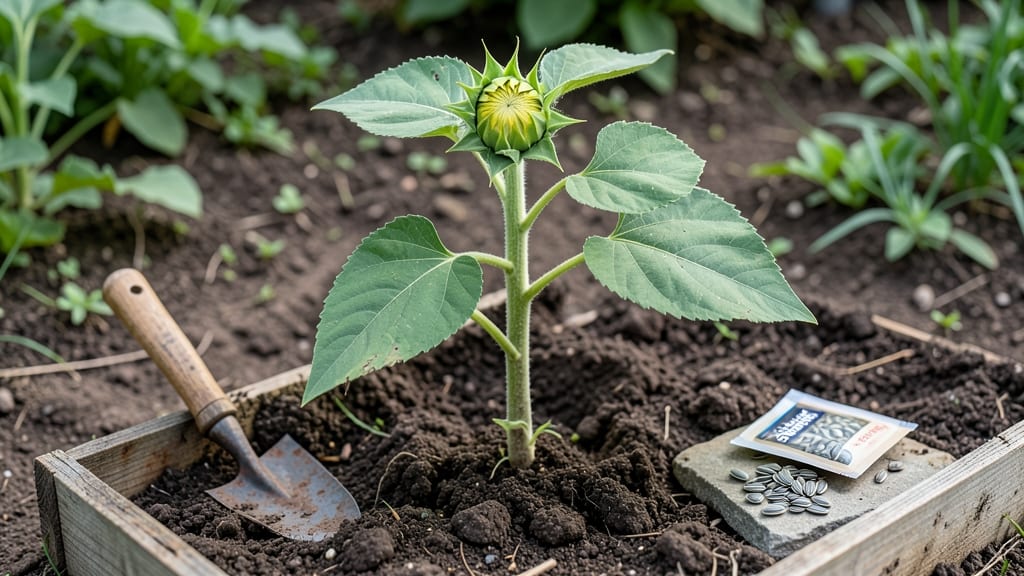
Planting sunflowers in New Jersey at the wrong time can leave you staring at sad, stunted 🌻 instead of towering summer stars. The key to success lies in knowing when to break ground—because NJ’s 6a-7b zones mean coastal areas and inland spots behave very differently when it comes to frost.
Most gardeners assume late April is the magic window, but that’s only half the story. In Atlantic County, for example, the last frost lingers until early May, while Sussex County can safely plant by mid-April.
This 2-week difference matters when your sunflowers need 180 frost-free days to reach their full glory.
I’ve learned the hard way that rushing seeds into cold soil or waiting too long can both backfire. The solution? A county-by-county guide that accounts for NJ’s microclimates, plus tricks to adjust for late frosts or early heatwaves.
Let me show you exactly when to plant for bigger blooms and fewer disappointments.
Whether you’re growing giant varieties or space-saving dwarfs, timing is everything. We’ll cover the best late April-early June window, plus backup strategies if Mother Nature throws a curveball. Ready to grow sunflowers that steal the show?
NJ sunflower planting dates by county heat zones (2024 guide)
New Jersey's diverse climate—from coastal Atlantic County to inland Sussex—means sunflower planting dates vary dramatically. Coastal areas like Cape May face later last-frost dates (mid-May), while inland zones like Morris County can plant 2-3 weeks earlier.
Understanding your USDA Zone (6a-7b) and county-specific averages ensures your sunflowers thrive from seed to towering bloom.
For giant varieties like 'Russian Giant' (120+ days to maturity), aim for late April to early May in most counties. Dwarf types ('Teddy Bear') mature in 50-60 days, giving you a 3-week window from early May to early June. Wild sunflowers (e.g., 'Autumn Beauty') can handle late June plantings for fall color.
Here’s your county-by-county breakdown—including last-frost averages, optimal planting windows, and heat-zone adjustments for early vs. late bloomers:
| County | USDA Zone | Avg. Last Frost | Optimal Planting Window | Late Bloomers (Fall) |
|---|---|---|---|---|
| Atlantic | 7a | May 10–15 | May 15–June 1 | July 1–15 |
| Bergen | 6b | April 25–May 5 | May 1–May 15 | June 20–July 5 |
| Burlington | 7a | May 5–10 | May 10–May 25 | June 25–July 10 |
| Cape May | 7a | May 15–20 | May 20–June 5 | July 10–20 |
| Essex | 6b | April 20–May 5 | April 25–May 10 | June 15–25 |
| Morris | 6b | April 25–May 5 | May 1–May 15 | June 20–July 5 |
| Sussex | 6a | April 15–25 | April 20–May 10 | June 10–20 |
For coastal counties (Atlantic, Cape May), wait until soil temperatures hit 60°F+—even if frost
How to adjust sunflower planting for NJ’s unpredictable spring weather
New Jersey’s spring weather can be as unpredictable as a rollercoaster—one day it’s warm enough to plant, the next, a surprise frost threatens your tender sunflower seedlings.
I’ve watched giant sunflowers wilt overnight when planted too early in Atlantic County, while inland areas like Hunterdon often miss the frost-free window entirely. The key? Flexibility in your planting strategy.
Most gardeners rely on the last frost date, but NJ’s 6a-7b zones mean those dates vary by 2-3 weeks across the state. For example, coastal areas like Cape May may not be frost-free until May 15, while Warren County can plant safely by April 20.
This variation forces us to adapt our approach.
Here’s the critical adjustment: soil temperature matters more than air temperature. Sunflower seeds need soil that’s at least 55°F (13°C) to germinate. A simple soil thermometer ($10 at garden centers) can save you from planting too soon.
I test mine every morning for 3 consecutive days before committing to the garden.
⚠️ WARNING: NJ-SPECIFIC MISTAKE ALERT ⚠️
Many gardeners rush to plant by April 15 statewide, but Atlantic and Cape May Counties still face 30% frost risk after that date. Seedlings can’t recover from 32°F (0°C) nights—they’ll turn black and crispy overnight. Instead, wait until May 1 in coastal areas or use row covers if you’re impatient.
For inland zones (Hunterdon, Sussex), April 20-25 is safer, but verify with your local Cooperative Extension office. Their frost alerts are gold for NJ gardeners!
If frost sneaks in after planting, don’t panic—cold-hardy varieties like ‘Autumn Beauty’ or ‘Moulin Rouge’ can tolerate 28°F (-2°C) once established. For extra protection, cover seedlings with frost blankets or even old bedsheets secured with bricks. I’ve saved entire rows this way when late frosts hit in June!
For a backup plan, consider staggered planting. Sow half your seeds at your usual time, then plant the rest 2 weeks later. This ensures blooms across July and August, extending your sunflower season.
I’ve also had success with container-grown sunflowers—they warm up faster and can be moved indoors if frost threatens.
Finally, monitor your sunflowers’ growth rate. If they’re growing 1 inch per week by late May, you’re on track. Slower growth? Check for compacted soil or nutrient deficiencies.
A light 5-10-10 fertilizer applied when seedlings hit 4 inches tall gives them the boost they need for taller stems and bigger blooms. ☀️