
Flowers
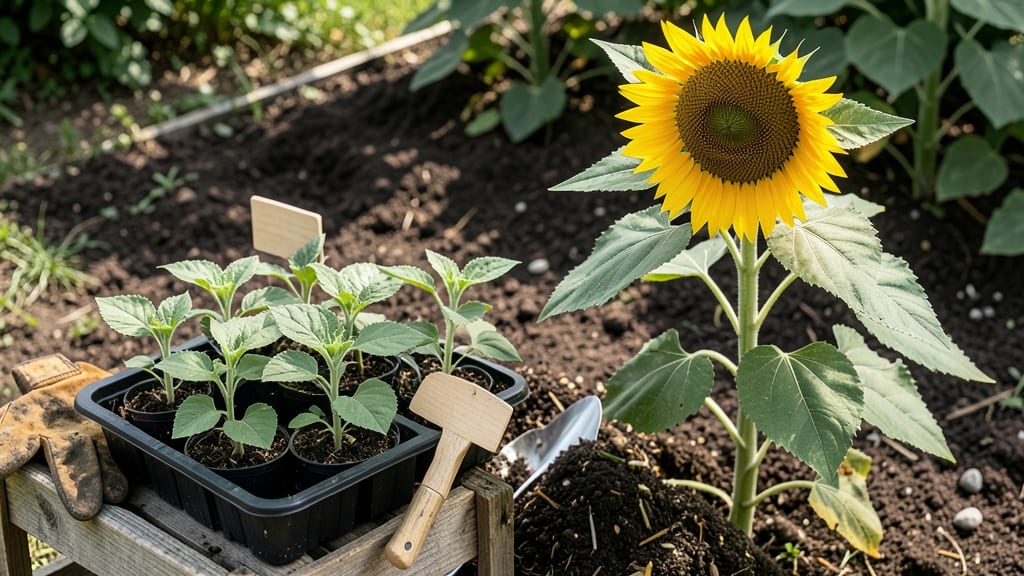
Planting sunflowers 🌻 in Northern California at the wrong time can mean watching them bolt or struggle before they ever reach their towering potential. The key to those perfect, sun-drenched blooms lies in understanding your local microclimate—whether you're in the Bay Area, Sacramento, or along the foggy coast.
Most gardeners in zones 8a-9b reach for their sunflower seeds between mid-March and early July, but that window shifts dramatically depending on your last frost date. Inland areas like Sacramento can plant 2-3 weeks earlier than coastal spots where chilly breezes linger longer.
What I’ve learned from years of growing these giants is that timing isn’t just about dates—it’s about soil temperature. You’ll want to wait until the ground warms to at least 50°F, which typically aligns with April or May for most of Northern California.
Ready to grow sunflowers that outshine the competition? Let’s break down the exact planting schedule, soil prep secrets, and variety picks that thrive in your specific corner of the state—no guesswork required.
Best planting months for sunflowers in Northern California’s microclimates
Northern California’s diverse microclimates create unique challenges—and opportunities—for growing sunflowers. From the Bay Area’s coastal fog to Sacramento’s inland heat, timing your planting can mean the difference between 10-foot giants and stunted blooms. The key? Understanding your local frost dates and adjusting for early vs. late varieties.
Sunflowers (Helianthus annuus) thrive in USDA zones 8a-9b, but Northern California’s microclimate variations require precise planning. Coastal areas like San Francisco have later frost dates, while inland valleys like Sacramento warm up faster. Let’s break down the optimal planting windows for each region.
🌱
| Region | Last Frost Date | Best Planting Window | Soil Temp Requirement | Ideal Varieties |
|---|---|---|---|---|
| Bay Area (Coastal) | March 22 - April 5 | April 15 - May 31 | 50°F (10°C) minimum | 'Teddy Bear', 'Autumn Beauty' |
| Sacramento Valley | March 1 - March 15 | March 20 - June 15 | 55°F (13°C) minimum | 'Russian Giant', 'Mammoth' |
| Northern Coast (Mendocino) | April 1 - April 15 | May 1 - June 10 | 50°F (10°C) minimum | 'Sunspot', 'ProCut' |
| Foothills (Chico) | March 10 - March 25 | March 25 - July 1 | 55°F (13°C) minimum | 'Autumn Beauty', 'Moulin Rouge' |
In the Bay Area, coastal fog delays warming, so wait until mid-April to plant. The Sacramento Valley warms earliest—late March is perfect for giant varieties like 'Russian Giant'. For northern coastal areas, like Mendocino, plant after May 1 to avoid late frosts.
Pro tip: Use soil thermometers to confirm 50°F (10°C) minimum soil temps. Inland areas can plant 2-3 weeks earlier than coastal zones. For late-season blooms, try July plantings of dwarf varieties like 'Teddy Bear'—they’ll bloom before frost.
🌻
Adjust for early vs. late varieties: Early-blooming types (e.g., 'ProCut') can handle April plantings, while giant varieties (e.g., 'Mammoth') need May-June starts to mature before frost. Coastal gardeners should prioritize dwarf or semi-dwarf types—they tolerate fog better than towering varieties.
Don’t forget: Sunflowers need 6-8 hours of sun daily. In coastal fog belts, choose south-facing spots to maximize sunlight exposure. Inland areas can plant in full sun anywhere, but avoid low-lying spots where cold air pools.
💧
For container growing, plant 1-2 weeks earlier than in-ground—pots warm faster. Use black plastic pots to absorb heat if extending your season. And if you’re saving seeds, plant a mix of early and late varieties to stagger blooms and ensure continuous seed production.
Northern California’s microclimates are your secret weapon—use them to extend your sunflower season from June to October. With the right timing, you’ll enjoy sunflower stalks taller than your fence and seed heads heavy with oil-rich kernels.
How to avoid common sunflower planting mistakes in Northern California’s climate
Sunflowers in Northern California can grow 10 feet tall or more—but only if you plant them at the right time. The biggest mistake I see is rushing seeds into cold soil, which leads to stunted growth or frost damage.
Even worse? Planting too late, which cuts bloom time and seed production by nearly 50%. The key is balancing soil temperature, frost dates, and your local microclimate.
Most gardeners in zones 8a-9b assume April is safe, but coastal areas like San Francisco often face late frosts well into May. Meanwhile, inland spots like Sacramento can plant as early as mid-March without risk. Without checking soil temps, you’re gambling with your sunflowers’ future.
Cold soil (<50°F) stalls germination. Use a soil thermometer—wait until temps hit 50°F+ for 5+ days before sowing. Coastal areas often need to wait until May.
Planting after June 15 shortens bloom time by 30-40%. For maximum height (12+ ft), aim for April-May sowing.
Pro Tip: Check your last frost date (avg. March 15 inland, April 15 coast) and plant 2-3 weeks after.
One of the most critical mistakes is ignoring soil temperature rather than calendar dates. Sunflower seeds need warmth to germinate—50°F (10°C) is the absolute minimum. In my own garden, I’ve seen seeds take 3 weeks to sprout in 45°F soil versus just 5-7 days in 60°F+ conditions.
A simple $10 soil thermometer saves hours of frustration.
Another common error? Overcrowding seeds. While it’s tempting to plant densely for a "sunflower meadow," giant varieties need 18-24 inches of space to avoid competition. Dwarf types (Teddy Bear) can handle 12 inches apart, but standard varieties will lean or flop if cramped.
I once grew Russian Giants just 12 inches apart, and they barely reached half their potential height.
For maximum seed production, time your planting to give sunflowers 90-120 days of growth before frost. In Northern California, that means early April for late-summer blooms (August-September). If you’re growing heirloom varieties, aim for mid-May to extend the season into October.
I’ve had Autumn Beauty sunflowers still blooming in November when planted in late May.
Finally, don’t forget that Northern California’s microclimates vary wildly. A Sacramento garden might see 100°F+ days by July, while coastal Santa Cruz stays in the 60s. Adjust your planting window: inland = earlier, coastal = later.
For example, I plant Mammoth sunflowers in early April in Davis but wait until mid-May in Petaluma.