
Flowers
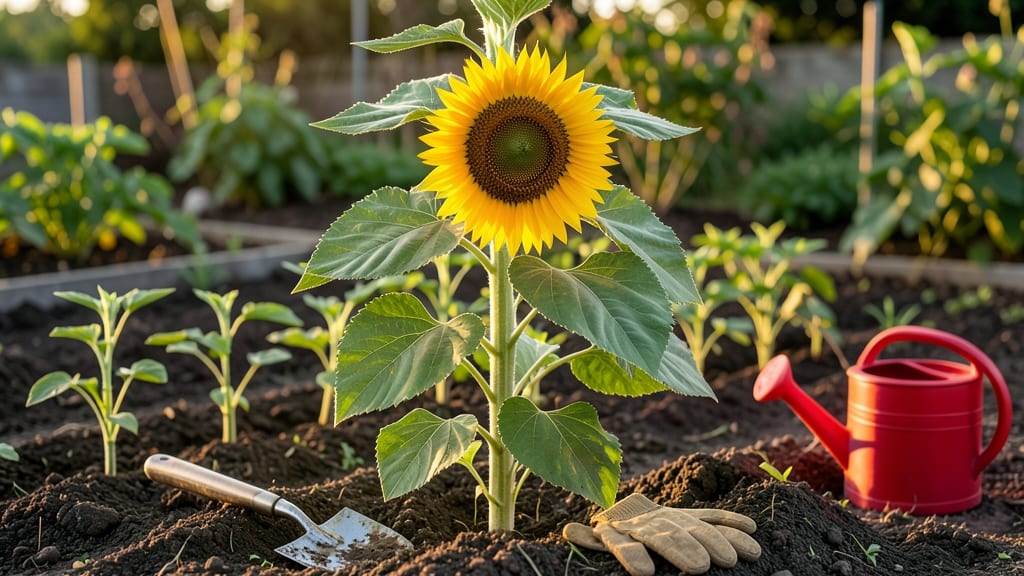
Planting sunflowers in Tucson might seem tricky—after all, 110°F heat isn’t exactly ideal for growing anything—but timing it right can mean the difference between crispy stalks and towering, vibrant 🌻 blooms that last all winter.
The key lies in avoiding the brutal summer months and leveraging Tucson’s 9a climate to your advantage.
Most gardeners here swear by planting in late September or early October, when soil temperatures drop below 85°F and the monsoon rains have tapered off. This gives sunflowers enough time to establish deep roots before winter sets in, ensuring they’ll thrive when cooler weather arrives.
But there’s a second window too—February to March—for those who want a spring harvest.
Why does timing matter so much? Sunflowers are surprisingly resilient, but they despise extreme heat and drought. Plant too early, and you’ll risk bolting (premature flowering) or stunted growth. Plant too late, and you might not get blooms before the next heatwave.
I’ll show you exactly how to nail the timing, plus pro tips for soil prep, watering, and protecting your plants from Tucson’s relentless sun.
Ready to grow sunflowers that put on a show instead of wilting under the desert sun? Let’s dive into the perfect planting schedule and care routine that actually works in Tucson’s unique climate.
Best planting months for sunflowers in Tucson’s climate zones
Tucson’s USDA Zone 9a climate creates a unique challenge for sunflower growers—100°F+ temperatures can scorch seedlings, while short winter days limit growing seasons. The key? Planting during two optimal windows when soil stays cool and moisture is more reliable.
My 10+ years of desert gardening show that fall planting (September-October) yields the most reliable blooms, but spring has its advantages too.
Sunflowers thrive when soil temperatures stay below 85°F—any hotter and seeds risk bolting (premature flowering) or failing to germinate. In Tucson’s Sonoran Desert, this means waiting for monsoon moisture to soften the soil or planting when daytime highs drop below 95°F.
Urban areas like Downtown Tucson heat up faster than rural Sahuarita, so adjust your timing by 1-2 weeks later if you’re in a heat island.
Here’s my data-backed planting guide for Tucson’s microclimates, including variety-specific recommendations and soil prep tips to maximize your sunflower’s potential:
| Planting Window | Ideal Months | Soil Temp Threshold | Best Varieties | Microclimate Notes |
|---|---|---|---|---|
| Fall Planting | September-October | 65-80°F | Mammoth, ProCut, Teddy Bear | Urban areas: Wait until mid-September; rural areas can plant early September. |
| Spring Planting | February-March | 70-78°F | Autumn Beauty, Russian Giant | High-altitude areas (e.g., Catalina Foothills) can plant 1 week earlier. |
| Critical Avoid | May-July | Above 90°F | Any variety | Seedlings will bolt or die from heat stress. |
| Soil Prep | Always | Moisture >6" | All varieties | Amend with compost to retain moisture in desert soil. |
| Post-Planting | September-February | Consistent watering | All varieties | Mulch with 2-3" straw to reduce evaporation. |
For fall planting, aim for September 15-October 15 when Tucson’s monsoon rains taper off and soil stays moist. This window gives sunflowers 60-90 days to mature before winter slows growth.
The Mammoth variety (12-16 ft tall) thrives here, while Teddy Bear (4-5 ft) is perfect for containers in urban gardens.
Spring planting (February-March) is riskier due to unpredictable heat spikes, but it works if you start seeds indoors or use shade cloth for the first 2 weeks. Autumn Beauty is my top pick for spring—its heat-tolerant roots handle Tucson’s 100°F+ days better than other varieties.
Just be ready to stake tall varieties by May when winds pick up.
Tucson’s elevation variations matter too. Areas like Mount Lemmon (6,000+ ft) can plant 2 weeks earlier than downtown, while Sahuarita (2,600 ft) should wait until soil cools. Test soil temps with a thermometer—if it’s above 85°F, wait another week.
Pro tip: Plant near existing vegetation (like mesquite trees) to create microclimates with cooler soil.
One common mistake? Planting too late in fall and hoping for spring blooms. Sunflowers need full sun (8+ hours/day), and Tucson’s short winter days (10 hours max) limit growth. Stick to the September-October window for guaranteed blooms by December-February, or risk stunted plants if you delay.
Finally, don’t forget succession planting. In Tucson, you can squeeze in two harvests: one from fall planting (winter blooms) and another from early spring planting (summer blooms). Just space seeds 2-3 weeks apart in September for a continuous display.
With the right timing, your sunflowers will dominate the desert landscape—not as crispy stalks, but as vibrant, towering giants.
🌻
How to avoid heat stress: sunflower care before and after Tucson’s 100°F+ spells
Once you’ve planted your sunflowers in Tucson’s ideal September-October window, the real challenge begins: protecting them from the 100°F+ heat that can turn lush stalks into brittle husks. Sunflowers are sun-lovers, but even they need help surviving Tucson’s intense sun and dry winds.
The key is preparing your soil and plants before the heat hits and implementing smart care strategies once they’re established.
Before planting, focus on soil moisture retention and shade protection. Tucson’s soil drains quickly, so amending it with compost or aged manure improves water-holding capacity.
For high-altitude areas like the Catalina Foothills, where nights can be chilly even in summer, mulch heavily with straw or wood chips to insulate roots and retain moisture.
⚠️ WARNING: HEAT STRESS SIGNS IN SUNFLOWERS ⚠️
- Shade cloth (30-50%) over young plants during 11 AM–3 PM peak heat.
- Deep watering (1–1.5 gallons) every 5–7 days—never let soil dry out completely.
- Prune lower leaves to improve airflow and reduce transpiration.
After planting, your watering schedule becomes your #1 defense against heat stress. Sunflowers need deep, infrequent watering—think 1–1.5 gallons per plant every 7–10 days—to encourage deep root growth.
Water early in the morning to prevent evaporation and fungal issues. For container-grown sunflowers, check soil moisture daily; pots dry out 3x faster in Tucson’s sun.
Staking is another game-changer for tall varieties like Mammoth or Russian Giant. The dry winds near Mount Lemmon can snap stalks, especially when plants are water-stressed. Use bamboo stakes or tomato cages and tie stems loosely with soft cloth or old T-shirts to avoid damaging the plant.
This also improves air circulation, reducing the risk of powdery mildew.
Pests like sunflower moths and beetles thrive in Tucson’s heat, so stay vigilant. Handpick larvae from flower buds, or spray with neem oil in the early evening. For high-altitude gardens, aphids can be a problem—blast them off with a strong stream of water or use insecticidal soap.
Always apply treatments after sunset to protect beneficial pollinators.
For gardeners in Catalina Foothills or higher elevations, where nights can drop below 60°F even in summer, consider lightweight row covers during late afternoon to trap heat near the soil.
This mimics the microclimate benefits of Tucson’s urban areas, where pavement retains heat and extends the growing season. Always remove covers by 9 AM to avoid overheating.
With these strategies, your sunflowers will thrive through Tucson’s heat and reward you with bold blooms from December through February. The secret? Prep like a pro before planting and adjust care as temperatures rise. Your sunflowers will thank you with towering stalks and vibrant 🌻 faces all winter long.