
Plants
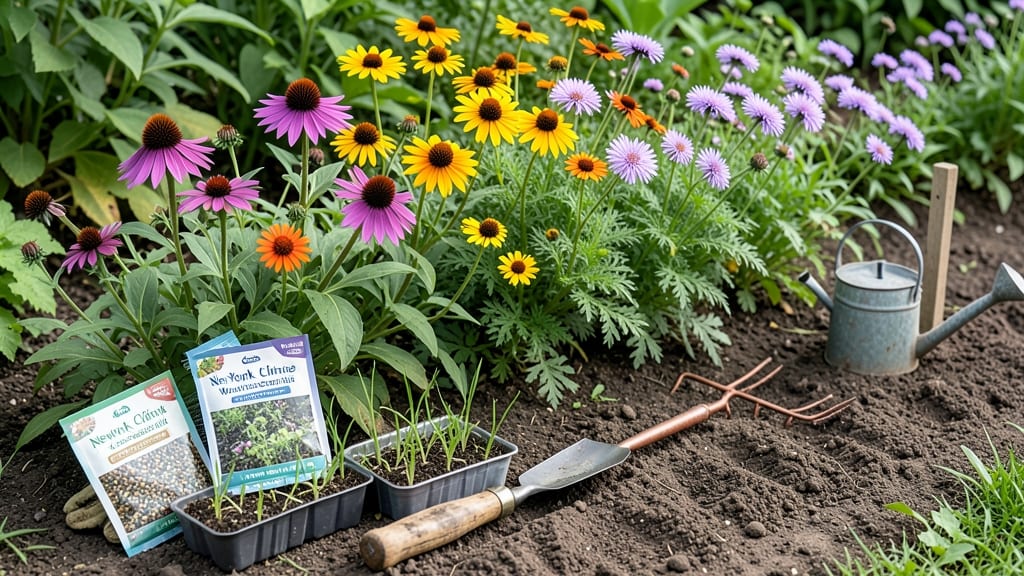
Planting wildflower seeds in New York at the wrong time can mean waiting months for those vibrant blooms—or never seeing them at all.
The perfect window for sowing these 🌼 beauties depends on your region's frost dates and seasonal rhythms, but getting it right transforms your garden into a pollinator paradise.
If you've ever wondered why some wildflower mixes thrive while others struggle, the answer lies in timing. New York's USDA Zones 5-7 offer two ideal planting seasons: early spring (after the last frost) and fall (before the first frost).
Each approach has its advantages, from faster germination in spring to stronger root establishment in fall.
Whether you're a beginner or a seasoned gardener, mastering these seasonal cues will give you the confidence to create a garden that blooms reliably year after year. I'll walk you through exactly when to plant, how to prepare your soil, and which species perform best in New York's varied microclimates.
Ready to turn your yard into a haven for bees, butterflies, and birds? Let's dive into the game-changer strategies that will make your wildflower garden a standout success—no matter where in New York you live.
Best months to plant wildflower seeds in New York by season
New York’s diverse climate creates unique challenges for wildflower gardeners, but understanding seasonal planting windows transforms your garden into a pollinator paradise. The Empire State spans USDA Zones 5-7, with frost-free dates varying from early April in NYC to late May in the Adirondacks.
This variation means your planting strategy should adapt to your specific region.
For annual wildflowers, like cosmos and zinnias, the ideal planting window is early spring (March-April) or late summer (July-August).
These fast-growing species thrive when sown just before or after summer’s peak heat. Perennial wildflowers, such as milkweed and black-eyed Susans, benefit from fall planting (September-October) to establish roots before winter.
| Season | Best Planting Months | Wildflower Types | Soil Temp | NY Region Notes |
|---|---|---|---|---|
| Spring | March-April | Annuals, Early Perennials | 45-60°F | NYC: Wait until after last frost (mid-April). Upstate: March planting works for cold-hardy species like lupine. |
| Summer | July-August | Heat-Tolerant Annuals | 60-75°F | Best for sunflowers and coreopsis. Water deeply 2x/week to prevent drought stress. |
| Fall | September-October | Perennials, Biennials | 50-65°F | Critical for native species like goldenrod. Plant 4-6 weeks before first frost. |
| Winter | January-February | Cold-Hardy Species | 32-40°F | Use winter sowing method for phlox and wild bergamot. Protect seeds with mulch. |
Spring planting in March-April is perfect for annual wildflowers that bloom quickly, like cosmos and marigolds. In NYC, wait until after the last frost date (typically mid-April), while Upstate gardeners can start as early as late March for cold-tolerant species.
Prepare your soil by removing weeds and loosening the top 2 inches to improve seed-to-soil contact.
Summer planting in July-August is ideal for heat-loving annuals such as sunflowers and zinnias. These species thrive when sown after the hottest weeks of July, giving them time to establish before cooler fall temperatures arrive. In drought-prone regions like the Finger Lakes, prioritize deep watering to help seeds germinate.
Fall planting between September and October is the golden window for perennial wildflowers, including milkweed and black-eyed Susans. Cooler temperatures reduce seedling stress, and consistent rainfall in autumn helps roots establish before winter.
Aim to plant 4-6 weeks before your first frost, which varies from mid-October in NYC to early November in the Adirondacks.
Winter sowing (January-February) is a low-maintenance method for hardy species like wild bergamot and phlox. Place seeds in protected containers (like milk jugs with drainage holes) and let nature handle the stratification process. This approach works best in USDA Zone 5 areas, where winters are colder and longer.
For urban gardeners in NYC, the heat island effect can create microclimates that allow for slightly earlier spring planting. Monitor your local soil temperature—seeds need consistent 45-60°F to germinate. In contrast, Upstate regions like the Adirondacks benefit from cooler springs, making March planting viable for cold-hardy species.
Regardless of season, always prepare your soil by removing debris and loosening the top layer. For native wildflowers, consider adding a thin layer of compost to improve fertility without overwhelming delicate seedlings.
After sowing, water gently to avoid displacing seeds, and keep the soil moist but not soggy until germination.
Pro tip: Mix native wildflower seeds with sand for even distribution and reduce clumping. This technique ensures better germination rates and prevents overcrowding as plants mature. With the
How to adjust planting timing for New York’s unique microclimates
New York’s microclimates create wildly different growing conditions—from the urban heat islands of NYC to the cool lake-effect zones of the Finger Lakes and the high-elevation Adirondacks. These variations mean your wildflower seeds need custom timing to thrive.
For example, black-eyed Susans may sprout weeks earlier in Zone 6 Upstate than in Zone 7 Long Island.
To succeed, I recommend checking your local frost-free dates (typically mid-April in NYC but late May in the Adirondacks) and adjusting your planting schedule accordingly. Soil temperature is equally critical—most wildflower seeds germinate best when soil reaches 50-60°F, which happens earlier in urban areas than rural regions.
Here’s how to tailor your planting window to New York’s three key microclimates:
For urban areas, plant milkweed in early spring to give it a head start before summer heat sets in. In contrast, mountainous regions benefit from late-summer sowing, as cooler nights prevent seed dormancy.
Always choose native species—they’re already adapted to your microclimate’s unique stresses, from drought to wind.
Pro tip: Use a soil thermometer to confirm germination-ready temps. If your soil is below 50°F, wait—even black-eyed Susans will struggle to sprout. For lake-effect zones, consider fall planting in August to avoid late-spring frosts near water bodies.
Adjusting for microclimates isn’t just about timing—it’s about matching species to conditions. For example, purple coneflower thrives in NYC’s heat but may flop in the Adirondacks, where wild bergamot takes center stage.
By aligning your seeds with your region’s natural rhythms, you’ll create a wildflower garden that blooms reliably year after year.
Start small with a 10x10-foot plot, test your local timing, and expand as you refine your approach. Your pollinators—and your neighbors—will thank you! 🌼