
Plants
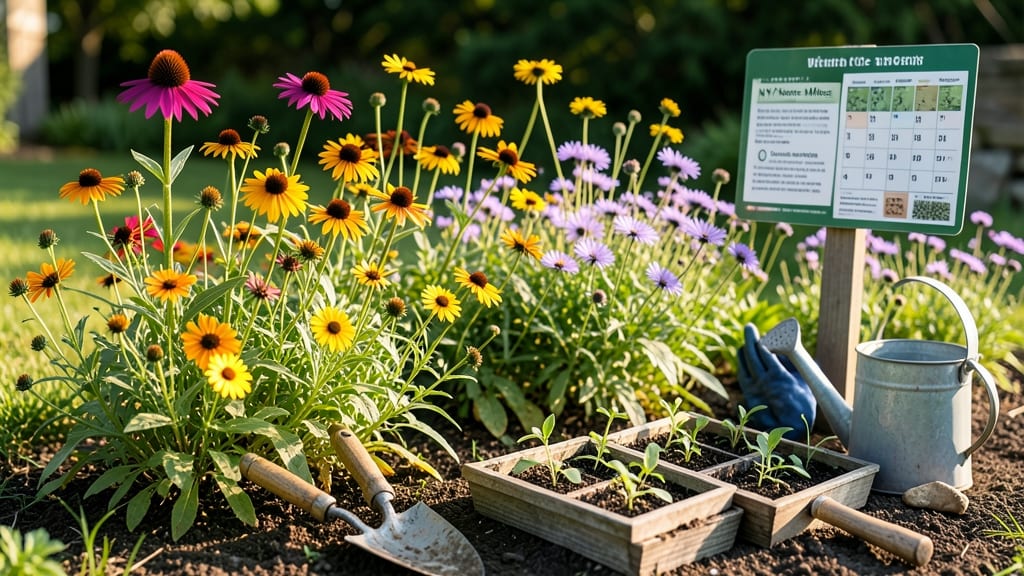
Planting wildflower seeds in New York isn’t just about grabbing a packet and tossing it into the ground—it’s about catching the perfect window when your local climate and soil are ready to welcome those 🌼 blooms.
Get the timing wrong, and you’ll either be battling frost or watching your seeds bake in summer heat before they even sprout.
Here’s the truth: spring and fall are your best bets, but the exact months depend on whether you’re in frost-prone Upstate or milder NYC.
I’ll break down the zone-specific deadlines that make all the difference—because planting too early in the Catskills isn’t the same as waiting until late May in Long Island.
You’ll also discover how to prep your soil, scatter seeds just right, and avoid common pitfalls that turn vibrant meadows into patchy disappointments. Whether you’re a first-time gardener or a seasoned pro, these tips will help your wildflowers thrive with minimal effort and maximum beauty.
Let’s dive into the exact planting windows—and why a two-week difference can mean the difference between a garden full of color and one that fades before summer’s end.
NY planting zones: when to sow wildflower seeds for best results
New York’s diverse climate—from the cool mountain air of the Catskills to the warmer coastal breezes of Long Island—means your wildflower seeds need precise timing to thrive. Plant too early, and frost will kill your seedlings; wait too long, and summer heat will dry them out before germination.
The key is understanding your USDA hardiness zone (5b–7b) and adjusting for local frost dates.
Most wildflowers prefer cool soil for germination, making early spring and late summer/fall the ideal windows. But in Zone 5b (Upstate NY), you’ll plant weeks earlier than in Zone 7b (Long Island).
I’ll break down the exact deadlines so you never miss the perfect moment to scatter seeds for a year-round meadow.
Here’s the game-changer: Fall planting often yields better results than spring because seeds germinate early in cool, moist soil and establish roots before summer stress. However, if you’re in a high-altitude area like the Adirondacks, you’ll need to push spring planting 2–3 weeks later to avoid late frosts.
Let’s dive into the zone-specific deadlines that guarantee success.
Notice how the fall planting window stretches later in Zone 7b (Long Island) than in Zone 5b (Catskills)? That’s because coastal areas retain heat longer, while high-altitude regions cool off faster.
If you’re in Zone 6a or 6b, aim for mid-September to give seeds time to germinate before the first frost—usually mid-October in Upstate NY.
For spring planting, the rule is simple: wait until the soil temperature hits 50°F and the last frost date has passed. In Zone 5b, that’s often mid-April, while in Zone 7b, you can start as early as mid-March.
Pro tip: Use a soil thermometer to check—wildflower seeds need warmth to break dormancy, and cold soil will delay or prevent germination.
High-altitude areas like the Catskills or Adirondacks require extra caution. The thinner air and shorter growing season mean you should push spring planting to late April or early May and limit fall planting to early September.
If you’re unsure about your local frost dates, check the National Weather Service or use a frost calendar for your county—it’s the difference between a lush
Wildflower seed varieties: best types for NY’s climate and seasons
New York’s diverse climate—from the humid summers of NYC to the cool mountain air of the Catskills—means not all wildflowers thrive equally. To maximize blooms, I’ve curated a seasonal lineup of NY-native varieties that align with your local growing conditions.
The key? Layered planting to stretch your bloom season from early spring to late fall.
Start with early spring bloomers like Virginia bluebells (Mertensia virginica), which burst into blue-purple clusters as soon as the snow melts. These shade-tolerant beauties are perfect for woodland edges or under trees, where they’ll naturalize effortlessly.
Pair them with wild columbine (Aquilegia canadensis) for vertical interest and delicate yellow flowers that hummingbirds adore.
For summer-long color, no variety beats black-eyed Susans (Rudbeckia hirta). These drought-resistant stalwarts bloom from July until frost, their golden-yellow petals contrasting with dark centers.
They’re also pollinator magnets, attracting bees and butterflies for weeks. Plant them in full sun with well-draining soil, and they’ll self-seed generously for years.
- 1 Spring Planting (March–April): Sow Virginia bluebells and wild columbine as soon as soil is workable (around USDA Zone 5b). These cool-season lovers thrive with moist, well-draining soil and partial shade. Lightly rake seeds into 1/4-inch depth—they need light to germinate!
- 2 Summer Bloomers (May–June): Plant black-eyed Susans and coneflowers (Echinacea purpurea) in full sun after the last frost (typically mid-April in NYC, late March in Buffalo). These heat-tolerant varieties need well-draining soil and minimal water once established. Scatter seeds thinly and press into 1/8-inch depth—they germinate best in warm soil.
- 3 Fall Favorites (August–September): Don’t overlook goldenrod (Solidago spp.) and New England aster (Symphyotrichum novae-angliae) for late-season color. Goldenrod’s yellow plumes bloom in September, while asters add purple and pink splashes. Sow these in late summer (August) to give seeds time to germinate before first frost (mid-October in NYC, late September Upstate).
- 4 Layered Planting Tip: Extend your bloom season by mixing spring ephemerals (like trillium) with summer perennials (like bee balm) and fall asters. This creates a continuous color show from April to November with minimal effort. Just ensure each layer gets the right sunlight and soil moisture for its peak season.
To prep your soil for these NY natives, focus on improving drainage and adding organic matter. Wildflowers hate soggy roots, so amend heavy clay soil with compost or sand to create a loose, crumbly texture.
For sandy soils, mix in peat moss or coconut coir to retain moisture. A light mulch of straw (not wood chips) after planting helps retain soil moisture without smothering seeds.
Once established, most wildflowers are low-maintenance and drought-tolerant, but they do need regular watering for the first 4–6 weeks to help roots establish. After that, let nature take over—these hardy plants thrive with minimal intervention.
Just deadhead spent blooms in early fall to encourage reseeding and next year’s show.
Pro tip: If you’re in Zone 6b or 7a (like the Hudson Valley or Long Island), you can even try fall planting for some varieties like coreopsis or phlox. The cool fall temperatures help seeds germinate without the stress of summer heat, giving them a head start in spring.