
Plants
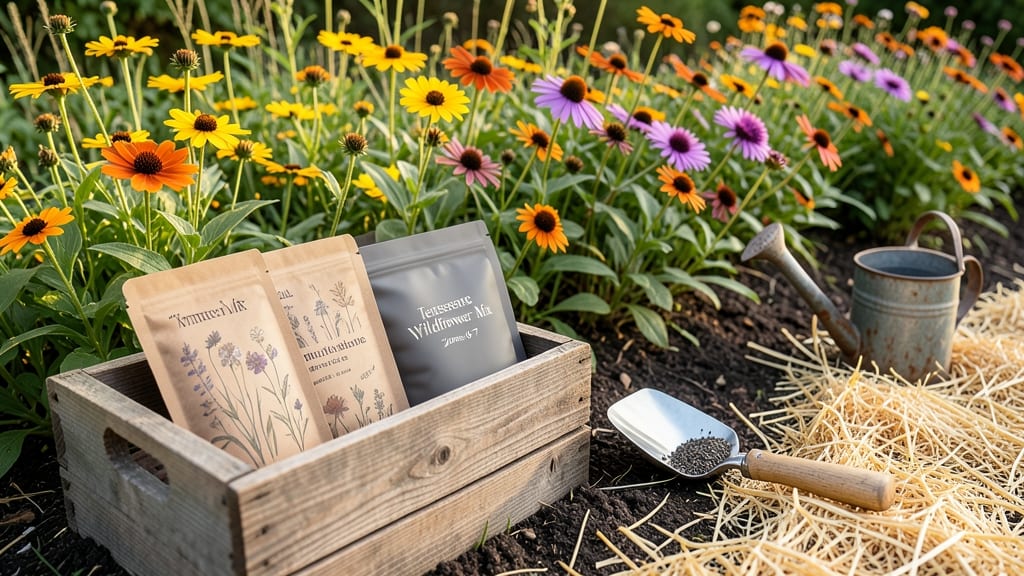
Planting wildflower seeds in Tennessee at the wrong time can mean the difference between a vibrant meadow teeming with life and a patch of disappointment.
The key to success lies in understanding your USDA zone—whether you're in the cooler Appalachian highlands or the warmer valleys—and aligning your planting with nature's rhythm.
For most of Tennessee's 6a-8a zones, late winter to early spring (February through April) is your best window, but late summer to early fall (August through September) works too.
This timing ensures seeds germinate when soil temperatures are just right, giving them the head start they need to thrive before summer's heat or winter's chill sets in.
I've learned that soil prep is just as critical as timing. Whether you're working with clay-heavy soil in East Tennessee or sandy loam in the west, proper preparation helps seeds make contact with the earth without smothering them.
Let me walk you through the exact steps to set your wildflowers up for success from day one.
From choosing native varieties that attract pollinators to avoiding common pitfalls like overwatering or planting too late, this guide covers everything you need to know. Let's turn your Tennessee landscape into a blooming paradise that lasts for seasons.
Best planting months for wildflower seeds in Tennessee by USDA Zone
Tennessee’s 6 USDA zones (5a-7b) create distinct planting windows for wildflowers, with early spring and fall being the golden periods. In Zone 5a (eastern highlands), cooler temperatures demand late April planting, while Zone 7b (Middle Tennessee) thrives with August-September fall sowing.
The key? Align with your local last frost date and soil moisture—too early, and seeds rot; too late, and they dry out.
Native annual wildflowers like Black-eyed Susans and Coreopsis prefer spring planting (March-April), while perennials such as Purple Coneflower and Butterfly Weed establish better in fall. Drought-prone areas like Middle Tennessee benefit from fall planting, as cooler temps reduce water stress.
Always check your local frost dates—a critical factor for Tennessee’s varied microclimates.
Comparison Table: Tennessee Wildflower Planting by USDA Zone
| USDA Zone | Best Spring Months | Best Fall Months | Key Considerations | Soil Prep Tip |
|---|---|---|---|---|
| 5a (East TN) | Late April - Early May | September (before frost) | Cooler temps; watch for late frosts | Loosen clay soil with compost |
| 6a (East TN) | March - April | August - September | Humid climate; mulch to retain moisture | Add sand to heavy clay areas |
| 6b (Middle TN) | February - March | August - Early September | Drought-prone; water deeply after planting | Mix in drought-resistant compost |
| 7a (Middle TN) | March - Early April | September - Early October | Hot summers; plant early fall | Test soil pH (aim for 6.0-7.0) |
| 7b (West TN) | February - March | August - September | Sandy soils; mulch heavily | Add organic matter to sandy soils |
For Zone 5a gardeners in the Appalachian Mountains, prioritize late April planting to avoid late spring frosts. Scatter seeds after soil reaches 50°F—use a soil thermometer for accuracy.
In Zone 7b (West Tennessee), fall planting in August-September gives seeds time to germinate before winter dormancy, reducing summer heat stress.
My pro tip: Mix wildflower seeds with a light mulch (like straw) to protect them from bird predation and drying winds. In drought-prone Middle Tennessee, consider hydroseeding for large areas—it locks in moisture and seeds simultaneously. Always water lightly after planting to activate germination without displacing seeds.
Native perennial wildflowers like Goldenrod and Milkweed establish best when planted in fall, as cooler temps encourage deep root growth before winter. For annuals, such as Sunflowers and Zinnias, spring planting ensures they bloom in first-year.
Remember: Tennessee’s humid summers can cause seed rot, so avoid planting when soil is waterlogged.
If you’re in East Tennessee’s Zone 6a, focus on spring planting (March-April) for maximum bloom time. Use a seed starter mix for rocky soils to improve seed-to-soil contact.
For West Tennessee’s sandy soils, add organic compost to retain moisture—critical for seedling establishment. Always monitor soil moisture; wildflowers despise soggy conditions.
One common mistake is planting too early in Zone 7b—seeds may rot in warm, wet soil.
How to prepare Tennessee soil for wildflower seed success
Tennessee’s diverse soil types—from heavy clay in the east to sandy loam in the west—can make or break your wildflower meadow. The key to success lies in preparing your soil to match your region’s natural conditions while creating the perfect environment for seed germination.
I’ve learned that skipping proper prep often leads to poor seed contact, weed competition, and slow establishment.
Start by testing your soil’s pH using a simple test kit. Most native Tennessee wildflowers thrive in slightly acidic to neutral soil (pH 6.0-7.0)**>. If your soil is too alkaline (common in limestone areas), amend it with sulfur or peat moss to lower the pH gradually.
For acidic soils, add lime or wood ash sparingly to raise the pH.
Now, let’s tackle the most critical step: weed suppression. Wildflower seeds are tiny and need direct contact with soil to germinate. Before planting, remove existing weeds by hand or use a broadfork to loosen the top 2-3 inches of soil without tilling deeply.
Tilling can disrupt beneficial mycorrhizal fungi that help wildflowers establish roots.
🌱 Step-by-Step Soil Prep for Tennessee Wildflowers
- 🔹 Clear debris: Remove rocks, sticks, and large weeds from your planting area. Use a rake or hoe for efficiency.
- 🔹 Loosen soil: Use a broadfork or hand fork to aerate the top 2-3 inches. Avoid deep tilling to preserve soil structure.
- 🔹 Amend as needed: Mix in compost or well-rotted manure (1-2 inches) for nutrients. Avoid fresh manure, which can burn seeds.
- 🔹 Level the surface: Create a slightly uneven texture with a rake to help seeds settle into small grooves.
- 🔹 Suppress weeds: Lay down cardboard or newspaper (without glossy ink) over bare soil, then cover with straw or wood chips (2-3 inches) to block light and prevent weeds.
- 🔹 Wait 2-4 weeks: Let the mulch settle and weeds die off before scattering seeds. This ensures a clean slate for germination.
For clay-heavy soils (common in East Tennessee), improve drainage by mixing in sand or perlite and avoiding compacting the soil. In sandy soils (found in West Tennessee), add compost or coconut coir to retain moisture and nutrients. Both extremes can struggle to hold water or nutrients long-term.
One of my biggest lessons? Avoid over-preparing the soil. Wildflowers thrive in natural, undisturbed conditions where native microbes can flourish. Over-tilling or amending too heavily can disrupt the soil ecosystem your wildflowers rely on.
Instead, focus on creating a loose, weed-free surface that mimics the forest floor where many native wildflowers originate.
Finally, water lightly before planting to settle the soil, but avoid soaking it. Once your seeds are scattered, keep the soil consistently moist (not soggy) for the first 2-3 weeks.
After germination, reduce watering to encourage deep root growth. With these steps, your Tennessee wildflowers will have the perfect foundation to bloom beautifully for years.