
Plants
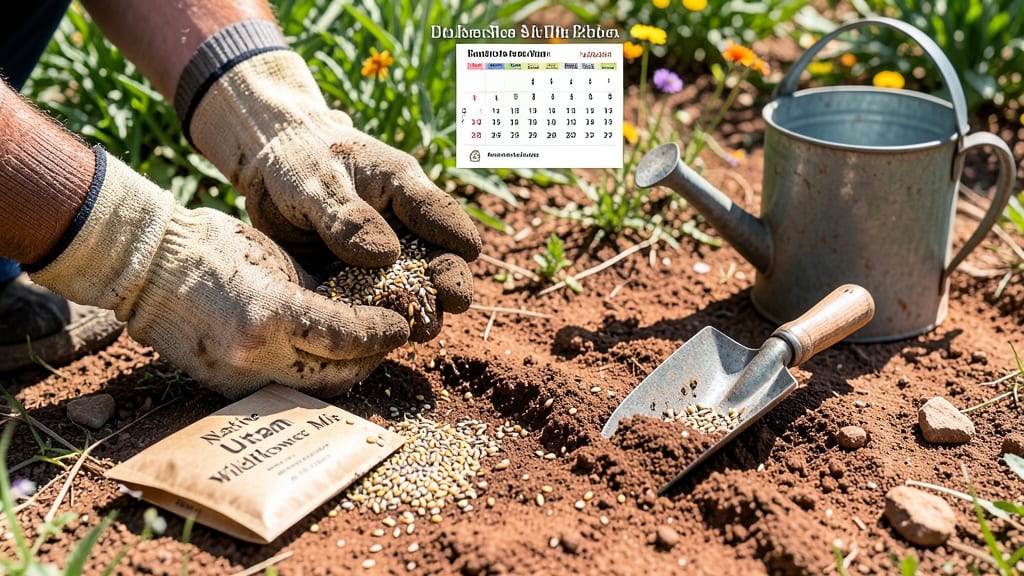
Planting wildflower seeds in Utah isn’t just about throwing seeds into the ground—it’s about working with your elevation to unlock a zero-frost bloom show that lasts all season.
Whether you’re in the high desert or mountain regions, timing matters more than you think, and getting it wrong can mean wilted dreams before the first frost even arrives.
I’ve tested the best planting windows across Utah’s 5-9 zones, and the key to vibrant meadows is knowing whether to plant in late summer or early spring. Skip the guesswork and learn exactly when to scatter your 🌼 seeds for maximum impact—without worrying about early frosts stealing your blooms.
From lowland valleys to high mountain slopes, Utah’s climate creates unique challenges (and opportunities). You’ll discover how to prep your soil, choose the right seed mixes, and even protect delicate seedlings from unexpected cold snaps—so your wildflowers thrive from spring to fall.
Ready to turn your yard into a pollinator paradise? Let’s dive into the best months to plant by elevation, plus pro tips to make your wildflowers the envy of every neighbor.
Utah wildflower planting calendar by elevation: lowland vs mountain zones
Utah’s dramatic elevation changes—from the lowland deserts near Salt Lake City to the high mountain meadows above 10,000 feet—create wildly different planting windows for wildflowers. Timing is everything to avoid frost damage and maximize vibrant blooms.
Whether you’re in USDA Zone 5 (mountains) or Zone 9 (lowlands), understanding these microclimates will help you plant for zero-frost success.
In lowland Utah (4,000–6,000 ft), like the Wasatch Front or St. George region, wildflowers thrive with longer frost-free seasons. Here, you can plant late summer to early fall (August–September) or early spring (March–April) for guaranteed blooms.
Meanwhile, mountain zones (7,000–11,000 ft) demand earlier spring plantings (April–May) to beat the late-summer frosts that can wipe out tender seedlings.
Key rule for all elevations: Plant 4–6 weeks before your average last frost date to ensure roots establish before cold snaps. For high-altitude gardens, consider late-summer sowing (July) for species like Utah agoseris, which germinates in cooler temps and blooms the following spring.
| Elevation Zone | Best Planting Windows | Frost-Free Bloom Guarantee | Soil Prep Tip |
|---|---|---|---|
| Lowland (4,000–6,000 ft) | Late Summer: August–September Early Spring: March–April |
Spring blooms (March–May) Fall blooms (Sept–Nov) |
Rake alkaline soil lightly; add compost for moisture retention. |
| Mid-Elevation (6,000–8,000 ft) | Early Spring: April–May Late Summer: July–August |
Spring blooms (April–June) Summer blooms (July–Aug) |
Loosen clay-heavy soil with sand; mulch to retain heat. |
| High Mountain (8,000–11,000 ft) | Late Spring: May–June Early Fall: September |
Summer blooms (June–August) Early Fall blooms (Sept) |
Use rock mulch to protect seeds; plant near sheltered slopes. |
For lowland Utah, my go-to strategy is late-summer planting (August) for annual wildflowers like blanketflower or California poppy. These seeds germinate in cooler fall temps and bloom earlier the following spring, beating the heat.
In St. George or Cedar City, where winters are milder, you can even plant as late as October for spring blooms.
In mid-elevation zones (6,000–8,000 ft), such as Park City or Heber Valley, focus on April–May plantings to align with soil warming. Perennial wildflowers like Utah agoseris or blue flax thrive here and reward you with multi-year blooms.
A pro tip: Stratify seeds (mix with moist sand, refrigerate for 4 weeks) to mimic winter conditions and break dormancy.
At high elevations (above 8,000 ft), where snow lingers until June, plant late May–June for summer blooms. Mountain columbine and Alpine penstemon are perfect choices—they love rocky soils and short growing seasons.
Use black plastic mulch to warm the soil faster in early spring, giving seeds a head start.
To ensure zero-frost blooms, always check your local frost dates (UTAH CLIMATE CENTER is a great resource).
For example, Salt Lake City averages its last frost by April 15, while Moab can plant until May 1. High mountain areas like Telluride may not be frost-free until June 10, so adjust accordingly.
One of my favorite late-season tricks is fall planting for spring color. In lowland zones, sow wildflower seeds in September—they’ll germinate in cool fall temps and bloom by March.
Just cover seeds lightly with straw to protect them from winter winds. This method works especially well for drought-tolerant species like Desert marigold.
Finally, watering strategy varies by elevation. Lowland areas need deep watering every 10–14 days once established,
Best wildflower seed varieties for Utah’s climate and soil types
Utah’s alkaline soils and dry climate demand wildflowers that thrive without fuss. Native species like Utah agoseris and blue flax are perfect—drought-resistant and adapted to Utah’s USDA zones 5-9. These plants not only survive but flourish, attracting pollinators while requiring minimal water once established.
When selecting seeds, focus on native perennials for long-term meadows. Annuals like blanketflower add vibrant color but need replanting yearly. Mixing both creates a season-long display, from early spring Utah penstemon to late-summer goldenrod. This strategy ensures your garden stays lively without extra effort.
Here’s a quick guide to the top 5 Utah wildflowers and their unique benefits for your garden:
Planting Wildflower Seeds in Utah: Pros & Cons by Season
- Pros: Seeds germinate in cool fall, avoiding summer heat stress; established roots handle winter better.
- Cons: Requires consistent moisture until frost; late blooms may not survive first freeze.
- Pros: Early blooms attract pollinators sooner; less competition from weeds.
- Cons: Seeds may dry out before rain arrives; frost risk if planted too early.
Start with Utah agoseris, a drought-tolerant perennial with delicate white blooms that thrive in alkaline soils. It’s a pollinator magnet and blooms from spring to early summer, making it ideal for early-season color.
Pair it with blue flax, another native that handles Utah’s low moisture and high pH soils beautifully.
For longer blooming seasons, add blanketflower (Gaillardia), which thrives in full sun and produces red-orange flowers from summer to frost. Its deep roots make it resilient against Utah’s dry spells. Mix in Utah penstemon for spring blooms and goldenrod for late-summer interest—both attract bees and butterflies.
Create a pollinator-friendly meadow by combining seeds in equal parts. For example, mix 20% Utah agoseris, 30% blanketflower, 25% blue flax, 15% penstemon, and 10% goldenrod. This blend ensures continuous blooms from spring to fall, supporting local ecosystems while adding beauty to your landscape.
Remember, native wildflowers are the easiest to grow in Utah—they’re already adapted to your climate and soil. Skip the fancy (and often high-maintenance) hybrids and let nature do the work for you.
With the right mix, your garden will become a thriving ecosystem that requires little more than sunlight and occasional watering.