
Planting
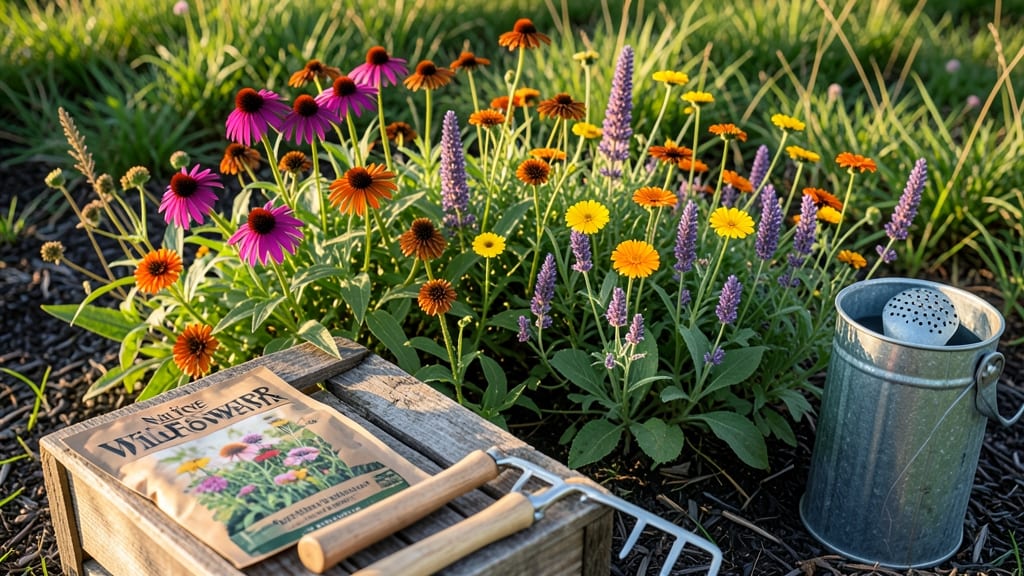
Planting wildflower seeds 🌼 in Zone 9 at the wrong time could mean watching your dream meadow fizzle before it even begins. The key to vibrant blooms lies in understanding when to plant wildflower seeds—because in this climate, timing beats luck every time.
Most gardeners in Southern California or Phoenix assume spring is the only window, but that’s not always true. Cool fall months actually give seeds the best chance to establish roots before summer’s relentless heat arrives.
I’ll show you the exact months that work—and why skipping them could leave you with patchy results.
What you’ll discover is that Zone 9’s unique microclimates (from coastal breezes to desert heat) demand different approaches. Whether you’re in 9a-9b or Florida’s edge, I’ll break down the best planting schedule to ensure your wildflowers thrive year-round with minimal fuss.
Ready to skip the guesswork? Let’s turn your landscape into a blooming paradise—starting with the one critical decision that makes all the difference.
Best months to plant wildflower seeds in Zone 9 for maximum blooms
In Zone 9, where winters are mild and summers scorching, timing your wildflower seeds correctly determines whether you'll get a lush, year-round display or sparse blooms. Unlike cooler climates, Zone 9’s 300+ frost-free days mean you can plant almost year-round—but there’s a sweet spot for optimal results.
Most gardeners swear by fall planting because cooler temps and winter rains give seeds the perfect start before summer heat arrives.
However, regional differences matter. Southern California and Arizona have hot, dry summers, while Florida’s humidity and occasional summer rains create unique conditions. For example, Phoenix gardeners often plant in November to avoid monsoon downpours, while Miami’s longer growing season allows for spring planting as early as February.
Let’s break down the best windows for each season and region.
Fall planting is my top recommendation for most of Zone 9 because it aligns with natural rainfall patterns. In Southern California, for example, October is ideal—temperatures hover around 65–75°F, and seeds germinate slowly but steadily as winter rains arrive.
This method ensures strong root establishment before summer’s heat peaks. For Arizona’s desert climate, aim for November to miss the monsoon season’s intense downpours, which can wash seeds away.
Spring planting in March–April works well for drought-tolerant mixes, especially in Florida’s inland areas where humidity is lower. The key is to plant before May’s scorching heat sets in.
I’ve seen stunning results with California poppies and lupines when sown in early spring, but they require consistent moisture until roots establish. Pro tip: Use a light mulch to retain soil moisture during these critical weeks.
Winter planting is less common but can be effective in Florida’s northern regions, where December–February temps stay mild (50–65°F). This approach takes advantage of cooler nights and reduced pest activity.
However, avoid planting in frost pockets (even rare in Zone 9) or areas with poor drainage, as excess moisture can rot seeds. If you choose this window, opt for native wildflowers like blanket flower, which handle winter’s occasional chill better than tender annuals.
Regardless of season, soil temperature is your best guide. Use a soil thermometer to confirm temps are below 85°F—any hotter, and seeds risk drying out before germination. I test mine in the early morning for accuracy.
Another trick? Plant after a rain to skip watering for the first 2 weeks. This is especially useful in Arizona’s unpredictable monsoon season, where sudden storms can create perfect planting conditions.
One mistake I’ve seen Zone 9 gardeners make is planting too late in spring (May or June). By then, the ground can feel like an oven, and seeds often fail to sprout or grow leggy.
If you miss fall, your next best bet is early spring, but be prepared to water daily until seedlings are 2 inches tall. For container gardens, this is easier to manage—just keep pots in partial shade until roots establish.
For year-round blooms, stagger your plantings: Sow half your seeds in fall (October) and the other half in early spring (March). This ensures continuous color from winter through summer. In Florida, you can even squeeze in a small winter crop (December) for early spring blooms. Just remember:
How to prepare your Zone 9 soil and site for wildflower success
Zone 9’s warm climate means wildflowers need the right soil prep to beat summer’s heat. Unlike cooler zones, your soil must retain moisture while draining well—too much clay or sand can spell disaster.
I’ve learned the hard way that skipping this step leads to stunted growth or seeds that never sprout. Let’s fix that.
Start by testing your soil’s drainage and pH. Most wildflowers thrive in slightly acidic to neutral soil (pH 6.0–7.0). If your soil is heavy clay, mix in sand or compost to loosen it.
For sandy soil, add organic matter like compost or peat moss to help retain moisture. This balance is critical—wildflowers hate soggy roots but also can’t handle drought once established.
Next, clear the area of weeds and debris. Wildflowers compete fiercely with invasive plants, so remove any existing vegetation. Use a broadfork or light raking to aerate the top 2–3 inches of soil without disturbing deeper layers.
Over-tilling can compact soil again, defeating your prep work. Think of it like fluffing a pillow—just enough to create space for roots.
⚠️ callout-warning ⚠️
Tilling too deeply (beyond 3 inches) can bring up hardpan layers, making drainage worse. Instead, use a broadfork or hand rake to loosen just the topsoil. Wildflowers have shallow roots—they don’t need deep soil, just well-aerated topsoil.
Pro Tip: If your soil is rocky or uneven, spread a 1-inch layer of compost over the area and lightly rake it in. This mimics natural wildflower habitats where seeds land on disturbed, nutrient-rich soil.
Choose your planting site carefully. Wildflowers need 6+ hours of sunlight daily, but in Zone 9, afternoon shade can be a lifesaver during peak summer heat. If possible, plant near existing shrubs or trees to create microclimates—these can provide shade while still allowing sunlight through.
Avoid low-lying areas where water pools, as wildflowers despise soggy conditions.
For drainage solutions, consider raised beds or mounds if your yard floods easily. Even a slight elevation (4–6 inches) can prevent waterlogging. If you’re planting in a slope, create swales or berms to direct water away from seeds.
Remember, wildflowers in their natural habitats grow where water runs off quickly—mimic that.
Finally, add a light mulch layer (¼ inch) of straw or wood chips after planting. This keeps soil moist, suppresses weeds, and regulates temperature. Avoid thick mulch—it can smother seeds. Think of it as a protective blanket for your wildflowers, especially during their first critical weeks of growth.
With these steps, your Zone 9 soil will be ready to welcome wildflowers like a pro. Now you’re set to plant with confidence—no more guessing games or failed blooms! 🌿