
Flowers
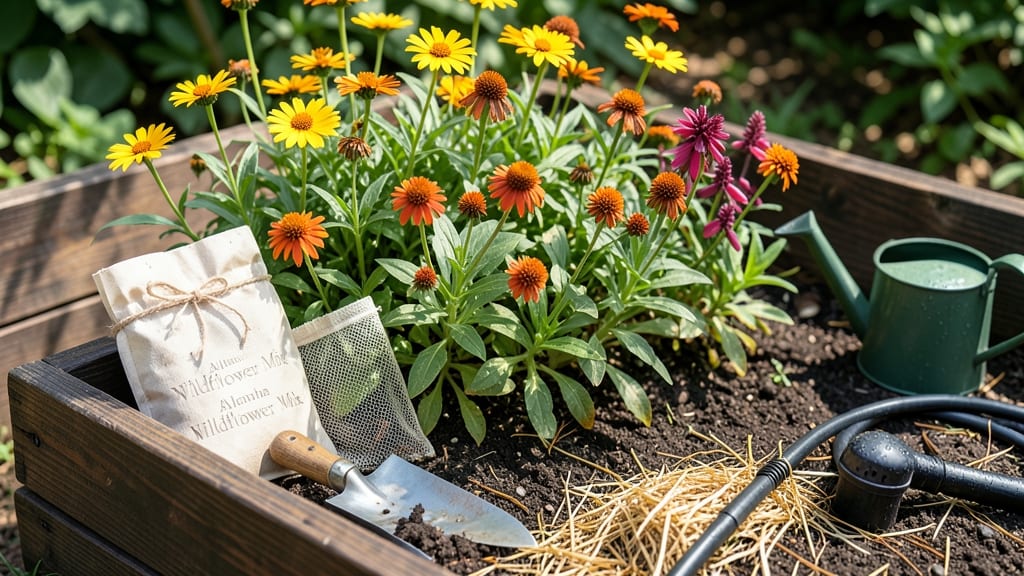
Planting wildflowers in Alabama at the wrong time can mean skipping the vibrant blooms you dream of—especially when balancing frost risks and heat zones across the state.
With Alabama’s 7a-8b climate zones, timing matters more than you might think. Whether you’re in North Alabama where frost lingers or South Alabama’s warmer stretches, knowing exactly when to plant ensures your wildflowers thrive from March to October.
I’ll break down the best windows for spring and fall plantings, so you can avoid common mistakes and enjoy a garden bursting with 🌼 color all season long.
From preparing your soil to choosing the right seeds for your region, I’ve got the practical tips you need. Whether you’re a beginner or a seasoned gardener, these insights will help you make the most of Alabama’s perfect growing conditions.
Let’s dive into the ideal planting schedule—so you can start enjoying your wildflower meadow sooner than you think!
Alabama’s best wildflower planting windows by region (frost dates & heat zones)
Alabama’s diverse climate—from the cool mountain regions of North Alabama to the humid lowlands of the South—means wildflower planting windows vary dramatically. In Zone 6A (northwest Alabama), you’ll face earlier frosts and shorter growing seasons, while Zone 8B (southern Alabama) enjoys longer frost-free periods.
Getting the timing right ensures your Black-Eyed Susans and Coreopsis bloom reliably year after year.
Most Alabama gardeners focus on two key planting windows: spring (February–April) and fall (August–September). Spring plantings give flowers a head start before summer heat, while fall plantings establish roots before winter dormancy.
But the exact timing depends on your USDA heat zone and local frost patterns. Let’s break it down by region so you can plant with confidence.
🌱
| Region & Zone | Avg. Last Frost | Avg. First Frost | Best Spring Planting Window | Best Fall Planting Window | Top Wildflowers for Zone |
|---|---|---|---|---|---|
| North AL (6A) (e.g., Huntsville, Decatur) |
March 15–20 | November 5–10 | March 1–April 15 (After last frost) |
August 15–September 15 (6–8 weeks before frost) |
Black-Eyed Susan, Coreopsis, Purple Coneflower |
| North-Central AL (6B–7A) (e.g., Birmingham, Montgomery) |
March 1–10 | November 10–15 | February 28–April 10 | August 1–September 10 | Butterfly Weed, Blanket Flower, Goldenrod |
| Central AL (7B) (e.g., Auburn, Selma) |
February 28–March 5 | November 15–20 | February 15–March 31 | July 31–September 5 | Mexican Sunflower, Zinnias, Cosmos |
| South AL (8A) (e.g., Dothan, Troy) |
February 15–20 | November 20–25 | February 1–March 15 | July 15–August 31 | Lantana, Salvia, Firewheel |
| Southwest AL (8B) (e.g., Mobile, Pensacola) |
February 1–10 | November 25–December 5 | January 15–February 28 | June 15–August 15 | Plumbago, Portulaca, Bee Balm |
If you’re in Zone 6A, wait until March 1 to plant spring wildflowers—earlier sowings risk frost damage. For Zone 8B, you can start as early as January 15 and still enjoy blooms by spring.
Fall plantings follow the same logic: Zone 6A gardeners should finish by September 15, while Zone 8B can extend to August 15.
For early bloomers like Coreopsis, aim for late winter plantings in warmer zones. Late bloomers such as Black-Eyed Susans thrive with spring plantings and reward you with summer-to-fall color. Pro tip: Pre-soak seeds for 24 hours before planting to improve germination rates in Alabama’s clay-heavy soils.
🌿
Adjust your schedule if you experience unusually early or late frosts. Check local Alabama Cooperative Extension reports for real-time updates. For example, if your area had a hard freeze in November, push fall plantings to August instead of September.
Similarly, if spring arrives early, you can start sowing wildflower seeds in February—just cover them with row fabric for protection.
Don’t forget that soil temperature matters just as much as air temperature. Wildflower seeds need soil temps of at least 60°F to germinate. Use a soil thermometer to confirm readiness—especially in Zone 6A, where cool soils delay growth.
In warmer zones like Zone 8B, you can plant earlier without worrying about cold damage.
🌸
Once your wildflowers are established, they’ll self-seed and spread naturally, creating a low-maintenance meadow. But getting that first planting right is critical.
By following these region-specific windows, you’ll avoid the most common mistakes—like planting too early and losing seeds to frost or waiting too long and missing the peak bloom season.
How to choose wildflower seeds for Alabama’s climate (drought-tolerant vs. shade-loving varieties)
Alabama’s diverse climate means you can grow a stunning mix of wildflowers—but not all seeds thrive equally. Drought-tolerant varieties like Purple Coneflower and Black-Eyed Susan handle Alabama’s heat and occasional dry spells with ease, while shade-loving options like Virginia Bluebells and Bloodroot brighten wooded areas.
Choosing the right mix ensures your garden stays vibrant year-round, whether you’re dealing with clay-heavy soil or sandy patches.
Native wildflowers are my top recommendation for Alabama gardens. They’ve evolved to thrive in local conditions, requiring less water and maintenance once established. Plus, they support pollinators like bees and butterflies, creating a thriving ecosystem.
For example, Butterfly Weed attracts monarchs, while Coreopsis blooms reliably in both sun and partial shade. Non-native workhorses like Cosmos and Zinnias also perform well, offering bold colors with minimal fuss.
Alabama’s USDA zones 7a-8b mean you can plant wildflowers in both spring and fall. Spring planting (March-April) gives flowers time to establish before summer heat, while fall planting (August-September) avoids early-season drought.
For drought-tolerant varieties, focus on species like Blanket Flower or Mexican Sunflower, which store water efficiently. Shade-loving wildflowers, such as Columbine or Wild Ginger, prefer cooler, moister conditions and do best in partial shade.
Drought-Tolerant Wildflowers for Alabama
- Thrives in low-water conditions
- Supports pollinators year-round
- Minimal maintenance needed
- Limited shade tolerance
- May reseed aggressively
- Some varieties attract pests
Shade-Loving Wildflowers for Alabama
- Thrives in wooded areas
- Adds color to shady spots
- Supports hummingbirds
- Requires moist soil
- Slower growth rate
- Limited sun exposure options
When selecting seeds, consider your garden’s microclimates. Even in full sun, some areas may stay cooler due to tree shade or reflective surfaces. For example, Goldenrod loves sun but can tolerate partial shade, making it versatile for mixed-light gardens.
If your yard has heavy clay soil, mix in compost or sand to improve drainage—this helps drought-tolerant species like Gayfeather thrive without root rot.
For beginner-friendly options, I recommend starting with a mix of Cosmos and Zinnias. They’re easy to grow, bloom quickly, and attract butterflies. Pair them with native wildflowers like Partridge Pea for a low-maintenance, high-impact garden.
Always check seed packets for light and soil requirements, as even drought-tolerant varieties can struggle in waterlogged conditions.
Remember, the key to a successful wildflower garden in Alabama is diversity. Mix tall varieties like Joe Pye Weed with low-growing options such as Wild Bergamot to create layers of color and texture.
With the right choices, your garden will become a pollinator paradise that blooms from spring to frost—no matter where you are in the state! 🌼