
Flowers
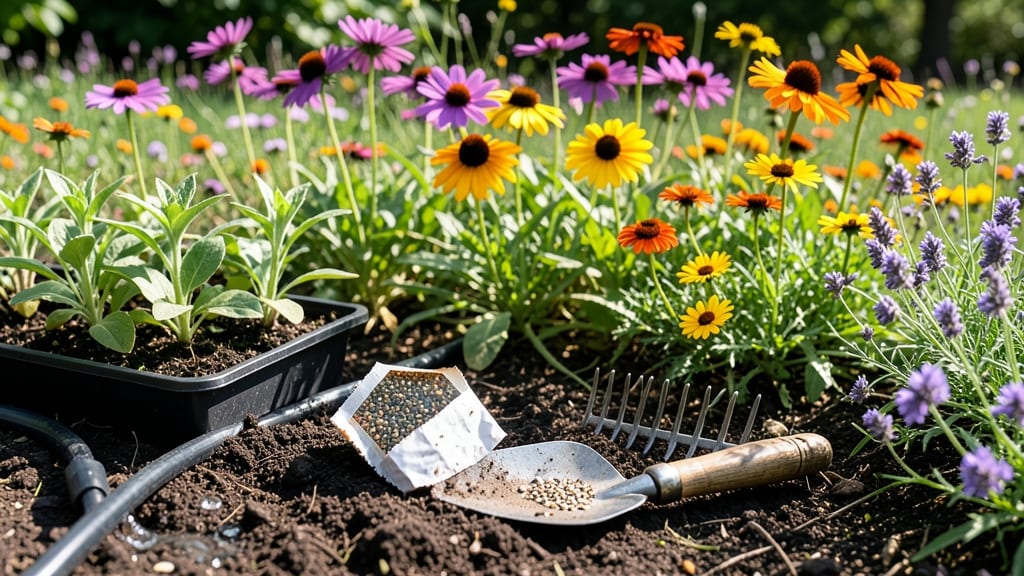
Planting wildflowers in Michigan at the wrong time can mean waiting months for those vibrant blooms—or worse, watching them wilt before they even take root.
The key to a thriving meadow isn’t just choosing the right 🌼 varieties; it’s knowing exactly when to plant them in your USDA Zone 5b-6b region.
Spring planting works best after the last frost (typically mid-April), but fall is also a smart move—just 4-6 weeks before your first frost in October.
I’ll break down the exact frost-free windows for Detroit, Grand Rapids, and Traverse City, so you can avoid common mistakes like planting too early or missing the perfect seed-sowing moment.
Whether you’re sowing seeds or transplanting young plants, timing makes all the difference. You’ll learn which wildflowers thrive in Michigan’s climate, how to prep your soil for success, and even how to extend blooms all season long—without overwatering or fertilizing.
Ready to skip the guesswork? Let’s dive into the frost-free timeline that’ll turn your garden into a pollinator paradise year after year.
Michigan wildflower planting timeline by USDA Zone 4b-5b (with frost dates)
Timing your wildflower planting in Michigan’s USDA Zones 4b-5b means working with frost dates that vary by 1-2 weeks across regions like Detroit, Grand Rapids, and Traverse City. Spring plantings should happen after the last frost, while fall plantings give seeds time to germinate before winter.
Let’s break down the exact windows to avoid frozen seedlings or missed blooms.
For spring planting, aim to sow seeds 2-4 weeks after your area’s average last frost date.
In Detroit (Zone 5b), that’s typically mid-April, while Traverse City (Zone 4b) often waits until late April. Transplants can go in slightly earlier—about 1-2 weeks ahead—since they’re more established.
Fall planting offers a second chance for warm-season wildflowers like black-eyed Susans or coneflowers. Sow seeds 4-6 weeks before your first frost, which usually falls in mid-October. This gives seeds time to germinate and develop root systems before winter dormancy.
Here’s a quick reference for key frost dates in Michigan’s major cities:
If you’re planting native wildflowers, consider their natural germination cycles. Some, like wild bergamot, thrive when sown in early spring, while others, such as goldenrod, prefer fall planting.
Always check seed packets for specific instructions, as some varieties need stratification (a cold period) to break dormancy.
For transplanting wildflower plugs, start 1-2 weeks earlier than seeds, as they’re less vulnerable to frost damage. However, avoid transplanting in extreme heat (above 85°F), which can shock roots. Early morning or late afternoon planting is ideal to reduce stress.
One common mistake is planting too early in spring, only to have seedlings frosted out. To hedge your bets, use row covers or plant in protected microclimates, like near south-facing walls. For fall plantings, focus on well-draining soil to prevent waterlogged roots before winter.
Pro tip: Mark your planting dates on a calendar and track local frost alerts via apps like Old Farmer’s Almanac. Adjust timelines if unusually early/late frosts occur. With the right timing, your Michigan wildflower meadow will burst into color from spring through fall.
Remember, native wildflowers are the easiest to grow in Michigan—they’re already adapted to local soil and climate. Start with low-maintenance species like purple coneflower or black-eyed Susan for foolproof results.
Best wildflowers for Michigan’s climate (by season and soil type)
Michigan’s diverse climate—from the Great Lakes’ cooler shores to the warmer inland regions—creates perfect conditions for native wildflowers that thrive with minimal fuss. The key is matching the right 🌼 varieties to your soil type and sunlight exposure.
Whether you have clay-heavy soil in Detroit or sandy loam near Traverse City, there’s a wildflower that will flourish.
Spring ephemerals like trillium and bloodroot bloom early before trees leaf out, while summer perennials such as black-eyed Susan and coneflower take center stage from June to September.
Fall-blooming varieties like goldenrod and aster extend the season’s color palette until frost. Let’s dive into the best choices for each season and soil type.
🌱 Numbered Highlights: Wildflower Planting by Season & Soil
- Spring Ephemerals (March-April): Plant trillium and bloodroot in well-draining, moist soil with partial shade—ideal for woodland gardens.
- Summer Perennials (May-July): Sow coneflower and black-eyed Susan in full sun with average garden soil—perfect for prairie-style meadows.
- Fall Bloomers (August-October): Choose goldenrod and aster for dry, sandy soil in full sun—great for late-season pollinators.
- Clay Soil Solutions: Amend with compost and plant wild bergamot or butterfly weed, which tolerate poor drainage.
- Sandy Soil Solutions: Opt for coreopsis or beebalm, which thrive in fast-draining conditions with mulch to retain moisture.
For clay-heavy soils, focus on wildflowers like wild bergamot (Monarda fistulosa) or butterfly weed (Asclepias tuberosa), which handle moisture retention better than others.
These plants also attract monarch butterflies and hummingbirds, adding extra value to your garden. Just loosen the soil with a broadfork before planting to improve aeration.
If your garden leans toward sandy loam, prioritize coreopsis (Coreopsis lanceolata) or beebalm (Monarda didyma). These varieties love well-draining soil and full sun, making them ideal for xeric landscapes or rock gardens.
A 2-inch layer of mulch will help retain moisture and suppress weeds.
Don’t overlook partial-shade spots, where trillium (Trillium grandiflorum) and wild ginger (Asarum canadense) shine. These spring ephemerals thrive under deciduous trees and disappear by early summer, leaving room for other plants to take over. They’re perfect for shady woodland gardens or understory plantings.
To keep your wildflower garden thriving, deadhead spent blooms in late summer to encourage second flushes of flowers. Avoid over-fertilizing—most native wildflowers prefer low-nutrient soil and will reward you with bold blooms and long-lasting color with minimal effort.