
Flowers
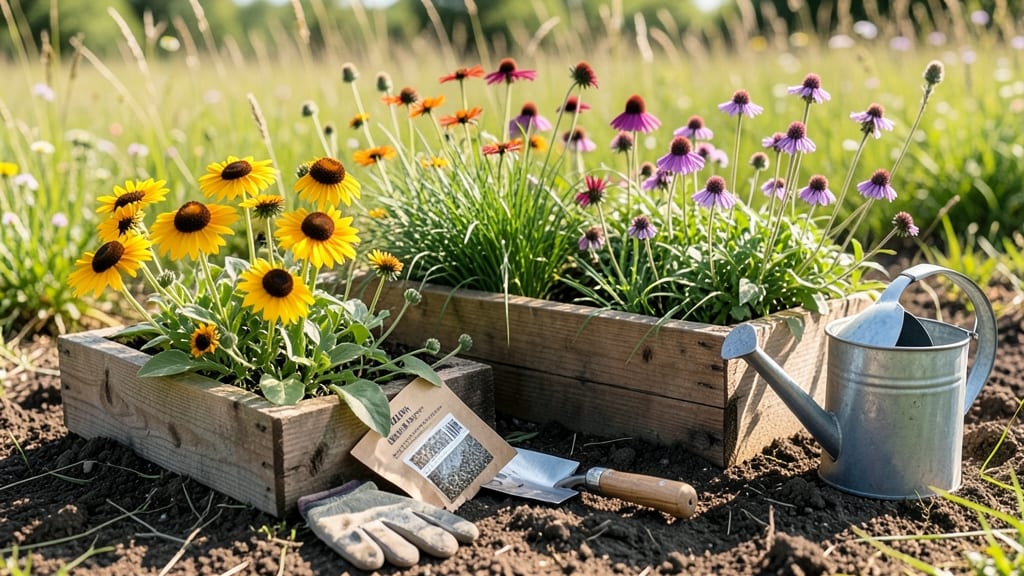
Planting wildflowers in Pennsylvania at the wrong time can mean the difference between a vibrant meadow and a failed garden. The key isn't just picking the right seeds—it's knowing when to plant them so they thrive in your specific USDA zone (5a-7a).
Whether you're in the cooler northeast or the milder southeast, timing matters more than you might think.
Most gardeners swear by early spring planting, but fall can actually be even better for wildflowers like black-eyed Susans and coneflowers. The secret lies in avoiding late frosts while giving seeds time to establish roots before winter.
I’ll break down the exact windows for both seasons, so you never miss the perfect moment to scatter your 🌼 seeds.
You might be surprised to learn that some wildflowers bloom faster in cooler weather, while others need the warmth of late spring. I’ll share which varieties work best for Pennsylvania’s climate and how to adjust your planting schedule based on your county’s frost dates.
No more guesswork—just a foolproof plan for a garden that bursts with color year after year.
Ready to transform your yard into a pollinator paradise? Let’s dive into the best months to plant, soil prep tips, and even how to handle tricky microclimates. Your future meadow starts with the right timing—and I’ve got you covered.
Pennsylvania’s wildflower planting calendar by heat zone and county
Pennsylvania’s diverse climate zones (USDA 5a-7a) create unique planting windows for wildflowers. Whether you're in cooler northern counties like Erie or warmer southern regions like Chester, timing matters. Spring planting should happen after the last frost, while fall planting benefits from 6-8 weeks before first frost for root establishment.
Annual wildflowers like cosmos and zinnias thrive when planted in late spring, while hardy perennials such as black-eyed Susans and purple coneflowers prefer early fall planting. Understanding your local heat zone ensures your wildflowers establish strong roots before harsh winters or scorching summers.
Below is a county-by-zone breakdown of ideal planting months, tailored to Pennsylvania’s 7 USDA heat zones. Use this as your guide to maximize blooms and minimize frost risk.
In northern Pennsylvania (Zones 3-5), wildflowers planted in late May avoid late frosts, while fall planting should wrap up by late August. These cooler zones benefit from early blooming species like wild columbine and blue flag iris, which tolerate shorter growing seasons.
For central and southern counties (Zones 6-8), March-April is ideal for spring planting, allowing seeds to germinate before summer heat arrives. Fall planting here can extend into early October, giving perennials time to establish roots. Native species like butterfly weed and goldenrod thrive in these warmer zones.
Always check your local weather forecasts before planting, as microclimates can shift frost dates by 1-2 weeks. For example, Philadelphia’s urban heat island may delay first frost by up to 10 days compared to rural Chester County. Adjust your timeline accordingly for consistent blooms year after year.
Pro tip: Use a soil thermometer to confirm ground temperatures are above 50°F (10°C) before sowing seeds. This simple step prevents seed rot
How to adjust planting timing for Pennsylvania’s microclimates
Pennsylvania’s diverse geography means your neighbor’s perfect planting time might not work for you. Urban areas like Philadelphia or Pittsburgh often experience heat islands—warmer pockets that can shift planting windows by weeks. Meanwhile, rural areas in the Poconos or Allegheny Plateau may face later frosts, delaying your ideal window.
Elevation plays a huge role too. For every 1,000 feet gain, temperatures drop about 3.5°F. That means wildflowers planted at 2,000 feet in Bedford County might need a 2-week delay compared to lowland areas near Harrisburg. Always check your local USDA zone (5a-7a) and adjust accordingly.
Soil temperature is your best friend when timing wildflower planting. Use a soil thermometer to confirm the ground has warmed to at least 50°F for spring plantings or cooled to 60-70°F in fall. This ensures seeds germinate quickly without rotting in cold, damp soil.
I’ve found that late April is ideal for most of central PA, but don’t rush—waiting a week can save your seeds from a surprise frost.
⚠️ callout warningUrban gardeners often overestimate warmth—concrete and pavement can create false heat signals. Always plant based on soil temperature, not air temperature. Rural areas with high elevation risk late frosts; extend your season with frost blankets or cold frames if needed.
Pro tip: Monitor your local National Weather Service frost alerts. A single 28°F night can devastate young seedlings, even in late May.
Microclimates also affect fall planting. While September is prime for most of PA, mountain regions like Lackawanna County may need to wait until mid-October to avoid winter kill. Test your soil’s readiness by pressing your finger 2 inches deep—if it feels cool but not frozen, your seeds are safe.
Extend your growing season with simple tools. A frost blanket (lightweight row cover) can add 4-6°F of protection, letting you plant 2-3 weeks earlier in spring or 1-2 weeks later in fall.
For high-value wildflower beds, consider a cold frame—it’s like a mini greenhouse that preserves warmth without full greenhouse costs.
Don’t forget about rainfall patterns. Urban areas may need more frequent watering due to runoff, while rural fields might require less intervention. Once established, most wildflowers thrive on drought tolerance, but young seeds need consistent moisture. Aim for 1/4 inch of water weekly until germination.