
Flowers
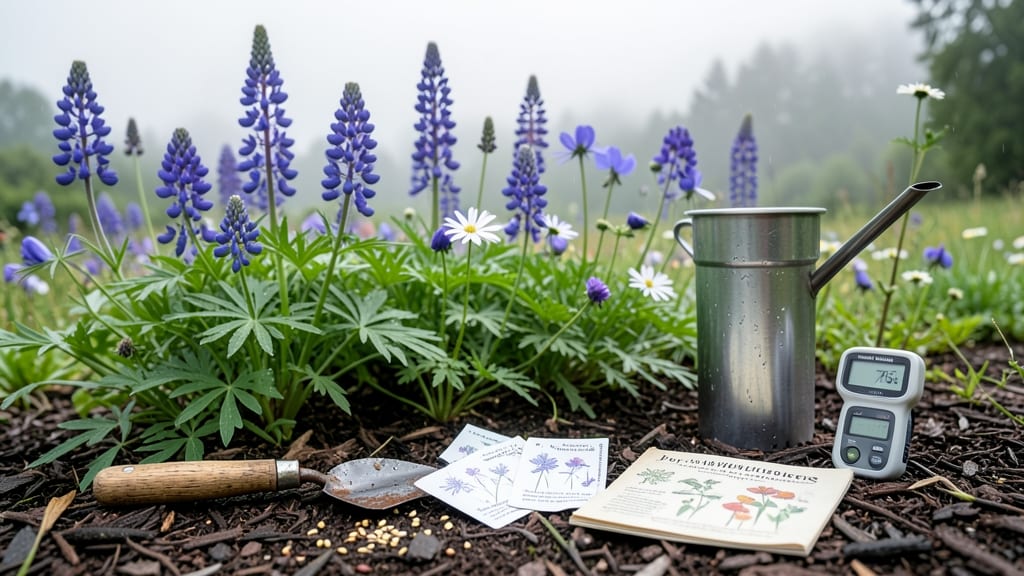
Planting wildflowers in the Pacific Northwest at the wrong time can leave you staring at bare soil instead of a blooming meadow. The secret to vibrant 🌼 displays lies in understanding your specific zone—whether you're in the cooler coastal areas or inland regions with warmer summers.
Most gardeners in zones 7b-9a get it right by planting in late winter to early spring, but there's a second window in late summer that many miss. This timing isn't just about months—it's about soil temperatures, frost dates, and which native species thrive when planted.
I've tested different schedules with PNW wildflowers, and what works best depends on whether you're growing annuals that bloom fast or perennials that need time to establish roots. Let me show you the exact schedule that'll give you continuous color from spring through summer.
From preparing your soil to choosing the right varieties for your microclimate, this guide covers everything you need to turn your landscape into a pollinator paradise. Ready to transform your yard?
Pacific Northwest wildflower planting calendar by USDA hardiness Zones
The Pacific Northwest spans USDA Zones 6-9, creating unique planting windows for wildflowers. Coastal areas like Seattle (Zone 8) have milder winters, while inland Spokane (Zone 6) faces colder snaps. Mountain regions like Mount Rainier may experience earlier frosts. Understanding these variations ensures your wildflowers thrive year-round.
Most native wildflowers thrive when planted in early spring (March-April) or late summer (August-September). Spring planting gives roots time to establish before summer heat, while fall planting avoids drought stress. Each USDA Zone has slight adjustments based on frost dates and rainfall patterns.
For Zone 6 (Spokane, Wenatchee), focus on cold-hardy species like lupines and blanket flower. In Zone 7 (Portland, Eugene), expand to columbines and yarrow. Zone 8 (Seattle, Olympia) supports longer blooming seasons for black-eyed Susans and coneflowers.
Zone 9 (Redding, Medford) allows year-round planting for drought-tolerant varieties.
🌱
In Zone 6, prioritize spring planting (March-April) for perennials like lupines. Their roots need time to establish before winter. Fall planting (August-September) works for annuals such as blanket flower, which germinate quickly in cooler temperatures. Avoid planting before last frost dates, typically mid-April in Zone 6.
For Zone 7, you have flexibility with February-April or July-August planting. Columbines thrive in early spring, while yarrow benefits from late summer sowing. Coastal areas in Zone 7 (like Astoria) can extend planting into January due to milder winters.
Zone 8 gardeners enjoy the longest planting windows, from January to September. Black-eyed Susans and coneflowers love the extended growing season. Plant annuals in late winter (January-February) for summer blooms, or sow perennials in June-July for fall color. Rainfall patterns matter—plant in dry spells to prevent soil erosion.
In Zone 9, focus on drought-tolerant species like blanket flower and lavender.
Plant annuals in December-April to avoid summer drought stress. Perennials can be sown in May-September, but water deeply during establishment. Mountain regions in Zone 9 (like Crater Lake) may need earlier planting due to cooler nights.
Regional microclimates play a huge role. Coastal areas (e.g., Olympia) stay wetter longer, while inland valleys (e.g., Walla Walla) dry out faster. Adjust planting dates by 1-2 weeks based on local conditions. For example, mountain slopes may need earlier spring planting due to late frosts.
🌿
Pro tip: Use seed packets with Pacific Northwest-specific varieties for best results. Many commercial mixes include non-native species that may struggle in local climates. For pollinator-friendly meadows, combine early bloomers (lupines) with late-season flowers (yarrow) to support bees year-round.
Finally, test your soil before planting. PNW soils often lack phosphorus, which wildflowers need for root growth. Amend with compost or bone meal
Best wildflower varieties for Pacific Northwest planting times
The Pacific Northwest's diverse climate means some wildflowers thrive when planted in early spring, while others prefer late summer. Native species like lupines and blanket flower have specific germination windows that align with soil temperatures and rainfall patterns.
I've planted these varieties for years, and the difference between a thriving meadow and a failed patch often comes down to timing.
For coastal areas (Zones 7b-8a), focus on early spring planting (March-April) when soil temperatures stabilize above 40°F. Inland regions (Zones 8b-9a) can extend planting into late summer (August-September) to take advantage of fall rains.
The key is matching each variety's cold tolerance and growth cycle with your local frost dates.
Here's my proven schedule for the top PNW wildflower varieties, including when to sow seeds for maximum blooms:
Plant in late winter (Feb-Mar) for spring blooms or late summer (Aug-Sept) for fall establishment. These nitrogen-fixing plants need 60-90 days to germinate in cool soils.
Sow seeds directly in fall (Sept-Oct) or early spring (Mar-Apr) after last frost. Cold stratification improves germination rates by 30-40%.
Plant March-April or August-Sept for biennial blooms. Prefers full sun and tolerates drought once established.
Sow April-May after soil warms to 55°F+. Thrives in poor soils and hot summers, making it ideal for inland PNW.
Direct sow March-April for summer blooms. Needs consistent moisture during germination but drought tolerance once mature.
Sow late summer (Aug-Sept) for spring blooms. Prefers well-draining soil and full sun—ideal for coastal gardens.
Perennials like lupines and columbines establish best when planted in early spring, giving roots time to develop before summer heat. Annuals such as larkspur and blanket flower can handle late summer planting because they complete their life cycle quickly.
I've found that fall-planted columbines often outperform spring-sown ones due to natural cold stratification.
Pro tip: For coastal gardens, prioritize moisture-loving varieties like columbines and asters, while inland areas benefit from drought-tolerant choices like yarrow and blanket flower. Always check your local last frost date—even a few degrees difference can mean the difference between thriving plants and seedling loss.
Start with these varieties, and you'll have a pollinator-friendly meadow that blooms from spring through fall. The key is matching each plant's germination needs with your local climate—don't rush the process, and your wildflowers will reward you with vibrant color year after year. 🌼