
Container Gardens
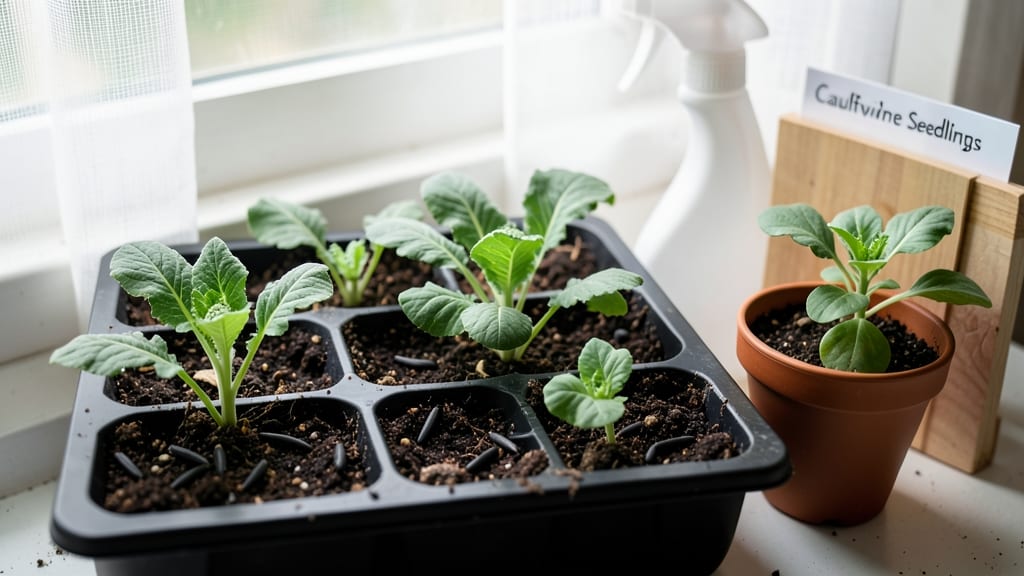
To grow zero-bolt cauliflower 🥬 that rivals grocery store quality, timing is everything—and starting those seeds indoors at the right moment makes all the difference. The 8-week rule isn’t just a suggestion; it’s the secret to avoiding bitter disappointment when your plants bolt too early or struggle to form heads.
I’ve learned the hard way that rushing or delaying those early starts can turn a promising crop into a sad, leafy mess. Whether you’re in Zone 6a or another climate, knowing when to begin gives your cauliflower seedlings the perfect head start—literally.
Let’s break down the exact dates and conditions to set you up for success.
Most gardeners start cauliflower seeds indoors in February or early March, but the real magic happens in the 6-8 weeks before your last frost date. That window ensures your seedlings are sturdy enough for transplanting without shocking their roots.
We’ll cover how to adjust for your specific region and avoid common pitfalls.
By the end, you’ll know exactly when to plant, how to prep your seedlings, and which varieties handle indoor starts best. No more guesswork—just perfect heads ready for harvest by summer.
Optimal indoor start dates for cauliflower by US growing Zones
Cauliflower thrives when you follow the 6-8 week indoor rule before transplanting, but the exact start date depends entirely on your USDA growing zone. In Zone 3, where winters are brutal, you’ll begin seeds indoors as early as January 15 to avoid late-season heat stress.
Meanwhile, gardeners in Zone 10 can start seeds indoors anytime from January through March—thanks to their mild winters and longer growing seasons.
Your last frost date is the anchor for timing, but regional quirks matter too. For example, Southern gardeners in Zones 7-10 can push starts slightly later (February-March) because their frost-free windows are longer.
Northern growers in Zones 3-6, however, need to start earlier to compensate for shorter seasons and cooler soils.
The key is to transplant seedlings outdoors when they’re 6-8 weeks old and your soil temperature reaches 45°F or higher. Too early, and your plants will wilt; too late, and they’ll bolt from heat stress.
Let’s break down the exact dates for each zone to ensure your cauliflower heads stay perfect and bolt-free.
Pro Tip: Use your average last frost date as your starting point, then count backward 8 weeks for transplanting. For example, if your last frost is May 1, start seeds indoors by March 1.