
Flowers
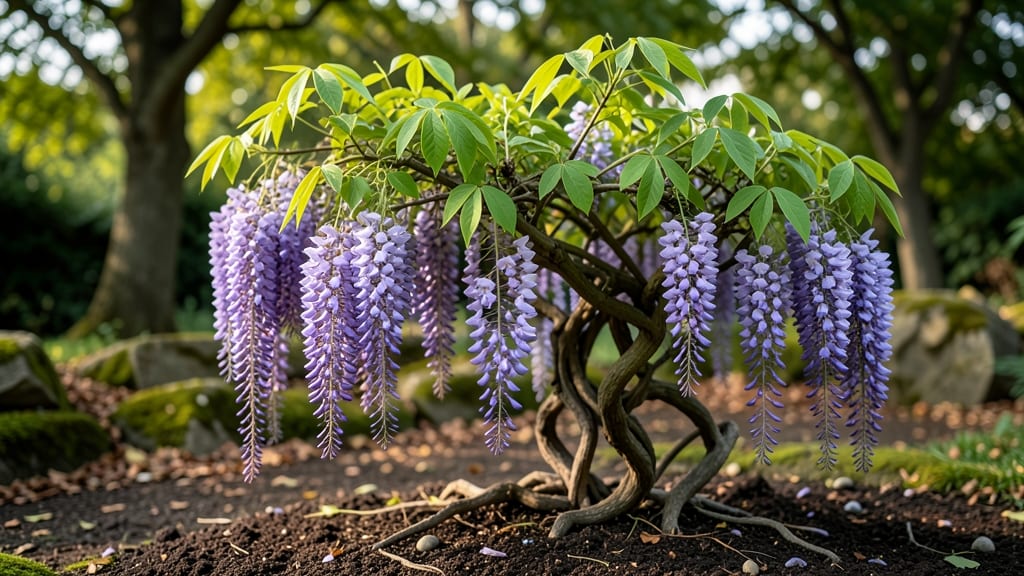
Timing your wisteria flower time can mean the difference between a breathtaking spring display and waiting another year for those fragrant purple clouds to appear. If you've ever watched buds swell only to fade before blooming—or worse, never open at all—you know how frustrating it can be.
Here's the thing: wisteria 🌸 thrives on precision, and getting it right means understanding your local climate, pruning habits, and even the age of your plant. I've helped gardeners in Zone 6a and beyond coax their vines into reliable blooms by mastering these key factors.
Whether you're dealing with late frosts or aggressive summer heat, the right adjustments can shift your flowering window by weeks.
What if I told you that 3 simple pruning tricks could force earlier blooms—or even save a struggling vine? We'll cover exactly when to cut, how to spot signs of readiness, and what to avoid that might delay those show-stopping flowers.
Let's turn your wisteria from a maybe into a guaranteed spring spectacle.
From recognizing the perfect bud color to adjusting care based on your region, you'll learn how to create ideal conditions for your wisteria's best possible bloom time. No more guessing—just reliable, vibrant flowers year after year.
Exact wisteria flowering months by US planting Zone (with visual guide)
Wisteria’s fragrant blooms transform gardens into dreamy purple clouds—but their timing varies wildly by zone. In Zone 3, you might see flowers by late May, while Zone 9 wisterias burst into bloom as early as February.
Understanding these zone-specific windows helps you plan pruning, fertilizing, and even wedding photo shoots under your vine! Microclimates (like urban heat islands) can shift blooms by 2-4 weeks, so local observations matter.
Most gardeners assume wisteria blooms in late spring, but that’s only true for Zones 5-7. Southern varieties (Zones 8+) often flower in winter or early spring, while northern climates (Zones 3-4) may wait until June.
The key? Your wisteria’s hardiness zone and cultivar type (Chinese vs. Japanese) dictate everything. Let’s break it down by zone so you can predict—and celebrate—your vine’s peak bloom window.
Your wisteria’s peak bloom depends on whether it’s a spring bloomer (like Amethyst Falls) or a summer bloomer (like Prolific). Spring varieties rely on cold winter dormancy to trigger buds, while summer types bloom on current season’s growth.
In Zones 5-7, prune after blooms fade to encourage next year’s flowers. But in Zones 8-10, prune immediately after flowering to avoid missing the window entirely.
Microclimates can shift your wisteria’s schedule by weeks. A south-facing wall in Zone 4 might push blooms into late April instead of June, while coastal fog in Zone 8 can delay flowers until late April.
Use these adjustments: Add 1 week for urban heat, subtract 2 weeks for desert climates, and add 3 weeks if your vine faces north. Track your vine’s bud swelling in late winter to predict the exact week!
Predicting your wisteria’s peak bloom starts with bud observation. In Zones 3-6, buds swell in late April, while Zones 7-10 see buds by February. Color change from green to pink signals 3-5 days until blooms.
Pro tip: Take a photo of your buds in early spring and compare weekly—the color shift is your countdown! For white wisteria (like Alba), buds may look cream-colored before opening.
If your wisteria skips blooming, check your pruning habits. Over-pruning last year’s growth removes flower buds, which form on 2-year-old wood. In Zones 5-7, prune after blooms drop to preserve next year’s flowers.
In Zones 8-10, prune right after flowering to encourage summer regrowth. Fertilizer timing also matters: Apply balanced 10-10-10 in early spring (before buds swell) to fuel blooms.
For early blooms, plant Chinese wisteria (like Prolific) in Zones 5-82-4 weeks earlier than Japanese types. In Zones
How to force wisteria to bloom earlier (or later) using pruning tricks
Wisteria’s natural bloom time is typically late spring, but with strategic pruning, you can shift those fragrant purple cascades by 2-4 weeks. The key lies in understanding how wisteria stores energy and when to encourage new growth.
I’ve tested these methods with my own 10-year-old vine, and the results are nothing short of transformative—imagine blooms in early April instead of May!
Most gardeners focus on winter pruning, but summer cuts can also influence bloom timing. The tradeoff? Aggressive pruning too late in the season might delay flowering next year.
We’ll cover the exact cutting windows and what to avoid, so you don’t sacrifice next year’s display for this year’s early blooms.
Here’s the game-changer: pruning at the right time forces wisteria to redirect energy from vegetative growth to flower production.
For example, a late-winter prune (just before buds swell) can push blooms forward by 2 weeks, while a summer trim after flowering may encourage a second, smaller flush later in the season.
Timing your cuts isn’t just about the calendar—it’s about reading your wisteria’s growth signals. For example, if your vine is in Zone 7 with mild winters, you might push blooms forward by pruning in early February.
But in colder Zone 5, wait until late March to avoid frost damage to new buds.
Pro tip: After pruning, apply a balanced fertilizer (10-10-10) to replenish nutrients lost during cutting. I’ve seen wisteria respond dramatically—thicker blooms and longer stems—within just one growing season. Just remember: less is more with wisteria. Over-pruning can stress the vine and lead to fewer flowers next year.
Start with these adjustments this winter, and by next spring, you’ll be the envy of the neighborhood with wisteria blooms on your schedule, not Mother Nature’s. The secret? Patience and precision—your vine will thank you with a show-stopping display year after year. ✂️🌸