
Flowers
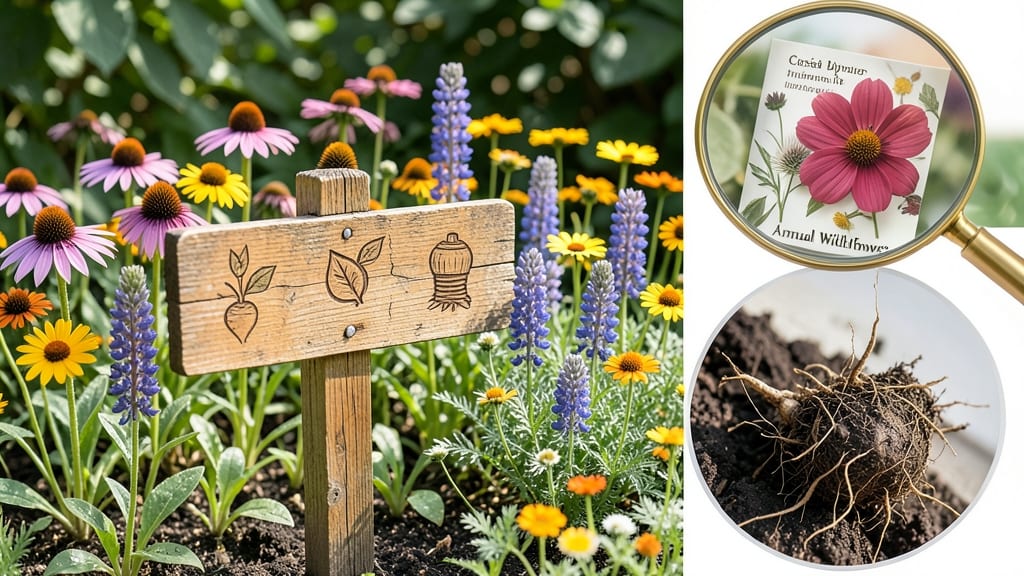
If you’ve ever wondered why your wildflower meadow 🌼 bursts into color one year but fades away the next, the answer lies in their life cycle—are wildflowers annuals or perennials? The truth is, they’re both, and each type behaves differently.
Annuals like cosmos or zinnias deliver bold, seasonal color but complete their life cycle in just one year. Perennials such as coneflowers or black-eyed Susans, on the other hand, return year after year, offering low-maintenance beauty with minimal effort.
Knowing the difference can help you design a garden that blooms continuously from spring to fall.
I’ll break down the key traits of each type, share my favorite wildflower varieties for every season, and reveal how to mix them for a garden that never goes dormant.
Whether you’re a beginner or a seasoned gardener, these insights will help you create a vibrant, resilient landscape that thrives with less work.
Ready to transform your outdoor space into a year-round floral show? Let’s dive into the secrets of wildflower life cycles and how to use them to your advantage.
Annual vs. perennial wildflowers: key differences in life cycles
When planning your wildflower garden, one of the first questions I ask myself is: are wildflowers annuals or perennials? The answer isn't simple because wildflowers span all three life cycles—annual, biennial, and perennial—each with distinct growth patterns that shape your garden's seasonal performance.
Understanding these differences helps me create gardens that bloom continuously from spring to fall.
Annual wildflowers complete their entire life cycle in one growing season, from seed germination to seed production. They thrive on rapid growth and bold blooms but die back after setting seeds. Perennials, on the other hand, return year after year, often growing stronger with each season.
Biennials, the middle ground, take two years to complete their cycle, storing energy in their first year to flower and seed in the second.
Annual wildflowers like cosmos and marigolds are perfect for filling gaps in your garden quickly. They germinate fast, bloom within weeks, and create instant color. Their trade-off? You'll need to replant them every year.
I love using annuals in containers or as temporary accents in garden beds where I want vibrant pops of color without long-term commitment.
Perennial wildflowers such as black-eyed Susan and coneflower are my go-to for low-maintenance gardens. They establish deep root systems, making them drought-tolerant once mature. The key is patience—perennials often take 1-2 years to reach their full bloom potential, but they reward you with years of effortless beauty.
I always include perennials in my garden designs for their reliability and ability to naturalize over time.
Biennials like foxglove and hollyhock add an interesting dynamic to my garden planning. In their first year, they focus on building strong foliage, only to burst into spectacular flowers the following year.
This two-year cycle means I need to plan ahead, but the payoff is worth it when these towering blooms appear. I often use biennials in cottage-style gardens where their height and dramatic flowers create focal points.
One common misconception is that all wildflowers are perennials. In reality, about 60% of wildflowers are annuals, making them ideal for meadows and naturalized areas where you want quick, self-seeding color. Perennials make up roughly 30%, while biennials are the least common but add unique structural interest.
When designing my wildflower meadows, I mix all three types to ensure continuous blooms throughout the growing season.
The seed germination process also differs dramatically between these types. Annuals often germinate quickly in warm soil, while perennials may take weeks or even months to sprout, depending on the species. I've learned to be patient with perennial seeds, sometimes waiting until the following spring for them to emerge.
Biennials usually germinate in their first year but remain dormant until their second year of growth.
For garden planning, I always consider the blooming duration of each type. Annuals provide season-long color but require annual replanting, while perennials offer multi-year blooms with less effort. Biennials bridge the gap, giving you a two-year investment in dramatic flowers.
My strategy is to plant annuals in early spring for immediate color, perennials in late summer/fall for next year's blooms, and biennials in early spring to establish their root systems.
Seasonal die-off is another critical factor. Annuals and biennials typically die back after flowering, leaving behind seeds that may or may not self-sow. Perennials, however, go dormant in winter but return stronger each spring.
I've found that mulching perennial wildflowers in late fall helps protect their roots from harsh winter conditions, ensuring they bounce back vigorously in spring.
To maximize your wildflower garden's impact, I recommend creating a layered planting strategy. Use annuals for quick color, perennials for long-term structure, and biennials for mid-height accents. This approach ensures your garden remains vibrant from early spring through late fall, with minimal gaps between blooming cycles.
The key is understanding each type's strengths and planning accordingly—whether you're creating a wildflower meadow, a pollinator-friendly border, or a container garden.
Best wildflowers for year-round color by life cycle type
Choosing the right wildflowers depends on their life cycle—whether they're annuals, perennials, or even biennials. Annuals like cosmos and zinnias provide instant seasonal color but complete their life cycle in one year.
Perennials such as coneflowers and black-eyed Susans return year after year, offering low-maintenance beauty with minimal care. Biennials like foxgloves take two years to bloom but reward you with striking foliage and flowers in their second season.
For a garden that blooms continuously, I recommend blending these types strategically. Fast-growing annuals fill gaps between perennial blooms, while hardy perennials provide structure and long-term interest. Understanding each type’s ideal planting time and maintenance needs ensures your garden stays vibrant from spring to fall.
Here’s my curated list of top wildflowers for year-round color, organized by life cycle:
For year-round interest, pair spring-blooming perennials like columbine with summer annuals such as cosmos. Add fall-blooming asters or winter-hardy perennials like hellebores for continuous color. This mix ensures your garden stays lively, even when some plants fade.
My favorite low-maintenance combination includes coneflowers (perennial), zinnias (annual), and foxgloves (biennial). This trio provides color from spring to frost with minimal effort. Start with a sunny, well-draining spot and let nature do the rest!
Experiment with different wildflower mixes to find what thrives in your climate. Over time, you’ll discover the perfect balance of annuals, perennials, and biennials for a garden that’s always in bloom. 🌼