
Flowers
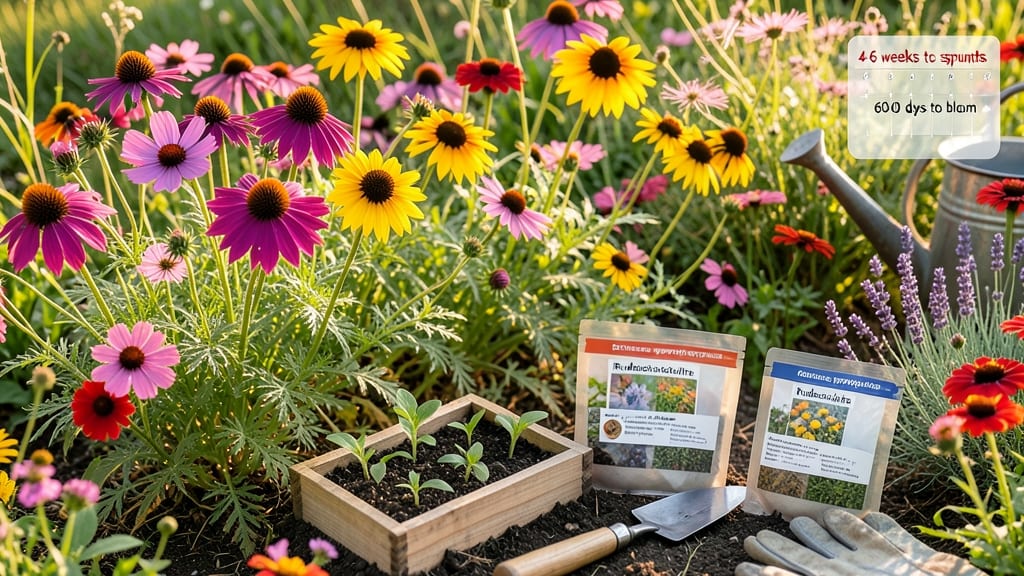
If you've ever scattered wildflower seeds hoping for instant color, you're not alone—many gardeners wonder why their patches take months to bloom.
The truth is, how long for wildflowers to bloom from seed depends entirely on the type you plant, your local climate, and a few simple tricks to speed things up.
Some varieties like cosmos and zinnias can burst into vibrant blooms in just 6-8 weeks, while others need nearly a year to show their best colors.
Whether you're a beginner or a seasoned gardener, understanding these timelines—and how to optimize them—makes all the difference in creating a stunning, low-maintenance garden.
In this guide, I’ll break down the fastest-blooming wildflowers, share pro tips to accelerate growth, and explain why some seeds need a little extra patience. By the end, you’ll know exactly what to plant and when to see your garden transform into a colorful paradise.
Ready to skip the waiting game? Let’s dive into the secrets of timing, soil, and sunlight that turn seeds into show-stopping blooms faster than you’d expect.

Fastest wildflower varieties that bloom in 6-12 weeks from seed
If you’re eager to see color in your garden, fast-blooming wildflowers are your best bet. These varieties skip the long wait and deliver bright blooms in just 6-12 weeks, making them perfect for instant gratification.
Whether you’re filling gaps in your landscape or creating a pollinator paradise, these speedy growers won’t disappoint.
Most annual wildflowers top the list for quick results, while a few perennial options also make the cut. The key to success? Planting at the right time, providing full sun exposure, and keeping the soil moist (but not soggy) during germination.
Let’s explore the fastest performers and their secrets to speedy growth.
Below, you’ll find a ranked list of the top wildflower varieties that bloom fastest, along with their ideal planting windows and care tips. Whether you’re a beginner or a seasoned gardener, these picks ensure you’ll see results in record time.
Cosmos and sweet alyssum are the fastest bloomers, often popping up in just 6-8 weeks, making them ideal for quick garden transformations. These varieties thrive in well-draining soil and full sun, so choose a spot that gets at least 6 hours of sunlight daily. For best results, sow seeds directly in the garden after the last frost date.
If you’re planting in cooler climates, opt for annual varieties like larkspur, which tolerate slight shade and cooler temperatures. These flowers are perfect for extending your blooming season into early spring or late fall.
Just be sure to stratify seeds (chill them for a few weeks) if your climate is warm, as this mimics natural winter conditions and speeds up germination.
For perennial options, bachelor’s buttons (or cornflowers) are a great choice. While they take slightly longer to bloom—around 8-10 weeks—they’ll return year after year with minimal care. These hardy flowers also attract butterflies and bees, adding an extra layer of beauty to your garden.
Plant them in well-prepared soil with a light layer of compost to encourage strong root growth.
One common mistake gardeners make is overwatering seeds, which can lead to rot before sprouts even emerge. Instead, keep the soil consistently moist but not soggy during the first 2-3 weeks after planting.
Once seedlings appear, reduce watering slightly to encourage deeper root systems. This simple adjustment can cut bloom times by 1-2 weeks in some varieties.
To maximize your chances of success, plant in succession every 2-3 weeks after the initial sowing. This ensures a continuous display of blooms
How to speed up wildflower blooming time with pro gardening tips
Wildflowers might seem patient, but with the right approach, you can cut blooming time by nearly 30%. The key lies in soil prep, sunlight optimization, and strategic watering. Many gardeners unknowingly slow down growth by overcrowding seeds or using poor-quality soil—simple fixes can make a world of difference.
Start with loose, well-draining soil mixed with compost. Wildflowers hate soggy roots, so amend heavy clay with perlite or sand. A light layer of mulch (like straw) helps retain moisture while keeping weeds at bay—this alone can shave off 2-3 weeks from your blooming timeline.
⚠️ callout-warning
⚠️ Common Mistakes That Delay Blooms
Overcrowding seeds forces plants to compete for nutrients, stunting growth. Poor drainage causes root rot, while inconsistent watering stresses seedlings. Even shade-loving varieties planted in full sun will bloom later—or not at all.
🌱 Fix it: Thin seedlings to 6-12 inches apart, test soil moisture, and match plants to their light needs.
Sunlight is non-negotiable—most wildflowers need 6+ hours of direct sun daily. If your garden lacks full sun, opt for partial-sun varieties like black-eyed Susans or evening primrose. A south-facing bed gets the most light, but even east or west exposures work if you choose the right species.
Watering smartly is another game-changer. Deep, infrequent watering (1-2 inches per week) encourages strong root systems. Avoid wetting leaves at night to prevent fungal diseases, which can delay blooming by weeks. A drip irrigation system or soaker hose delivers water right to the roots without waste.
For a second flush of blooms, deadhead spent flowers regularly. This redirects energy from seed production back to new growth. Pair this with a light fertilizer application (5-10-10 NPK) in early spring to give plants a nutrient boost without overstimulating foliage.
Finally, succession planting ensures continuous color. Sow a new batch of fast-growing varieties like cosmos or zinnias every 3-4 weeks to keep your garden in bloom from early summer through fall. With these pro tips, you’ll transform your wildflower patch from "meh" to "wow" in record time.