
Fertilization
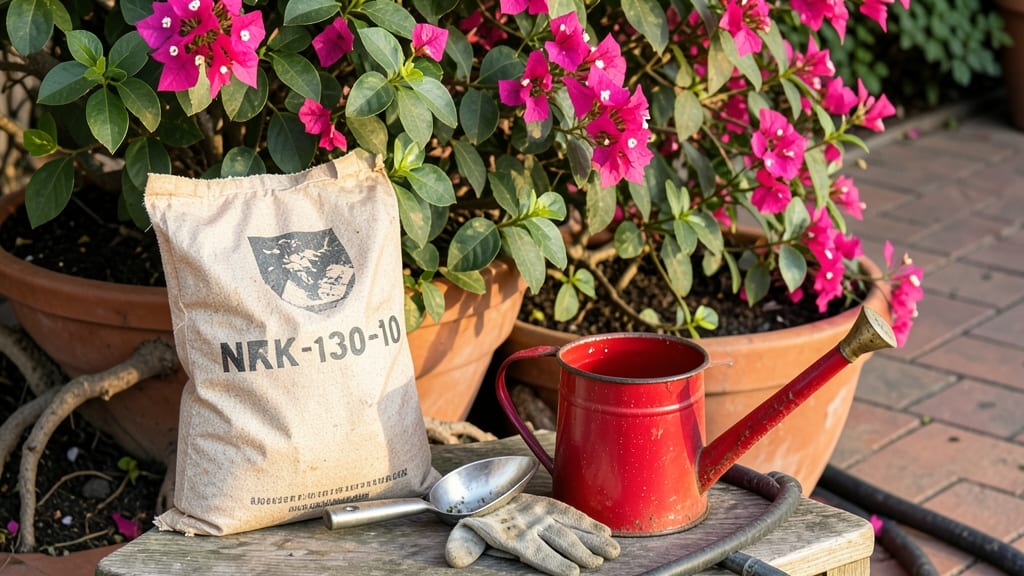
Optimal NPK ratios for bougainvillea flowering: science-backed ratios for vibrant blooms
If your bougainvillea is throwing more leaves than blooms, it’s likely starving for the right nutrients. The key to vibrant bougainvillea flowers lies in understanding NPK ratios—nitrogen, phosphorus, and potassium—and how they interact.
Too much nitrogen? You’ll get lush foliage but few flowers. Too little phosphorus? Your plant will struggle to produce those show-stopping blooms. Let’s break down the science behind the perfect balance.
Bougainvillea thrives on a low-nitrogen, high-phosphorus approach during its flowering phase. While most plants benefit from equal parts nitrogen and phosphorus (like a 10-10-10 fertilizer), bougainvillea demands a shift in focus.
Phosphorus is the flowering catalyst, promoting root and bloom development, while potassium supports overall plant health and stress resistance. The magic number? A 5-10-5 or 7-7-7 ratio works wonders for most bougainvillea varieties.
| Season | NPK Ratio | Fertilizer Type | Application Notes |
|---|---|---|---|
| Spring (Feb-Apr) | 7-7-7 or 5-10-5 | Bloom Booster | Encourage new growth and blooms |
| Summer (May-Aug) | 5-10-5 or 3-6-6 | Low-Nitrogen | Maintain blooms; avoid leafy growth |
| Fall (Sep-Nov) | 5-10-10 | Balanced | Boost late-season blooms |
| Winter (Dec-Jan) | 0-0-0 (None) | Dormant | No fertilization needed |
For organic gardeners, composted manure or bone meal (high in phosphorus) paired with a light nitrogen source like fish emulsion can mimic these ratios naturally. If you prefer synthetic fertilizers, look for bloom-specific formulas labeled for flowering plants.
Products like Miracle-Gro Bloom Booster or Jobe’s Flowering Shrub Fertilizer are excellent choices, but always half the recommended dose to avoid over-fertilizing.
One common mistake is using a high-nitrogen fertilizer (like lawn food) to promote greenery. This sends bougainvillea into a growth spurt instead of flowering mode. If your plant is already leafy but flowerless, it’s time to switch to a phosphorus-rich fertilizer and reduce nitrogen.
Think of it as a dietary shift: bougainvillea needs a low-carb, high-protein approach for blooms!
Seasonal adjustments are critical. In spring, when new growth begins, a balanced 7-7-7 ratio kickstarts both foliage and flowers. By summer, when blooms are in full swing, shift to a lower-nitrogen formula like 3-6-6 to prevent leafy overgrowth.
In fall, a slight potassium boost (5-10-10) helps sustain blooms as temperatures cool. Winter is the only time bougainvillea rests—no fertilizer is needed unless you’re in a frost-free zone.
Over-fertilizing is just as damaging as under-fertilizing. Yellowing leaves or burnt tips are clear signs of excess salts from fertilizer. Always water thoroughly after applying fertilizer to rinse away any buildup. For potted bougainvillea, flush the soil with water monthly to prevent nutrient accumulation.
And remember: less is more—bougainvillea is drought-tolerant and prefers lean soil, so err on the side of caution.
Pro tip: Pair your fertilizer routine with regular pruning to encourage new growth and more blooms. Prune back leggy stems in early spring to redirect energy toward flowering.
Combine this with a well-draining soil mix (like cactus or succulent soil) and full sun exposure, and you’ll have a bougainvillea that blooms like a tropical paradise all year round.
If you’re still struggling, consider a soil test to check phosphorus levels. Many garden soils are naturally low in phosphorus, which is why bougainvillea often needs a little extra push.
With the right NPK balance, your plant will reward you with bold, vibrant blooms that last for months—no green thumb required, just a keen eye for the right ratios!
🌸
Step-by-step fertilizer application guide: when, how, and what to feed your bougainvillea
Getting your bougainvillea to produce those vibrant, long-lasting blooms starts with the right fertilizer application. Unlike many plants, bougainvillea thrives on a balanced NPK ratio with a slight phosphorus boost to encourage flowering.
But timing and technique matter just as much as the fertilizer itself. Let’s break down the exact steps to feed your plant for maximum impact—without overdoing it.
First, understand that bougainvillea has distinct growing phases: active growth (spring-fall) and dormancy (winter in cooler zones). Fertilizing at the wrong time—like during dormancy—can stress your plant or even kill it.
The key is to align your feeding schedule with these phases. For example, in USDA Zones 9-11, you’ll fertilize year-round but adjust the frequency based on growth cycles.
🌱 Step-by-Step Bougainvillea Fertilizer Guide
-
Step 1: Choose the Right Fertilizer
- Use a balanced fertilizer with NPK ratios like 7-7-7 or 10-10-10.
- For a bloom boost, opt for a phosphorus-rich formula (e.g., 10-20-10).
- Avoid high-nitrogen fertilizers, which promote leafy growth over flowers.
-
Step 2: Test Your Soil First
- Use a soil pH test kit to ensure pH is between 6.0-7.0.
- If soil is too alkaline, amend with sulfur or peat moss.
- Bougainvillea prefers well-draining soil—avoid heavy clay.
-
Step 3: Apply Fertilizer at the Right Time
- Spring (Feb-Apr): Feed every 4-6 weeks to encourage new growth and blooms.
- Summer (May-Aug): Light feedings every 6-8 weeks to maintain blooms.
- Fall (Sep-Oct): Reduce to every 8 weeks to prep for dormancy.
- Winter (Nov-Jan): Skip fertilization in cooler zones; reduce in frost-free areas.
-
Step 4: Master the Application Technique
- For soil feeding, sprinkle 1 tbsp per plant (or 1 tbsp per sqft for large plants) around the root zone.
- Water thoroughly after applying to activate nutrients.
- For foliar feeding, mix fertilizer with water (1 tsp per gallon) and spray leaves in the early morning.
-
Step 5: Avoid Common Mistakes
- Over-fertilizing causes leaf burn or root damage—always follow package instructions.
- Fertilizing dormant plants in winter can stress or kill them.
- Skipping watering after application prevents nutrients from reaching roots.
One of the biggest mistakes I see is over-fertilizing bougainvillea in hopes of bigger blooms. Too much fertilizer—especially nitrogen—can lead to leafy growth at the expense of flowers. If you notice yellowing leaves or stunted growth, flush the soil with water to dilute excess nutrients.
For established plants, a light feeding every 6-8 weeks during summer is often sufficient to maintain vibrant blooms.
Pro tip: If your bougainvillea isn’t flowering as expected, it might need a phosphorus kick. Switch to a bloom-specific fertilizer like a 10-20-10 formula for 2-3 applications, then revert to a balanced mix.
Always apply fertilizer in the early morning to avoid fungal issues from evening moisture. And remember, less is often more—bougainvillea is drought-tolerant and prefers a light hand with nutrients.
With these steps, your bougainvillea will reward you with bold, colorful blooms that last all season. Start with the right fertilizer, time your applications carefully, and watch your plant thrive—without the guesswork. Happy gardening! 🌸