
Fertilization
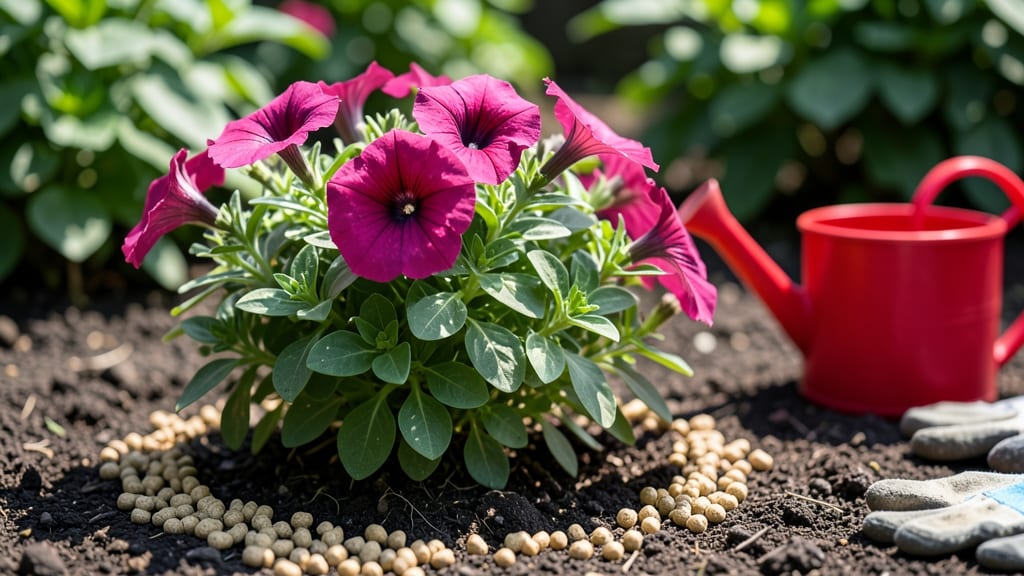
Want your outdoor flowering plants to explode with color using the right fertilizer for outdoor flowering plants instead of struggling to bloom? The right fertilizer is the game-changer you’ve been missing—and it’s not just about throwing any old mix on the soil.
I’ve watched firsthand how the wrong nutrients can leave even the hardiest flowers looking lackluster, while the perfect blend turns a modest patch into a vibrant showstopper. Whether you’re growing roses, petunias, or marigolds, understanding what your plants truly need is the key to longer blooms and healthier growth.
In this guide, I’ll break down the science behind fertilizer ratios, organic vs. synthetic options, and the best application timing for your USDA Zone 6 garden. No more guessing—just proven strategies to make your flowers thrive from March through September.
Ready to transform your garden? Let’s dive into the bloom-boosting secrets that’ll have your neighbors asking for your secrets by summer’s end.
Optimal NPK ratios for different outdoor flowering plants
Choosing the right fertilizer for your outdoor flowering plants isn't just about throwing on some generic NPK mix. The numbers on that bag—like 10-10-10—tell a story about how your plants will grow. Too much nitrogen (N)? You’ll get lush leaves but few blooms.
Too little phosphorus (P)? Your flowers might struggle to develop strong roots and vibrant colors. The key is matching the NPK ratio to your plant type, whether it’s annuals, perennials, bulbs, or tropical flowers.
Let’s break down what those numbers mean. Nitrogen (N) fuels leafy growth, phosphorus (P) supports root development and flowering, and potassium (K) boosts disease resistance and overall plant vigor.
For flowering plants, the goal is to prioritize phosphorus and potassium while keeping nitrogen in check—unless you’re growing foliage-heavy plants like coleus or caladiums. Think of it like a recipe: too much of one ingredient throws off the whole dish.
Here’s the golden rule for flowering plants: aim for a lower nitrogen ratio (first number) compared to phosphorus and potassium. For example, a 5-10-5 or 7-9-5 ratio is ideal for most bloomers. This balance ensures your plants devote energy to producing flowers rather than just leaves.
But not all flowers are created equal—annuals like petunias and marigolds have different needs than perennials like lavender or tropical flowers like hibiscus.
Now, let’s get into the specifics. Below, you’ll find a plant-by-plant breakdown of the best NPK ratios to use, along with why those ratios work.
Whether you’re growing bulbs for spring color or tropical flowers that thrive in heat, this guide will help you pick the perfect fertilizer for maximum blooms.
Let’s dive deeper into why these ratios work for specific plant types. For annuals, like petunias and marigolds, you want a balanced but phosphorus-heavy fertilizer. These plants grow quickly and produce flowers almost immediately, so they need a boost of phosphorus (P) to support rapid bloom development.
A 5-10-5 ratio gives them just enough nitrogen to stay healthy without overpowering their flowering potential.
On the other hand, perennials like lavender and coneflowers benefit from a lower nitrogen ratio. Too much nitrogen will result in lush foliage but few flowers. Instead, a 3-10-10 or 5-10-10 ratio
Organic vs synthetic fertilizers: pros, cons, and best uses for flower gardens
Choosing the right fertilizer for your outdoor flowering plants can feel overwhelming with so many options. As someone who’s tested both organic and synthetic fertilizers in my own USDA Zone 6 garden, I’ve learned that each has distinct advantages depending on your goals.
Organic options like compost and worm castings build soil health over time, while synthetic fertilizers deliver quick nutrient boosts. The key is matching your plant’s needs to the right type.
For example, roses and petunias often respond beautifully to balanced synthetic fertilizers during their peak blooming season, while perennials benefit long-term from organic matter. Understanding these differences will help you avoid common mistakes like over-fertilizing or neglecting soil structure—both of which can stunt blooms.
Organic Fertilizers
Synthetic Fertilizers
- Improves soil structure over time
- Releases nutrients gradually, reducing burn risk
- Supports microorganisms in soil
- Eco-friendly and sustainable
- Slower results—not ideal for quick fixes
- May contain weed seeds or pathogens
- Requires more frequent applications for fast blooms
- Provides immediate nutrient boost
- Precise NPK ratios for targeted growth
- Easy to measure and apply
- Works well in container gardens
- Can burn plants if overapplied
- Doesn’t improve soil structure
- May leach into groundwater
My favorite organic options for flowering plants include fish emulsion for a phosphorus kick (great for bulbs and roses) and worm castings, which gently feed roots while improving soil aeration.
For synthetic fertilizers, I reach for slow-release granules like 10-10-10 or liquid feeds with micronutrients during peak blooming months.
Timing matters just as much as the type. I always apply organic fertilizers in early spring to build soil health before planting, while synthetic fertilizers get a mid-season boost in June and August to extend blooming.
For example, marigolds thrive with a light synthetic feed every 4-6 weeks, but lavender prefers organic matter and minimal feeding.
One mistake I see often is assuming "more fertilizer = more blooms." Too much nitrogen can actually reduce flowering while promoting leafy growth. Always follow package instructions and adjust based on your plant’s response.
For instance, if your petunias show signs of stress (yellowing leaves or wilting), cut back on synthetic feeds and switch to organic.
For a balanced approach, I combine both types. Use organic fertilizers to build soil health seasonally and synthetic feeds for targeted bloom support during critical growth periods. This strategy has given my USDA Zone 6 garden vibrant, long-lasting blooms from June through September—with minimal maintenance.