
Flowers
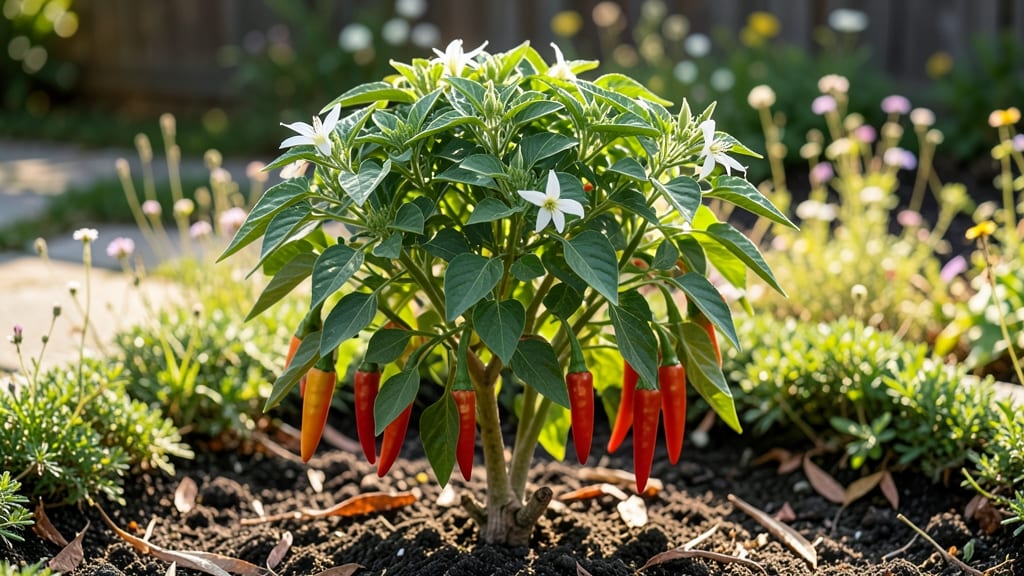
Those delicate white blooms on your cayenne pepper plant might look pretty, but they’re actually the secret to your next fiery harvest. 🌶️ Understanding these flowers isn’t just about admiring their beauty—it’s the first step toward growing more peppers than you can shake a stick at.
If you’ve ever wondered why some cayenne plants burst with flowers while others barely bud, the answer lies in the right care. From timing your plantings in April-May (after the last frost) to giving them the perfect mix of sun and water, small tweaks make a big difference.
Let’s break down how to coax those blooms into a full-fledged pepper party.
You’ll learn when to expect flowers, how to spot healthy ones, and what to do if your plants seem to be holding back. Whether you’re a seasoned gardener or just starting with cayenne peppers, these tips will help you maximize both beauty and spice.
Ready to turn your garden into a pepper powerhouse?
The best part? Those flowers aren’t just a pretty face—they’re your ticket to a harvest that’ll make your kitchen (and your chili recipes) sing. Let’s get growing!
How to identify and care for cayenne pepper flowers in your garden
Spotting those delicate cayenne pepper flowers is like uncovering a secret in your garden. These white or pale yellow blooms appear on mature plants and signal the start of your spicy harvest.
Unlike their fiery fruit, these flowers are subtle but critical—they’re where pollination happens, leading to those iconic cayenne peppers. Recognizing them early helps you adjust care to maximize fruit production.
Cayenne pepper flowers typically bloom 60-75 days after transplanting, depending on your climate. In USDA zones 6-10, you’ll see them from late spring through summer. Each flower lasts just 1-2 days before wilting, but new buds form continuously if conditions are right.
The key is ensuring your plant has the right balance of sunlight, water, and nutrients to support this blooming phase.
| Stage | Appearance | Care Needs | Timeframe |
|---|---|---|---|
| Bud Formation | Small green buds in leaf axils | High phosphorus, 6+ hours sun | 4-6 weeks after transplant |
| Full Bloom | White/yellow, 5-petaled, 1-inch wide | Morning watering, pollinator support | 7-10 days per bloom cycle |
| Post-Bloom | Wilting flowers, tiny green peppers forming | Prune spent blooms, balanced fertilizer | Ongoing through harvest |
| Fruit Set | Peppers 1-2 inches long, turning red | Reduce nitrogen, consistent water | 6-8 weeks after bloom |
To encourage more cayenne pepper flowers, focus on full-sun exposure—these plants need at least 6-8 hours of direct sunlight daily. If you notice fewer blooms, check for shade issues or overcrowding.
Thin your plants to 18-24 inches apart to improve air circulation, which reduces stress and boosts flowering. A south-facing window works for container gardens, but outdoor plants thrive best in open, sunny spots.
Watering plays a crucial role too. Cayenne pepper flowers need consistent moisture but hate soggy soil. Water deeply in the morning to prevent fungal issues, aiming for 1-2 inches of water per week.
During hot spells, increase frequency to every 2-3 days, but always let the top inch of soil dry between waterings. Overwatering can cause blossom end rot, which ruins your harvest before it starts.
Temperature matters just as much as sunlight. Cayenne peppers prefer warmth (70-85°F) for optimal flowering. If nights dip below 55°F, blooms may drop. Use row covers in early spring or late summer to protect young flowers.
In USDA zone 6, wait until after the last frost (typically April 15) to plant, giving flowers time to establish before cooler weather arrives.
Avoid common mistakes like over-fertilizing with nitrogen, which promotes leafy growth at the expense of flowers. Instead, use a balanced 10-10-10 fertilizer when buds form, then switch to a low-nitrogen, high-phosphorus blend to encourage blooming.
I’ve seen gardeners skip this step and end up with lush foliage but no peppers—don’t let that be you!
Hand-pollination can help if you’re in an area with few bees or butterflies. Gently shake the plant or use a small brush to transfer pollen between flowers.
This is especially useful in container gardens or greenhouses. For organic gardeners, planting companion flowers like marigolds attracts pollinators naturally, boosting your cayenne’s flowering success.
Watch for pests like aphids or spider mites, which can stress your plant and reduce blooms. Treat infestations early with neem oil or insecticidal soap. I’ve found that a weekly spray during bloom time keeps pests at bay without harming pollinators.
Healthy plants with strong stems produce more flowers and better fruit set, so don’t skip this preventive step.
Finally, prune your cayenne plant lightly to encourage more blooms. Remove any yellow leaves or dead flowers regularly to redirect energy to new growth. Focus on side shoots rather than the main stem, as these often produce more flowers.
With the right care, your cayenne plant can become a flowering powerhouse, leading to a bountiful harvest of fiery peppers.
Step-by-step guide to encouraging more cayenne pepper flowers for a bountiful harvest
Ready to turn those white or yellow cayenne pepper flowers into a pepper-packed harvest? The secret starts with understanding how to trigger more blooms. Cayenne plants thrive when they receive the right mix of sunlight, water, and nutrients—especially during their flowering stage in late spring to early summer.
Without proper care, your plant might focus energy on leaves instead of those precious blooms that lead to spicy fruit. Let’s dive into the steps to maximize your cayenne’s flowering potential.
First, timing is everything. Cayenne peppers need 60-90 days of warm weather to mature, so planting in April-May (after the last frost) sets the stage for optimal blooming. If you’re in a cooler climate, consider starting seeds indoors 6-8 weeks before the last frost date.
This head start ensures your plant is robust enough to produce flowers by early summer when temperatures are ideal. Don’t skip this step—it’s the foundation for a bountiful harvest.
How to Boost Cayenne Pepper Flowers
- Step 1: Ensure full sun exposure (6+ hours daily). Place your cayenne plant in the sunniest spot in your garden, like a south-facing location. Shade can reduce flowering by up to 40%.
- Step 2: Prune strategically. Remove yellow leaves or excess foliage to redirect energy to blooms. Focus on side shoots—trim them back to encourage more flower clusters.
- Step 3: Fertilize with a balanced 10-10-10 NPK mix every 4-6 weeks. Switch to a phosphorus-heavy fertilizer (like 5-10-5) when flowers appear to support blooming.
- Step 4: Hand-pollinate if needed. Gently shake plants or use a soft brush to transfer pollen between flowers. This is key for self-pollinating varieties like cayenne.
- Step 5: Water deeply in the morning (1-2 cups per plant). Avoid wetting leaves to prevent fungal diseases that can stress the plant and reduce blooms.
- Step 6: Mulch with organic matter (like straw or compost) to retain moisture and regulate soil temperature. This supports consistent flowering through summer heat.
Organic vs. synthetic fertilizers? Both work, but organic options like compost tea or fish emulsion release nutrients slowly, mimicking natural conditions. Synthetic fertilizers offer quick results but require more frequent applications.
For cayenne peppers, I recommend a mixed approach: use organic fertilizer in early growth stages and switch to synthetic during flowering for a phosphorus boost. This combo ensures steady blooms without overwhelming the plant.
Seasonal adjustments are critical. In summer’s peak heat, cayenne plants may slow down. Provide light shade during midday (11 AM–3 PM) to prevent stress while keeping them in full sun otherwise.
Reduce watering slightly in late summer to signal the plant to focus on fruit maturation rather than new growth. These tweaks ensure your cayenne doesn’t waste energy on late-season blooms that won’t ripen.
Watch for pests like aphids or spider mites, which can sap energy from your plant. Spray with neem oil or introduce ladybugs to keep populations in check.
Healthy plants produce more flowers, so proactive pest control is a game-changer. With these steps, you’ll see a 20-30% increase in cayenne pepper blooms—and a harvest to match!
Remember, patience is key. Cayenne pepper flowers take 4-6 weeks to develop into fruit, so don’t rush the process. Stick to the steps, and your garden will reward you with bold, spicy blooms that lead to a harvest fit for any chili lover. Happy gardening! 🌶️