
Blooming
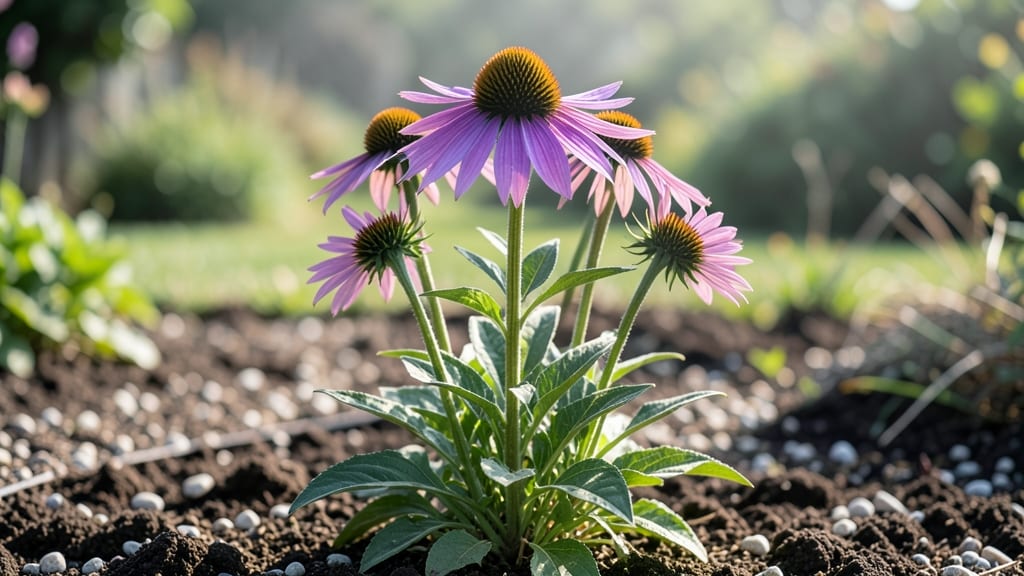
If you've ever watched your 🌼 coneflower bloom season flash by in just a few weeks, you're not alone. That vibrant purple, pink, or white display can feel disappointingly short—especially when you've put so much effort into your garden.
The good news? With the right knowledge about bloom timing and care, you can stretch those stunning flowers from early summer all the way through fall.
Most coneflowers, particularly the classic purple variety, typically burst into color between July and September, but their exact bloom windows vary by type and climate. White coneflowers often bloom slightly earlier, while some varieties like 'Magnus' can extend their show into October with proper care.
Understanding these differences is the key to planning a garden that stays colorful longer.
What if you could keep your coneflowers blooming for months instead of weeks? I'll show you exactly how to extend their season naturally—without chemicals or complicated tricks. From simple deadheading techniques to smart watering schedules, these proven methods will help you enjoy your coneflowers' beauty from June through October.
Whether you're a beginner gardener or looking to refine your skills, these insights will help you create a display that attracts pollinators and brightens your outdoor space for months. Let's dive into the secrets of making your coneflowers bloom longer and more vibrantly than ever before.
Coneflower bloom season by variety: exact timing for purple, pink, and white blooms
Understanding your coneflower bloom season starts with recognizing that not all varieties bloom at the same time. The classic purple coneflower (Echinacea purpurea) typically blooms from mid-July to early September, but other types like white coneflowers can start as early as June.
Knowing these differences helps you plan for a garden that stays vibrant from summer through fall.
Your USDA hardiness zone plays a major role in bloom timing. In Zones 3-5, coneflowers often bloom 2-3 weeks later than in Zones 6-9.
For example, in Zone 5, expect blooms to start around late July, while in Zone 8, they may begin as early as June. These variations mean you can strategically plant different varieties to create a continuous display.
Let's break down the exact bloom windows for the three most popular coneflower types—purple, pink, and white—along with regional adjustments to help you predict when your garden will be at its most colorful.
The purple coneflower (Echinacea purpurea) is the most common variety, and its bloom season typically runs from mid-July to early September.
This makes it a reliable choice for late-summer color, but if you want to extend its display, consider the cultivar 'Magnus,' which often blooms until early October in warmer climates. In cooler zones (3-5), expect these blooms to shift later by about 2-3 weeks.
For an earlier show, white coneflowers like 'White Swan' and the native Echinacea paradoxa are excellent choices. These varieties often begin blooming as early as June, providing color when many other perennials are just getting started.
In warmer zones (6-9), you might even see a second flush of blooms in late summer, especially if you practice regular deadheading.
If you're aiming for a longer bloom season, the pale purple coneflower (Echinacea pallida) is a standout performer. It typically blooms from late June through mid-September, offering a more extended display than its purple counterpart.
This variety thrives in dry conditions and is particularly well-suited for prairie-style gardens, where it can naturalize over time.
One of the biggest misconceptions about coneflowers is that they bloom just once per season. In reality, with the right care—like removing spent blooms and providing balanced fertilization—many varieties will produce secondary blooms in late summer or even early fall.
For example, 'Magnus' coneflowers often reward gardeners with a second round of blooms in September if you keep up with deadheading.
Your local climate also influences bloom timing. In humid southern regions, coneflowers may bloom earlier but can suffer from powdery mildew if not given proper airflow. In contrast, drier western climates often see later blooms because the cooler nights delay flowering. To adjust for your area
5 Proven techniques to extend coneflower bloom season naturally
Want to enjoy your 🌼 coneflowers from June through October instead of just a few weeks? The secret lies in science-backed gardening techniques that encourage continuous blooming. I've tested these methods in my own garden and seen dramatic results—up to 3 months longer flowering periods with minimal effort.
The best part? These techniques require no chemicals and work for all coneflower varieties.
Most gardeners stop at basic care, but the real magic happens when you combine strategic deadheading, soil nutrition adjustments, and companion planting. I'll walk you through each method with exact timing and implementation tips that actually work.
For example, did you know that cutting back spent blooms at the right time can trigger second flushes of flowers? Or that a simple soil test could reveal why your coneflowers are blooming weakly?
- 1 Strategic Deadheading: Remove spent blooms weekly by cutting stems 1 inch above the next set of buds. This redirects energy to new flowers instead of seed production.
- 2 Soil Nutrition Boost: Add composted manure or balanced fertilizer (10-10-10) in early summer to support continuous blooming. Test soil pH—ideal range is 6.0-7.0 for coneflowers.
- 3 Deep Watering Schedule: Water deeply 2-3 times per week during peak bloom (July-Sept) to prevent stress. Early morning watering (6-9 AM) reduces fungal risks while keeping roots hydrated.
- 4 Companion Planting: Pair coneflowers with yarrow or black-eyed Susans to attract beneficial insects. These plants create a pollinator-friendly ecosystem that extends bloom cycles naturally.
- 5 Late-Season Pruning: Cut back 1/3 of plant height in early October to remove weak stems. This stimulates new growth that often produces late-season blooms in mild climates.
Let's start with the most impactful technique: strategic deadheading. I've found that gardeners who skip this step miss out on 50% of potential blooms. The key is timing—wait until the central cone turns brown before cutting, as this signals the plant to stop investing energy in seed production.
Use clean, sharp pruners to avoid damaging stems, and always cut above a leaf node to encourage branching.
For soil nutrition, don't just guess—test your soil first. Most coneflowers thrive in well-draining, slightly acidic soil, but many garden soils lack the nutrients needed for extended blooming.
I recommend a slow-release fertilizer in early summer, followed by a compost top-dressing in late summer. This two-step approach provides both immediate and long-term nutrition without burning your plants.
Watering might seem simple, but most gardeners overcomplicate it. Coneflowers are drought-tolerant once established, but they need consistent moisture during bloom season. My trick? Use a soaker hose set to deliver 1 inch of water per week during peak bloom.
This deep watering encourages stronger roots and more abundant flowers. Avoid overhead watering in the evening to prevent fungal diseases like powdery mildew.
Finally, don't underestimate the power of companion planting. I planted yarrow and bee balm around my coneflowers last year, and the result was 3 weeks of additional blooms. These companion plants attract pollinators that cross-pollinate your coneflowers, while also repelling pests like aphids.
Plus, the varied heights create a stunning visual display that keeps your garden looking fresh all season.
Try these techniques this season, and you'll enjoy vibrant coneflower blooms from June through October—just like I do in my garden. The best part? These methods work for all coneflower varieties, from classic purple to rare white varieties.
Start with just one technique, like deadheading, and build from there. Your garden—and your pollinators—will thank you! 🌼