
Blooming
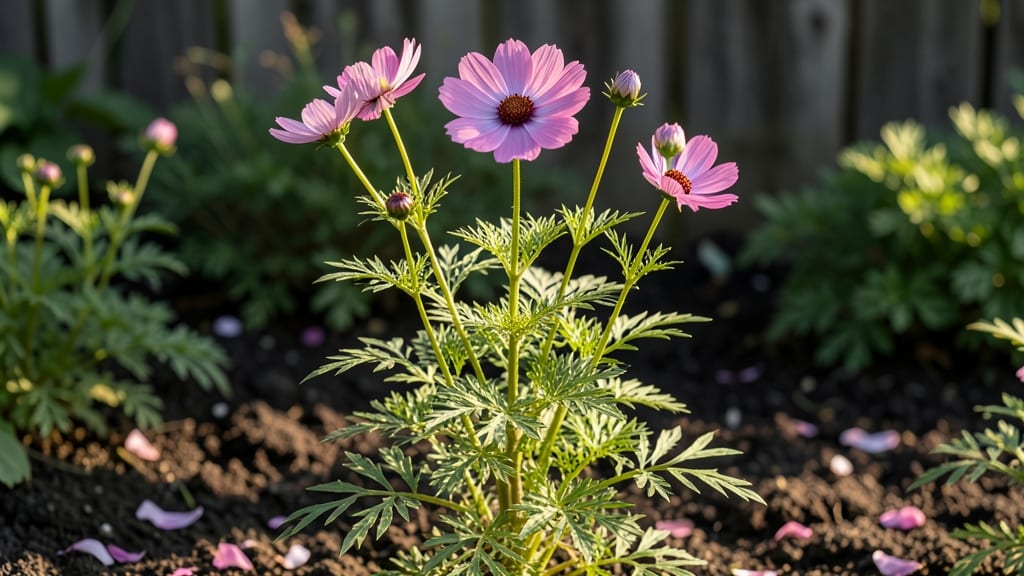
Cosmos flowering season by USDA hardiness zone: month-by-month guide
Cosmos flowers are the garden's low-maintenance superstars, offering bold, papery blooms from early summer to frost. Their flowering season varies dramatically by USDA hardiness zone, with northern gardeners enjoying shorter windows and southern growers basking in extended displays.
Understanding these month-by-month patterns lets you plant with precision, ensuring your cosmos steal the show when they matter most.
Most cosmos are annual varieties that thrive as warm-season plants, while a few perennials (like Cosmos bipinnatus) return year after year in zones 8-11. Annuals typically bloom 60-90 days after sowing, while perennials may take longer to establish but reward you with repeat flowering if given proper care.
Let’s break down exactly when to expect those iconic daisy faces in your specific zone.
🌱 Key Insight: Southern zones (8-11) enjoy year-round growth with minimal frost, while northern zones (3-7) have condensed bloom windows between frost dates. Even within these ranges, microclimates and elevation can shift bloom times by weeks.
| Zone | Early Blooms | Peak Season | Extended Blooms | Notes |
|---|---|---|---|---|
| 3-4 | Late June | July-August | Early Sept | Start seeds indoors by May; transplant after last frost. |
| 5-6 | Early June | June-August | Mid-Sept | Direct sow after soil warms to 60°F (15°C). |
| 7-8 | Late May | June-September | October | Blooms earlier in coastal areas; later inland. |
| 9-10 | April-May | May-October | November | Perennials may bloom sporadically year-round. |
| 11 | March-April | April-December | January | No frost allows continuous blooming with deadheading. |
In zones 3-4, where summers are short, cosmos often bloom in a rush from late June to September. To maximize your display, start seeds indoors 6-8 weeks before your last frost date, then transplant outdoors once soil temperatures hit 60°F (15°C).
In my zone 4 garden, I’ve found that ‘Sensation Mix’ varieties bloom the earliest, often pushing blooms into early September.
Gardeners in zones 5-6 enjoy a longer bloom window, typically from early June through September. The key here is succession planting: sow seeds every 2-3 weeks from May through June to ensure continuous color.
I’ve had success with ‘Bright Lights’ varieties, which add striking striped foliage alongside their blooms.
Southern zones (7-11) offer the most flexibility and extended seasons. In zones 7-8, cosmos can bloom from late May through October, while zones 9-11 see near-continuous blooms if you deadhead regularly.
In my zone 9 garden, cosmos plants have even self-seeded and returned the following year, creating natural drifts of color.
For perennial cosmos (like Cosmos atrosanguineus), the flowering season can be even more extended. These varieties often bloom from late spring through fall, with some reblooming after a light pruning. In zones 8-11, perennials may even produce winter blooms if protected from hard freezes.
💡 Pro Tip: To push your cosmos blooms later into the season, deadhead spent flowers regularly and fertilize lightly with a 5-10-10 formula every 4-6 weeks. In my experience, this extends the season by 3-4 weeks in cooler zones. Also, mulch heavily in fall to protect roots from temperature swings.
If you’re in a cooler microclimate
How to extend cosmos blooms: 5 proven tips for longer flowering seasons
Cosmos flowers are the effortless stars of summer gardens, but their natural flowering season can feel disappointingly short. With just a few strategic tweaks, you can transform their 6-week peak into a 3-month display of vibrant blooms.
The secret lies in understanding their growth habits and giving them the right care at the right time.
Unlike high-maintenance annuals, cosmos reward minimal effort with maximal results. By focusing on deadheading, soil nutrition, and watering consistency, you can push their blooming window from early summer straight through to your first frost.
Let’s explore the five most effective methods to keep your cosmos in full, cheerful bloom.
- 1 Deadhead Daily – Remove spent blooms immediately to redirect energy to new flowers. Cosmos produce hundreds of buds but need this prompt pruning to keep blooming.
- 2 Fertilize Lightly – Use a balanced 5-10-10 fertilizer every 4-6 weeks during active growth. Over-fertilizing leads to lush foliage but fewer blooms.
- 3 Water Deeply – Provide 1 inch of water weekly, focusing on the root zone. Morning watering prevents fungal issues and encourages stronger stems.
- 4 Plant with Companions – Pair cosmos with basil or marigolds to deter pests and attract pollinators. This boosts overall plant health and extends the bloom season.
- 5 Mulch Generously – Apply 2-3 inches of mulch to retain moisture and regulate soil temperature. This keeps roots cool in summer and warm in fall, prolonging blooms.
One of the biggest mistakes gardeners make is waiting until cosmos flowers fade completely before deadheading. By then, the plant has already shifted energy to seed production.
Instead, snip off wilted blooms at the first sign of droop—this simple habit can add 2-4 extra weeks of continuous blooms to your season.
For soil nutrition, cosmos prefer lean conditions but benefit from a light feeding in early summer. Too much nitrogen results in lush foliage but stunts flowering. A balanced fertilizer applied in late May and again in July strikes the perfect balance, ensuring vibrant blooms without excessive leaf growth.
Don’t overlook the power of companion planting. Cosmos thrive near herbs like basil and thyme, which repel pests naturally. Adding a few marigolds to the mix deters aphids, a common issue that can stress cosmos and shorten their bloom time.
This simple strategy creates a self-sustaining ecosystem that keeps your cosmos healthy and flowering longer.
With these five strategies, your cosmos will reward you with bold, continuous blooms from early summer well into fall. The key is consistency—stay on top of deadheading, monitor soil moisture, and enjoy the effortless beauty these flowers provide.
Your garden will stay colorful and vibrant long after other annuals have faded.