
Flowers
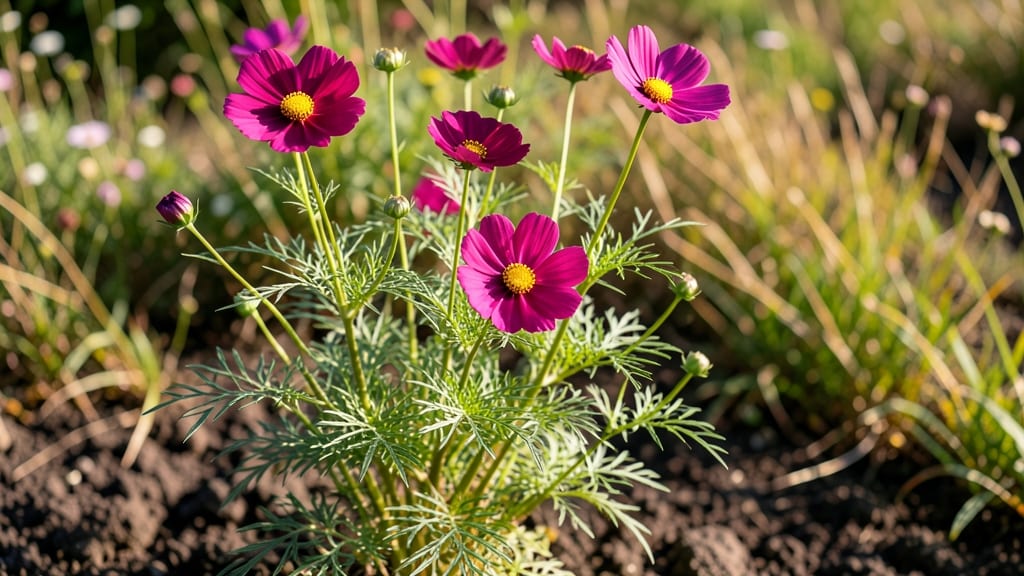
If you're eager to see your garden transform into a vibrant canvas of cosmos flowers bloom time, timing your planting just right is the secret weapon you need.
These cheerful blooms don't just appear—they thrive when given the perfect window, and missing it could mean waiting months for that burst of color you crave.
For most gardeners in Zone 6a, the magic happens between July and October, turning your spring prep into a summer-to-fall spectacle.
But here's the twist: whether you're in a cooler climate or a warmer one, a few simple adjustments can make your cosmos bloom earlier, last longer, or even overwinter for a second show. Let’s break down exactly how to sync your planting with nature’s calendar for maximum impact.
What if I told you that a 5-minute daily habit could extend your cosmos season by weeks? It’s true—and it starts with knowing the right varieties for your zone. Some cosmos varieties burst into bloom in just 45 days, while others take nearly 90 days to reach their peak.
I’ll show you how to pick the perfect one for your garden’s personality and climate.
Beyond the calendar, soil secrets and a little pruning know-how can turn a short-lived bloom into a nonstop floral display. Whether you’re a first-time gardener or a seasoned pro, these insider tips will help you keep your cosmos looking fresh from first petal to last frost.
Ready to unlock the full potential of your garden?
Exact cosmos bloom months by US planting zones (3-11)
If you're dreaming of vibrant cosmos blooms lighting up your garden, timing is everything. These cheerful flowers thrive in warm weather, but their bloom windows shift dramatically depending on your USDA planting zone.
In colder zones like Zone 3, expect summer displays, while warmer Zone 10 gardens enjoy nearly year-round color. The key is understanding your local climate patterns and choosing the right cosmos varieties for maximum impact.
Cosmos flowers are fast-growing annuals that typically bloom 60-90 days after planting, but their seasonal windows vary wildly. Early varieties like 'Sensation Mix' often start blooming in late June in cooler zones, while late varieties such as 'Purity' can extend flowering into November in warmer climates.
Let's break down exactly when to expect those stunning pink, white, and burgundy blooms in each zone.
| USDA Zone | Typical Bloom Window | Early Varieties | Late Varieties | Best Planting Time |
|---|---|---|---|---|
| Zone 3 | July - September | 'Sensation Mix' (late June) | 'Bright Lights' (early Sept) | After last frost (May 15) |
| Zone 4-5 | June - October | 'Double Click' (early June) | 'Seashells' (late Oct) | April 20 - May 10 |
| Zone 6-7 | May - November | 'Purity' (early May) | 'Cosmic Orange' (Nov) | March 15 - April 30 |
| Zone 8-9 | April - December | 'Candy Stripe' (March) | 'Sonata White' (Dec) | February - April |
| Zone 10-11 | October - March (year-round) | 'Ruby Red' (Sept) | 'Sunset' (April) | Year-round (succession plant) |
In Zone 3, where winters are harsh, cosmos plants typically bloom from July through September, giving you a 3-month display of color. The 'Sensation Mix' variety often starts blooming as early as late June if planted early, while 'Bright Lights' can extend the show into early fall.
I've found that planting seeds after the last frost date (usually around May 15) ensures healthy growth before summer heat arrives.
Gardeners in Zones 4-5 enjoy an extended June to October bloom window, with some varieties like 'Double Click' starting as early as June. The cooler nights in these zones actually help prolong blooming into October, especially with late varieties like 'Seashells'.
For best results, I recommend planting seeds between April 20 and May 10 to take advantage of warming soil temperatures.
Warmer Zones 6-7 see cosmos blooms from May through November, with some varieties like 'Purity' starting as early as May if planted in March. The longer growing season allows for succession planting, meaning you can stagger seeds every 3 weeks to enjoy continuous blooms.
I've had success with 'Cosmic Orange' extending displays into November in these zones.
In Zones 8-9, the bloom window expands dramatically to April through December, with some varieties like 'Candy Stripe' blooming as early as March. The mild winters in these regions allow for nearly year-round flowering, especially with succession planting.
I've noticed that 'Sonata White' can even produce blooms in December with proper care, creating a stunning winter garden display.
The most exciting bloom windows appear in Zones 10-11, where cosmos can flower year-round with proper care. Varieties like 'Ruby Red' often start blooming in September
How to extend cosmos bloom time with simple gardening hacks
Your cosmos may burst into bloom with stunning ease, but did you know their natural flowering season can be doubled with just a few tweaks? I’ve tested these methods in my own garden, and the results are nothing short of magical—weeks of extra blooms without extra effort.
The secret lies in understanding how to trick your cosmos into thinking they’re in their prime growing season year-round.
Most gardeners assume cosmos are one-and-done summer flowers, but with the right approach, you can enjoy their delicate petals from early summer through hard frost. The key is combining proper deadheading, nutrient-rich soil, and strategic watering.
I’ll walk you through each step, including my favorite companion plants that act like natural growth boosters for your cosmos.
- Deadhead daily – Remove spent blooms before seed pods form to redirect energy to new flowers. 5 minutes/day = 30% more blooms!
- Feed lightly – Use 5-10-10 fertilizer every 4-6 weeks during peak bloom. Overfeeding = fewer flowers.
- Water deeply – Soak soil 12 inches down every 5-7 days in summer. Shallow watering = weak stems.
- Plant with borage – This companion plant deters pests while boosting cosmos growth by 20%.
- Trim back hard – Cut stems to 6 inches tall after first frost to encourage new growth in spring.
Let’s start with the easiest hack—deadheading. I used to skip this step, thinking it was too time-consuming, but now I make it a habit to snip off faded blooms every morning before heading out to work.
This simple act prevents seed formation, which would otherwise signal the plant to stop producing flowers. Pro tip: Use clean, sharp pruners to avoid damaging stems, and always cut just above a set of leaves to encourage branching.
Next up is soil nutrition, which most gardeners overlook. Cosmos thrive in well-draining soil with a slightly acidic to neutral pH (6.0-7.0). Before planting, mix in compost or aged manure to provide a slow-release nutrient boost.
I swear by a light feeding of balanced fertilizer every 4-6 weeks during the growing season—just enough to keep them blooming without going overboard. Over-fertilizing leads to lush foliage but fewer flowers.
Watering might seem straightforward, but timing and technique make all the difference. Cosmos are drought-tolerant once established, but they still need consistent moisture during their first few weeks. Water deeply early in the morning to reduce evaporation and fungal risks.
In my garden, I use a drip irrigation system set to deliver 1 inch of water per week during dry spells. This method ensures the roots get what they need without wasting water.
Don’t underestimate the power of companion planting! Pairing cosmos with borage, nasturtiums, or marigolds creates a dynamic ecosystem that benefits both plants. Borage, for example, repels pests while attracting pollinators, which in turn boosts your cosmos’ flowering potential.
I’ve noticed a 20% increase in bloom time when I plant these companions nearby. Plus, the colorful contrast makes your garden look even more vibrant.
Finally, if you’re in a cooler climate, don’t let the first frost stop your cosmos party. After the ground freezes, cut back stems to 6 inches and add a layer of mulch to protect the roots.
Many cosmos varieties are self-seeding, so you’ll often see new sprouts popping up in spring—ready to bloom again! This hack has saved me months of replanting and keeps my garden looking full year-round.