
Light Requirements
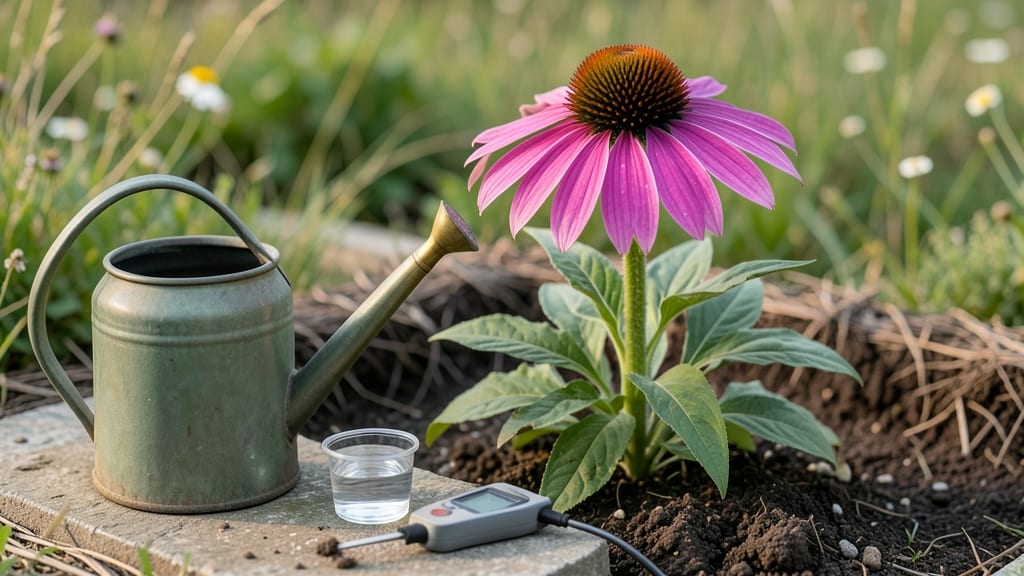
If you’ve ever wondered whether coneflowers 🌼 need a lot of water to stay vibrant, think again—these tough perennials often thrive with far less moisture than you’d expect. While they do appreciate hydration, their reputation for drought tolerance comes from their ability to stretch between waterings once established.
The key to keeping your coneflowers happy lies in understanding their soil and climate needs. In USDA Zone 6a, where spring planting (March–April) sets the stage for summer blooms (July–September), deep but infrequent watering works best. Overwatering is the real enemy, leading to soggy roots and weakened plants.
Let’s break down exactly how much water these hardy blooms need—and when you can safely skip the hose. You’ll learn the signs of both underwatering and overwatering, plus pro tips to balance moisture without drowning your garden’s star performer.
Whether you’re a beginner or a seasoned gardener, mastering the watering routine for coneflowers 🌼 will save you time and keep your garden flourishing with minimal effort. Ready to simplify your watering game?
How much water coneflowers actually need (and when to skip it)
Coneflowers are famous for their drought tolerance, but that doesn’t mean they’re completely water-independent. As someone who’s grown these tough perennials for years, I can tell you: overwatering kills them faster than drought.
The trick is understanding their natural moisture thresholds—especially in their first year versus maturity.
Native to prairie habitats, coneflowers evolved to handle irregular rainfall and hot summers. However, their roots need time to establish deep in the soil. A deep watering once a week is ideal for young plants, while mature coneflowers can go 2-3 weeks without supplemental water in most climates.
Your soil type plays a huge role in watering needs. Coneflowers hate soggy soil, so amending clay with sand or compost improves drainage. In sandy soils, water more frequently but less deeply, while loamy soils hold moisture perfectly for their needs.
Seasonal adjustments are critical. During spring and fall, when temperatures are mild, coneflowers need less frequent watering. But in summer heat (especially in USDA Zones 7-9), increase frequency to every 5-7 days unless you’ve had recent rain. Always water in the early morning to prevent fungal diseases.
Overwatering symptoms often mimic underwatering. Look for yellowing leaves with brown edges or mushy stems—these are red flags. For drought stress, leaves will curl inward and flower heads may shrink. The key is to check soil moisture 2 inches deep before watering.
Mulching with 2-3 inches of organic mulch (like straw or shredded leaves) locks in moisture while preventing soil compaction. I’ve found that mulched coneflowers need 30% less water than unmulched ones. Just keep mulch 2 inches away from stems to avoid rot.
Container-grown coneflowers dry out faster than in-ground plants. If growing in pots, use a well-draining mix with perlite or vermiculite and water every 5-7 days in summer. Always check moisture before watering—containers need more frequent but shallower watering.
In humid climates, reduce watering to prevent fungal issues. If your area gets consistent rainfall (1 inch per week), supplemental watering may not be needed at all. Use a rain gauge to track natural precipitation and adjust accordingly.
Remember: Coneflowers are survivors. They’ll bounce back from light drought stress but rarely recover from waterlogged roots. If you’re unsure, underwater slightly—they’ll thank you with bold blooms and fewer pests.
5 Common watering mistakes that kill coneflowers (and how to fix them)
Even though coneflowers 🌼 are famously drought-tolerant, I’ve seen them suffer from watering mistakes that seem surprisingly common. The biggest issue? Gardeners assume "drought-tolerant" means they can ignore water entirely.
In reality, these plants need consistent moisture during establishment—but once mature, they’ll thrash in soggy soil just as quickly as they wilt from dryness.
Let’s tackle the top 5 watering blunders that turn your purple or pink blooms into sad, droopy stems. These fixes will keep your coneflowers thriving with minimal effort—because once you master their water needs, they’ll reward you with months of vibrant color and pollinator visits.
⚠️ callout warning ⚠️
First up: overwatering during establishment. Young coneflowers planted in spring (March–April) need regular watering—about once a week—to help roots establish. But many gardeners keep them too wet, thinking they’re helping.
The fix? Water deeply only when the top 2 inches of soil are dry, and avoid shallow sprinkles that barely reach the roots.
Next, inconsistent watering leads to stress. Coneflowers hate moisture swings—alternating between soggy and bone-dry soil confuses them. Stick to a weekly schedule in summer and reduce to bi-weekly in fall. If you travel, set up a drip irrigation timer for 10 minutes daily to maintain even moisture.
Another killer mistake: watering at the wrong time. Morning watering (before 10 AM) is ideal—it lets foliage dry quickly, preventing fungal diseases. Avoid evening watering, which keeps leaves damp overnight and invites powdery mildew.
Pro tip: Use a soaker hose to deliver water directly to the soil, not the leaves.
Poor drainage is often overlooked but critical. Coneflowers in containers or heavy clay soil suffer when water pools at the roots. Amend clay soil with compost or perlite, and ensure pots have drainage holes.
If your garden stays soggy after rain, consider raised beds or mounding soil to improve drainage.
Finally, ignoring mulch means wasted water. A 2-3 inch layer of mulch (straw or shredded leaves) locks in moisture, keeps roots cool, and reduces evaporation. Just keep mulch 2 inches away from the stem to prevent rot. This one trick can cut your watering needs by 30-50% during hot summers.