
Flowers
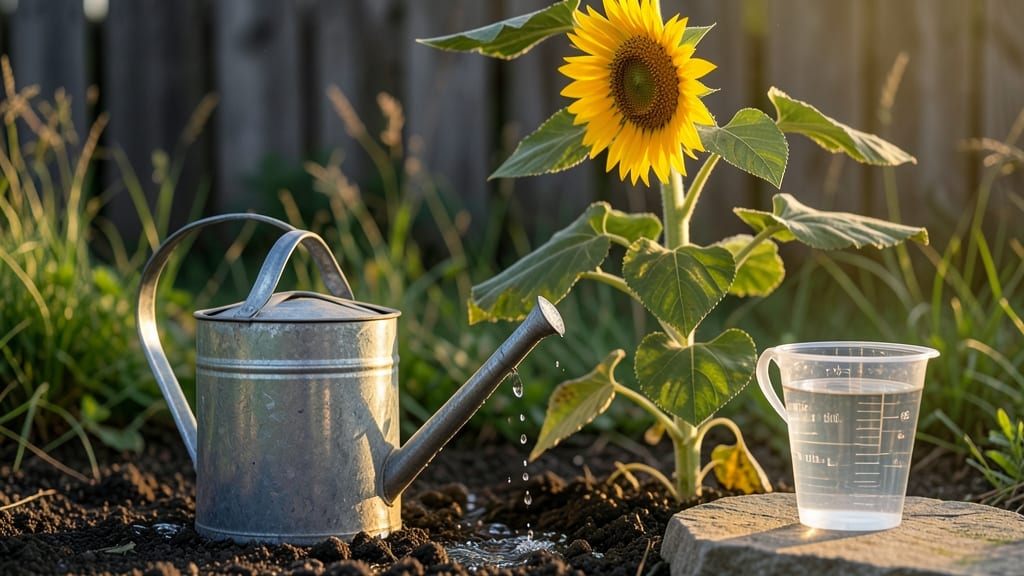
If you've ever wondered whether your towering 🌻 sunflowers need a lot of water to stay strong, you're not alone. The truth is, these summer giants don't actually demand excessive hydration—what they need is a smart balance that keeps their stems sturdy without inviting rot or stress.
Most gardeners make the mistake of assuming more water equals better growth, but sunflowers in Zone 6a actually prefer their soil to dry out slightly between waterings once they're established. The key is understanding when to water deeply and when to let the roots breathe.
In this guide, I'll break down exactly how much water sunflowers truly need at each growth stage—from delicate seedlings to mature plants reaching for the sky. You'll learn the signs of both overwatering and underwatering, plus simple techniques to keep your sunflowers thriving without wasting a drop.
Whether you're planting in April or tending to summer blooms, these watering secrets will help you grow sunflowers that stand tall and proud all season long. Let's dive into the science behind their surprisingly moderate thirst.
How much water sunflowers really need (and when)
Sunflowers might look like they need constant hydration to support their towering growth, but the truth is more nuanced. These sun-loving plants actually prefer deep, infrequent watering over shallow, frequent soaks.
Overwatering weakens their woody stems and invites rot, while underwatering stunts their growth. The key is understanding their water needs by growth stage and adjusting for your local climate.
Most gardeners assume sunflowers need a lot of water because they grow so tall, but that’s a common misconception. In reality, once established, sunflowers are drought-tolerant and can thrive with moderate moisture.
The biggest risk isn’t thirst—it’s overwatering, which causes stem rot and weakens the plant’s ability to support its own weight. Let’s break down exactly how much water sunflowers need at each stage of growth.
🌱 Did You Know? Sunflowers have deep taproots that can reach 6 feet underground, helping them access moisture even during dry spells. This natural adaptation means they don’t need frequent surface watering once mature.
| Growth Stage | Water Requirements | Frequency | Key Notes |
|---|---|---|---|
| Seedling (0-4 weeks) | 1-2 gallons per plant | Every 2-3 days | Keep soil consistently moist but not soggy. Use a spray bottle for delicate sprouts. |
| Vegetative (4-8 weeks) | 2-3 gallons per plant | Every 3-5 days | Water deeply to encourage deep root growth. Avoid wetting foliage to prevent disease. |
| Flowering (8-12 weeks) | 3-4 gallons per plant | Every 5-7 days | Increase water slightly to support bud development. Reduce if rain is frequent. |
| Maturity (12+ weeks) | 1-2 gallons per plant | Every 7-10 days | Cut back watering to prevent stem rot. Mature plants are drought-resistant. |
During the seedling stage, sunflowers need the most attention. Young plants have shallow roots and can’t access deep moisture, so I water mine every 2-3 days with about 1-2 gallons per plant.
Use a gentle spray or drip irrigation to avoid dislodging the soil around delicate sprouts. Overhead watering at this stage can also spread disease, so I aim the hose at the base.
As sunflowers enter the vegetative stage (4-8 weeks), their roots deepen, and they become more resilient. Here’s where many gardeners make the mistake of overwatering. I’ve seen sunflowers topple over because their stems were too weak from excessive moisture.
At this stage, water deeply every 3-5 days, giving each plant 2-3 gallons to encourage strong root development.
When sunflowers begin flowering (8-12 weeks), their water needs increase slightly to support bud development. This is the stage where they’ll drink the most, but don’t overdo it. I water mine every 5-7 days with 3-4 gallons per plant, adjusting based on rainfall.
If your area gets frequent showers, you can reduce watering to avoid stem rot, which is especially risky during humid weather.
Once sunflowers reach maturity (12+ weeks), their water needs drop significantly. At this point, they’re drought-tolerant and can handle every 7-10 days of watering. I reduce my watering to 1-2 gallons per plant to prevent over-saturation, which can cause the stems to weaken and snap under their own weight.
This is also when I stop fertilizing, as the plant focuses on seed development rather than foliage growth.
Your soil type plays a huge role in how often you need to water. Sandy soil drains quickly, so sunflowers in these conditions may need watering every 2-3 days during hot weather.
Clay soil, on the other hand, holds moisture longer, so you can stretch watering to every 7-10 days. I always do a simple finger test—if the top 2 inches of soil are dry, it’s time to water.
Temperature and humidity levels also affect sunflower water needs. In hot, dry climates, I water mine daily during peak summer but only give them 1-2 gallons per watering to avoid shocking the roots.
In humid conditions, I reduce frequency to every 7-10 days to prevent fungal diseases like powdery mildew, which thrives in wet foliage. Always water in the early morning to allow leaves to dry quickly.
One of the biggest mistakes I see is watering at night. Wet leaves overnight create the perfect environment for fungal infections. Instead, water in the morning so the foliage has all day to dry.
Signs of overwatering vs. underwatering in sunflowers (with fixes)
Sunflowers 🌻 thrive on balance, but their water needs often get misunderstood. Too little moisture causes wilting, while too much triggers root rot—both can stifle your towering beauties. Let’s decode the visual clues your sunflowers use to signal distress and how to correct imbalances before they become irreversible.
Start by checking the soil moisture 1-2 inches below the surface. Stick your finger in—if it feels damp like a wrung-out sponge, you’re overwatering. If it’s as dry as a desert sand, your sunflowers are thirsty. The key is consistent moisture without waterlogging, especially during their rapid growth phases.
✅ Pros of Proper Watering
- Taller stems (up to 12 ft)
- Larger blooms (3-12 inches wide)
- Faster germination (5-10 days)
- Disease resistance (stronger roots)
❌ Risks of Over/Underwatering
- Stunted growth (wilting or rot)
- Yellow leaves (nutrient loss)
- Fungal diseases (gray mold)
- Weak stems (top-heavy collapse)
Yellowing leaves are the most common underwatering sign, but they can also signal overwatering. Look closer: yellowing from the bottom-up means thirst, while yellowing with brown edges (and mushy stems) points to root rot. Always check the leaf texture—crispy edges mean underwatering; slimy stems mean overwatering.
For underwatered sunflowers, deep watering at the base (not overhead) revives them fastest. Use a soaker hose or drip irrigation to deliver moisture directly to roots. If the soil is bone-dry, let it soak for 20-30 minutes until water pools on the surface.
Mulch with straw afterward to retain moisture and block weeds.
Overwatered sunflowers need immediate drainage fixes. Stop watering for 3-5 days to let the soil dry, then improve airflow by loosening compacted soil around the roots. Add perlite or sand to heavy clay soils to prevent future waterlogging.
If the stem feels soft or smells foul, trim away rotted sections and repot in fresh, well-draining mix.
Remember, sunflowers are drought-tolerant once established, but they demand consistency during their first 6-8 weeks. Adjust your watering based on the weather: increase frequency during 90°F+ heatwaves but reduce in humid or rainy conditions. A simple finger test beats guesswork every time.