
Light Requirements
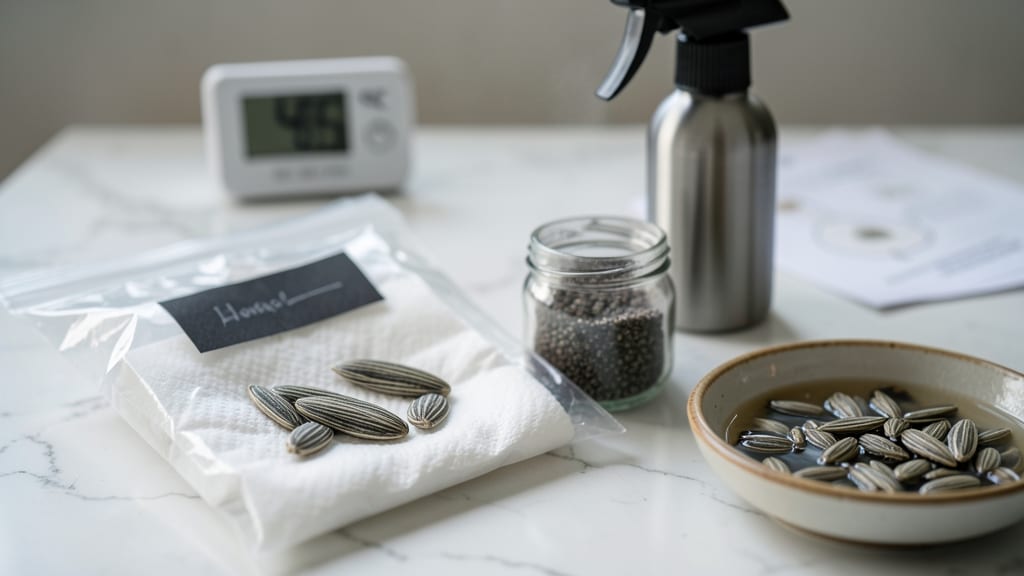
Wondering if sunflower seeds need cold stratification to sprout? The short answer is no—these cheerful 🌻 giants are one of the easiest seeds to germinate without any special treatment. In fact, forcing them through cold stratification could even slow down their natural process, which is already impressively fast.
Sunflowers thrive in USDA Zone 6a and beyond, where warm soil temperatures kickstart germination in just 7-14 days. That’s right—no fridge time required. The key to success lies in proper planting conditions, like well-drained soil and consistent moisture, rather than mimicking winter’s chill.
But here’s where it gets interesting: while stratification isn’t necessary, there are exceptions for certain varieties or climates. For example, northern gardeners might see slightly better results with a short cold treatment, but even then, it’s rarely a game-changer.
Let’s break down the science and share the simplest methods to get your sunflowers sprouting like clockwork.
Whether you’re a beginner or a seasoned gardener, you’ll discover how to bypass stratification entirely while still achieving strong, healthy seedlings. Ready to skip the guesswork and dive into the truth?
The science behind sunflower seed germination and cold stratification needs
Sunflower seeds are one of the easiest plants to grow, often sprouting within 7-14 days under ideal conditions. But the question of whether they need cold stratification—a process where seeds are exposed to cold temperatures to break dormancy—still confuses many gardeners.
The short answer? No, sunflower seeds generally don’t require it. Their hard, outer shells actually protect them from premature germination, which would happen naturally in their native warm climates.
The myth about cold stratification likely stems from confusion with other seeds, like tomatoes or peppers, which benefit from this process. Sunflowers, however, are adapted to thrive in warm soil temperatures—typically between 70°F and 90°F—and their germination is triggered by heat, not cold.
This natural adaptation means you can skip stratification entirely and still enjoy fast, reliable sprouting.
| Requirement | Specification | Notes |
|---|---|---|
| Cold Stratification | Not required | Seeds germinate faster in warm soil |
| Ideal Soil Temp | 70°F–90°F (21°C–32°C) | Speeds up germination to 7–14 days |
| Germination Time | 7–14 days | Faster in warm, moist conditions |
| Natural Dormancy | Hard seed coat | Protects against premature sprouting |
| Scarification | Optional | Nick seeds for faster sprouting |
The hard seed coat of sunflower seeds serves as a natural barrier, preventing them from germinating too early in their native habitats. This adaptation ensures they sprout only when conditions are optimal—typically after warm soil temperatures signal the start of the growing season.
In gardening terms, this means you can plant sunflower seeds directly into the ground as soon as the soil reaches 55°F or warmer, without any pre-treatment.
That said, there’s a biological exception worth noting: some sunflower varieties, particularly those bred for northern climates, may show slightly improved germination if exposed to brief cold periods. However, this isn’t true stratification—it’s more about acclimating seeds to temperature shifts.
For most gardeners, especially in USDA Zones 5-10, cold stratification is unnecessary and could even delay germination by confusing the seed’s natural cues.
One common misconception is that cold stratification mimics the winter dormancy of perennial plants. But sunflowers are annuals, meaning they’ve evolved to germinate quickly in warm conditions. Their seeds are designed to absorb moisture and heat to kickstart growth, not endure cold.
This is why you’ll often see sunflowers sprouting within a week of planting in ideal conditions—no fridge time required!
If you’re still hesitant, consider this: sunflower seeds are one of the most reliable seeds for beginners because they germinate so predictably. Professional growers and home gardeners alike skip stratification entirely, focusing instead on soil warmth and moisture.
The key is to plant them in well-draining soil at a depth of 1 inch, keeping the soil consistently moist until sprouts appear.
For those in cooler climates, like USDA Zone 4 or colder, you might delay planting until the soil warms up naturally. If you’re eager to start indoors, use a seedling heat mat set to 75°F–85°F to mimic ideal germination conditions.
This approach is far more effective than cold stratification for sunflowers, which are heat-loving plants through and through.
In rare cases, you might encounter old or stored seeds that benefit from a quick soak in warm water (24–48 hours) to soften the seed coat. This isn’t stratification but a gentle way to encourage faster sprouting without risking rot.
Always use fresh seeds for the best results, as older seeds may have reduced viability regardless of treatment.
The bottom line? Sunflower seeds are self-sufficient germinators, adapted to thrive in warm conditions. Cold stratification isn’t just unnecessary—it’s counterintuitive to their natural growth cycle.
By focusing on soil warmth, moisture, and proper planting depth, you’ll set your sunflowers up for rapid, healthy growth without any extra steps. 🌻
How to maximize sunflower germination speed without cold stratification
Sunflower seeds are naturally designed to sprout quickly when soil temperatures rise—no cold treatment required. In fact, their fast germination (often within 7-14 days) happens best when you mimic their natural environment: warm soil and consistent moisture.
The key is understanding how to optimize these conditions without unnecessary steps that could slow them down.
Most gardeners overcomplicate sunflower germination by focusing on stratification, but the real secrets lie in soil warmth, proper moisture, and direct planting methods. Whether you're starting indoors or outdoors, these techniques will help you bypass stratification entirely while ensuring strong, healthy seedlings ready for transplanting.
Here’s how to achieve rapid germination without cold stratification, using proven methods that work for both beginners and experienced gardeners:
Sunflower seeds germinate best in soil that’s at least 70°F (21°C). If your garden soil is cooler, place seeds in a seedling heat mat (available at garden centers) or use a black plastic mulch to absorb sunlight and raise temperatures.
Sunflower seeds should be planted 1 inch deep in well-draining soil. Deeper planting can delay germination, while shallower planting risks drying out. Use a soil marker to ensure consistency, especially if planting multiple rows.
Keep the soil evenly moist (not soggy) until germination. Use a spray bottle for indoor starts or a drip irrigation system outdoors. Overwatering can cause rot, while underwatering slows sprouting—aim for 1-2 inches of water per week.
For indoor starts, cover seeds with a clear plastic dome or wrap to create a mini greenhouse effect. This traps warmth and humidity, speeding up germination. Remove the cover once sprouts appear to prevent mold.
Sunflowers need full sunlight (6+ hours daily) to germinate quickly. Place indoor trays near a south-facing window or use grow lights for 12-14 hours per day. Weak light slows growth and weakens seedlings.
Once sprouts reach 2 inches tall, thin them to 12-18 inches apart to prevent overcrowding. Use scissors to snip weaker seedlings at soil level, leaving the strongest sprout in each spot for optimal growth.
If you’re planting outdoors in cooler climates, consider using biodegradable seedling pots filled with warm compost. These pots can be buried directly in the ground, providing a temperature boost while protecting young roots.
For even faster results, pre-sprout seeds indoors in paper towels for 2-3 days before transplanting—just keep them moist and in a warm spot.
Remember, sunflowers are hardy and forgiving, so don’t stress over perfection. With these steps, you’ll see sprouts in as little as 5-7 days, proving that cold stratification isn’t just unnecessary—it’s a myth for sunflowers! 🌱