
Plants
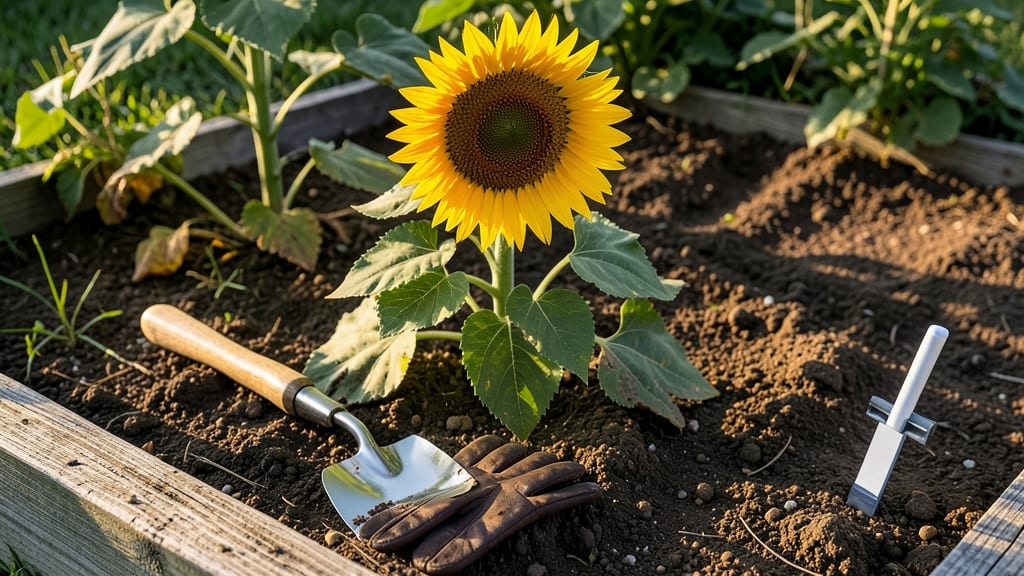
To grow towering 🌻 sunflowers in Southern California, when to plant sunflower seeds in southern California is the game-changer between a lush garden and a sad, wilted failure.
Unlike cooler climates, SoCal’s year-round warmth means you can plant twice—spring or fall—but missing the sweet spot risks heat stress or stunted growth.
Most gardeners in zones 9b-11 reach for their sunflower seeds between February and April or September and October, but coastal areas like San Diego have slightly different rules than inland spots like Riverside.
The key? Plant when soil hits 55°F—too early, and your seeds rot; too late, and your blooms bolt before they mature.
I’ve tested this myself in my own garden, and the difference between a 10-foot giant and a puny 3-footer comes down to these exact windows.
Whether you’re growing ‘Autumn Beauty’ for fall color or ‘Russian Giant’ for summer height, I’ll show you how to nail the timing—plus pro tips to beat SoCal’s heat and drought.
Ready to skip the guesswork? Let’s dive into the perfect planting schedule for your sunflowers, tailored to your exact corner of Southern California—no more wasted seeds or wilted dreams.
Best planting windows for sunflowers in Southern California by region
Southern California’s diverse climate—from coastal breezes to inland heat—means sunflower planting times vary dramatically by region. Coastal areas like San Diego and Santa Barbara have milder winters, while inland valleys (e.g., Los Angeles Basin) face scorching summers. Desert regions (Palm Springs, Joshua Tree) demand early planting to beat extreme heat.
Let’s break down the ideal planting windows for each zone to ensure your sunflowers thrive.
For coastal Southern California (USDA Zones 9b-10), the primary planting window spans February through April and September through October. These months balance soil warmth (55°F+) with moderate rainfall, reducing irrigation needs. Spring planting yields summer blooms, while fall planting produces winter flowers—rare but stunning in coastal gardens.
Frost is virtually nonexistent, but cooler ocean winds can delay germination if soil stays too damp.
Inland regions (e.g., Riverside, San Bernardino) experience hotter summers and milder winters, shifting the ideal window to January through March and August through September. Planting in late summer lets sunflowers establish roots before 100°F+ temperatures arrive. Heat-tolerant varieties like 'Autumn Beauty' handle inland heat better than delicate types. Avoid planting after May 15—seeds may rot in consistently hot soil.
Desert areas (e.g., Palm Springs, Coachella Valley) require the earliest possible planting: December through February for spring blooms or August for fall. Soil must reach 60°F+ to prevent seed rot, and shade cloth becomes essential after germination. Desert sunflowers often bolt faster due to intense sun—choose dwarf varieties (e.g., 'Teddy Bear') to avoid heat stress on tall stems.
| Region | Best Planting Window | Soil Temp Requirement | Heat Tolerance Tip | Frost Risk |
|---|---|---|---|---|
| Coastal (San Diego, Santa Barbara) | Feb–Apr, Sep–Oct | 55°F+ | Use 'Moulin Rouge' for coastal breezes | None |
| Inland (LA Basin, Riverside) | Jan–Mar, Aug–Sep | 60°F+ | Plant before 100°F heatwaves | Rare (high elevations) |
| Desert (Palm Springs, Joshua Tree) | Dec–Feb, Aug | 60°F+ | Use shade cloth after germination | None |
In coastal regions, spring planting (February–April) aligns with peak rainfall, reducing your watering workload. Fall planting (September–October) capitalizes on cooler temperatures and longer daylight, ideal for extended bloom seasons.
My San Diego garden yields sunflowers from June to November when I plant in both windows. Pro tip: Coastal soils often compact—amend with compost to improve drainage.
Inland gardeners face a narrower window due to intense summer heat. Planting in January–March ensures sunflowers bolt before June’s 110°F+ days. For fall blooms, August–September planting works if you water deeply to prevent heat stress. I’ve seen 'Russian Giant' varieties reach 12 feet tall in inland valleys when planted by March 1—but skip planting after April 15 or risk wilting.
Desert sunflowers demand special attention. Plant in December–February to beat spring heatwaves, or try August for fall blooms (though yields may be smaller). Soil prep is critical: Mix in sand and compost to prevent root rot in heavy clay soils.
My Palm Springs plot uses drip irrigation to deliver 1–2 inches of water weekly, even in 105°F+ temps.
Regardless of region, avoid planting during heatwaves—even heat-resistant varieties struggle when soil exceeds 90°F. Test soil temperature with a thermometer before planting; below 55°F delays germination, while above 90°F risks seed death.
Heat-resistant sunflower varieties that thrive in Southern California’s climate
Southern California’s intense sun and dry heat can turn sunflowers into crispy failures—but not with the right varieties. I’ve grown sunflowers here for years, and these heat-resistant picks consistently deliver bold blooms even when temps hit 100°F+.
The secret? Choosing drought-tolerant types with deep root systems and fast-maturing habits to beat the summer heat.
For my garden in Zone 10a, I focus on five varieties that outperform others in SoCal’s climate. Each brings something unique: ‘Autumn Beauty’ for fall color, ‘Russian Giant’ for summer height, and ‘Moulin Rouge’ for vibrant petals.
Let’s compare their heights, bloom times, and drought tolerance so you can pick the perfect match for your space.
🌱
| Variety | Height (ft) | Bloom Time | Drought Tolerance | Best For |
|---|---|---|---|---|
| Autumn Beauty | 5-6 ft | Late summer-fall | High (🌡️🌡️🌡️) | Fall color, pollinators |
| Moulin Rouge | 4-5 ft | Summer-fall | Medium (🌡️🌡️) | Cut flowers, containers |
| Russian Giant | 10-16 ft | Mid-late summer | Low (🌡️) | Tall screens, statement plants |
| Teddy Bear | 2-3 ft | Summer-fall | High (🌡️🌡️🌡️) | Drought areas, kids’ gardens |
| ProCut | 5-6 ft | Summer | Medium (🌡️🌡️) | Floral arrangements, long stems |
If you’re planting in spring, prioritize ‘Russian Giant’ or ‘ProCut’—they mature fast enough to beat summer’s worst heat. For fall planting, ‘Autumn Beauty’ and ‘Teddy Bear’ shine, offering color when temps cool.
My ‘Moulin Rouge’ plants in containers stay hydrated longer than taller varieties, making them ideal for patios or balconies.
Pro tip: Mulch heavily around all varieties to lock in moisture and keep roots cool. I use 3-4 inches of straw mulch and water deeply every 5-7 days during SoCal’s dry spells.
Even the ‘Russian Giant’, which needs the most water, thrives with this routine—no wilting in sight!
For small spaces, ‘Teddy Bear’ is my go-to. Its compact size and fuzzy petals make it kid-friendly and drought-proof. Plus, it blooms nonstop from summer through fall, giving you months of cheerful color with minimal fuss.
If you’re after height and drama, though, ‘Russian Giant’ will overshadow everything—just stake it early to avoid wind damage.
🌻