
Flowers
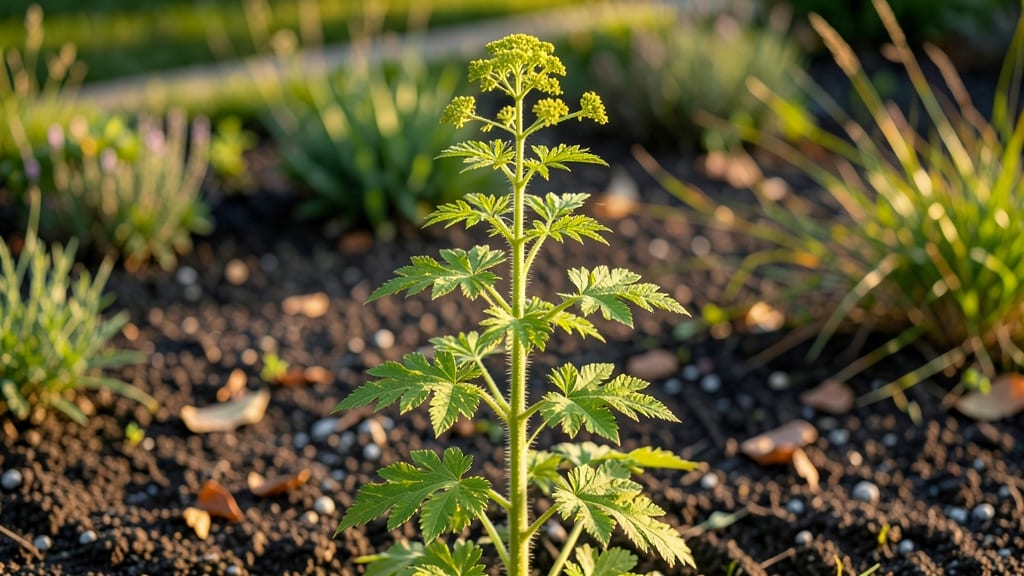
If you’ve ever sneezed your way through late summer and blamed it on "the season," you might be dealing with ragweed—but does this pesky plant even produce flowers? The answer isn’t just yes—it’s a game-changer for how you handle allergies and garden upkeep.
Ragweed 🌾 isn’t just some random weed lurking in your yard; it’s a pollen powerhouse that blooms aggressively from July through October, turning your garden into an invisible allergen trap. Understanding its flowering cycle is the key to outsmarting those itchy eyes and runny noses before they strike.
I’ll show you exactly how to spot those sneaky flowers, why they’re so problematic, and—most importantly—how to manage ragweed before it takes over.
Whether you’re battling seasonal allergies or just tired of pulling up the same stubborn plants year after year, this is your guide to staying ahead of the pollen.
From identifying ragweed’s distinctive blooms to cutting down its spread, you’ll walk away with actionable tips that actually work. Let’s turn the tables on this unwanted guest before it ruins another season.
When and why ragweed flowers: the pollen season timeline
Yes, ragweed does flower, and those flowers are the primary culprit behind late-summer allergies. Unlike many ornamental plants, ragweed's greenish-yellow blooms aren't showy—they're designed for efficiency, not beauty.
Their wind-pollinated structure means they produce massive amounts of allergenic pollen that travels for miles. Understanding this cycle helps you time your allergy management more effectively.
Ragweed's flowering isn't random—it follows a biological clock tied to temperature and daylight. The plant detects longer daylight hours in late summer (typically August through October in most U.S. regions) as a signal to bloom.
This timing coincides with peak pollen counts, which is why allergies worsen during these months. The flowers themselves are small—about 1/8 inch long—and grow in dense clusters along the plant's stems.
🌾
| Stage | Key Characteristics | Pollen Production | Allergy Impact |
|---|---|---|---|
| Early Growth | Leaves appear March-April; 1-3 ft tall | None | Low (no pollen) |
| Flowering Begins | Greenish-yellow 1/8-inch blooms appear August | Moderate (1 billion grains/plant/day) | Rising (peak coming) |
| Peak Bloom | August-October; dense flower clusters | Highest (up to 35 million grains/m²/day) | Severe (allergy season) |
| Seed Production | Flowers turn brown; seed pods form | Declining (but still present) | Moderate (seeds spread pollen) |
| Dormancy | Plant dies back; seeds survive winter | None | None (until next spring) |
The biological trigger for ragweed flowering is a combination of temperature thresholds and daylight hours. Research shows that ragweed requires consistent temperatures above 60°F (15°C) for at least 7-10 days to initiate blooming.
This is why northern regions see later flowering (September-October) compared to southern areas (July-August). The plant's photoperiodism—its response to daylight length—ensures flowers appear when winds are strongest, maximizing pollen dispersal.
One surprising fact is that ragweed's female flowers (which produce seeds) and male flowers (which release pollen) often grow on separate plants. This separation forces cross-pollination, which is why a single plant can produce up to 1 billion pollen grains per day.
The pollen's lightweight, powdery texture allows it to travel over 400 miles on wind currents, explaining why city dwellers far from green spaces still suffer from ragweed allergies.
If you're managing allergies, knowing the peak pollen window is crucial. Ragweed pollen counts are highest on warm, dry, windy days between 10 AM and 3 PM. During these times, even indoor air quality can degrade as pollen drifts through open windows or hitches a ride on clothing.
Monitoring local pollen forecasts (available from the National Allergy Bureau) helps you plan outdoor activities or close windows proactively.
The flowering duration varies by region but typically spans 6-8 weeks. In the Midwest, for example, ragweed blooms from mid-August to late October, while coastal areas may see earlier or later timelines.
This prolonged season is why ragweed is the #1 allergen in North America, surpassing even tree and grass pollens combined. The plant's aggressive seed production—up to 1,000 seeds per plant—ensures it dominates disturbed soils, from roadside ditches to garden edges.
For gardeners, understanding ragweed's lifecycle offers control opportunities. Since the plant relies on direct sunlight, shading young plants with mulch or dense ground covers can stunt growth.
Additionally, mowing or hand-pulling before flowering (June-July) prevents pollen release. However, be cautious—disturbing the roots can trigger seed release, creating more plants for next season.
Ragweed's evolutionary success lies in its pollen efficiency. Unlike insect-pollinated flowers, ragweed doesn't waste energy on nectar or bright colors. Instead, it produces tiny, lightweight pollen grains
How to identify ragweed flowers and avoid pollen exposure
Spotting ragweed flowers is your first line of defense against those relentless allergy symptoms. These plants produce tiny, greenish-yellow blooms that often go unnoticed until they’ve already taken over your yard.
The flowers grow in spiky clusters along the plant’s stems, typically between 1 to 5 feet tall, and they release massive amounts of pollen—up to 1 billion grains per plant each day.
What makes ragweed even trickier is its aggressive growth habit. It thrives in disturbed soils, like construction sites or garden beds, and spreads rapidly through wind-dispersed seeds. If you’ve ever pulled up one plant only to find more sprouting nearby, you’ve experienced ragweed’s persistent resilience firsthand.
The key to reducing pollen exposure starts with early identification and proactive removal.
🌾
⚠️ Does Ragweed Flower? Yes—and It’s a Big Problem
Ragweed does flower, and its blooms are the primary source of late-summer allergies. Each flower produces millions of pollen grains, which travel up to 400 miles on the wind. The flowers are tiny and greenish, often hidden among the plant’s rough, hairy stems, making them easy to overlook until it’s too late.
💡 Pro Tip: If you see greenish-yellow clusters on a tall, weedy plant in late summer, assume it’s ragweed and act fast.
To identify ragweed flowers, focus on three key visual cues: the greenish-yellow color of the blooms, their spiky, elongated clusters, and the plant’s rough, lobed leaves. Unlike dandelions, which have bright yellow flowers, ragweed blooms blend into the background, making them harder to spot.
They also grow higher off the ground, releasing pollen at eye level—perfect for triggering allergies when you’re mowing, gardening, or just walking outside.
Once you’ve identified ragweed, your next move is to minimize pollen exposure.
Start by wearing a mask when pulling plants or mowing, as the pollen can irritate your eyes, nose, and throat. Watering your lawn or garden in the late afternoon can also help—wet pollen grains become heavier and fall faster to the ground.
For indoor relief, consider using an air purifier with a HEPA filter to trap airborne pollen particles.
If ragweed has already taken root in your yard, pull it early—before the flowers fully mature and release pollen. Use gloves and long sleeves to protect yourself, and remove the entire plant, including the roots, to prevent regrowth.
For larger infestations, consider vinegar-based herbicides or mulching with thick layers of cardboard to smother new growth. Consistency is key—ragweed won’t give up without a fight!
🌿