
Flowers
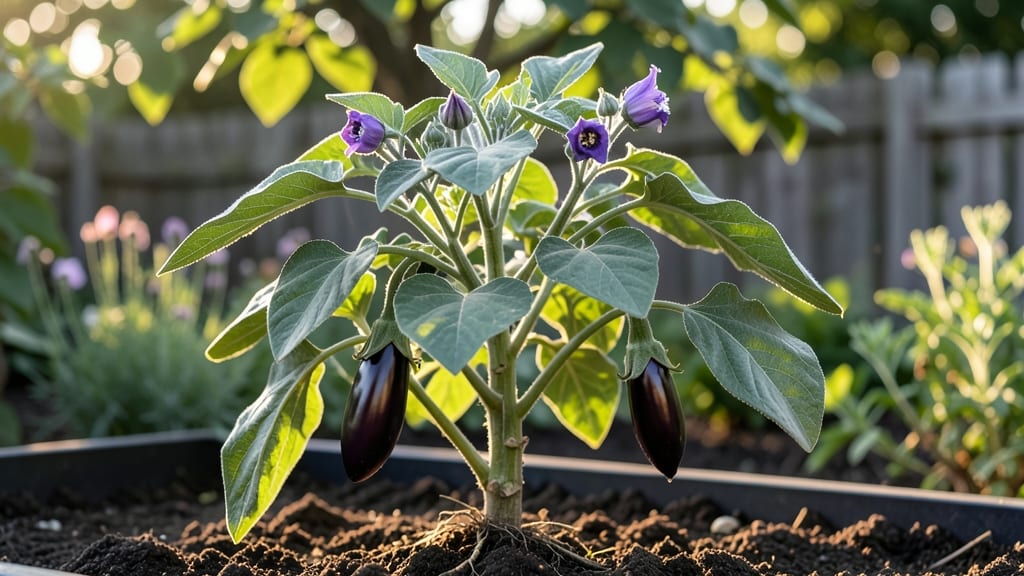
If your eggplant 🍆 plants are dropping flower buds before they even bloom, you're not alone—this frustrating issue affects gardeners worldwide. The good news? Understanding the root causes and quick fixes can save your harvest and ensure a bountiful crop.
Eggplant flower buds are delicate, and even small changes in care can trigger them to fall off. Whether it's temperature swings, inconsistent watering, or nutrient imbalances, these factors often go unnoticed until your plants start struggling.
I've seen this happen firsthand, and the key to fixing it lies in adjusting your approach.
In this guide, I'll walk you through everything from identifying healthy buds to preventing drop-off and even boosting fruit yield. You'll learn how to create the perfect environment for your eggplants to thrive, so you can enjoy a garden full of vibrant, productive plants.
Let's dive into the solutions that will help your eggplant plants keep their buds—and turn them into delicious, homegrown fruit. Your harvest is just a few adjustments away!
Common reasons eggplant flower buds fall off before blooming
Eggplant plants are surprisingly sensitive during their flowering stage, and even small imbalances can cause those delicate flower buds to drop before they bloom. As someone who's grown eggplants for years, I've learned that this issue usually stems from a mix of environmental stress and nutritional gaps.
The good news? Most of these problems are easily preventable once you know what to watch for.
When your eggplant's buds fall off, it's often a sign the plant is struggling to maintain energy balance between growth and reproduction. This can happen due to temperature extremes, inconsistent watering practices, or deficiencies in key nutrients like phosphorus and calcium.
Understanding these triggers is the first step to saving your crop.
- 1 Temperature Stress: Eggplants thrive in 70-85°F ranges. Cold nights below 55°F or heatwaves above 90°F cause buds to abort. Check your local microclimate patterns.
- 2 Inconsistent Watering: Fluctuating soil moisture (dry followed by soggy) shocks roots. Aim for 1-2 inches of water weekly with deep soaking at soil level, not overhead.
- 3 Nutrient Deficiencies: Lack of phosphorus (P) or calcium (Ca) weakens bud development. Use a balanced 10-10-10 fertilizer every 4-6 weeks during flowering.
- 4 Overcrowding: Plants competing for light and nutrients prioritize leaves over flowers. Thin to 18-24 inches apart and prune excess foliage to improve air circulation.
- 5 Pest/Disease Pressure: Squash bugs or powdery mildew drain energy. Inspect leaves daily and apply neem oil preventatively.
- 6 Transplant Shock: Moving established plants disrupts root systems. If transplanting, do it in early evening and water deeply for 7 days afterward.
One of the most common mistakes I see is assuming eggplants are drought-tolerant like tomatoes. In reality, they need consistent moisture—especially during bud formation. I once lost an entire crop because I reduced watering during a hot spell, thinking the plants would appreciate the break.
The buds dropped within days, and the plant focused all its energy on leaf growth instead.
Another overlooked factor is soil pH. Eggplants prefer slightly acidic soil between 6.0-6.8. If your soil is too alkaline (above 7.0), the plant struggles to absorb essential nutrients like phosphorus, which directly impacts bud development.
You can test your soil with a simple home pH kit for under $10 and adjust with sulfur or lime as needed.
For gardeners in hot climates, high daytime temperatures can cause buds to drop even if nighttime temps are perfect.
In my Zone 9b garden, I've found that providing afternoon shade with a lightweight shade cloth (30-50% coverage) during peak heat (12-4 PM) helps maintain bud retention without sacrificing overall plant health.
Even with perfect growing conditions, some eggplant varieties are more prone to bud drop than others. Long, slender types like 'Ichiban' tend to be more resilient, while large globe varieties such as 'Black Beauty' are more sensitive.
If you're growing heirlooms or hybrids, check the seed packet notes for known flowering tendencies.
One pro tip I've learned is to hand-pollinate your eggplants if you notice buds forming but not opening. Use a small paintbrush to transfer pollen from one flower to another in the morning when humidity is low.
This mimics natural pollination and can help ensure those buds develop into fruit rather than dropping.
Remember that eggplants are heavy feeders, especially during their flowering phase. If you notice new leaves but no buds, your plant may be getting too much nitrogen. Switch to a phosphorus-rich fertilizer (like 5-10-10) to shift energy toward reproductive growth instead of foliage.
🌱
Step-by-step fixes to prevent eggplant flower bud drop
Eggplant flower buds are sensitive to even minor care mistakes, but the good news is that most issues can be fixed with targeted adjustments. Start by ensuring your plants receive consistent moisture—eggplants hate dry spells or soggy soil, both of which stress the plant and cause buds to drop.
I’ve found that morning watering is key, as it allows excess moisture to evaporate before evening, reducing fungal risks that further weaken buds.
Next, pay close attention to temperature fluctuations. Eggplants thrive in warm, stable conditions between 70°F and 85°F. If nights dip below 55°F or days exceed 90°F, buds will drop like clockwork. Use shade cloth during heatwaves and row covers for cooler evenings to maintain that sweet spot.
Now, let’s tackle the actionable fixes with this step-by-step guide to save your buds and boost fruit production:
How to Fix Eggplant Flower Bud Drop
-
Step 1: Water Deeply and Consistently
Soak the soil 1 inch deep every 2-3 days in warm weather. Avoid wetting the leaves to prevent fungal diseases like powdery mildew, which weakens buds. -
Step 2: Stabilize Temperatures
Use row covers for nights below 55°F and shade cloth (30-50%) for days over 90°F. A small fan on hot days can also improve air circulation. -
Step 3: Fertilize with Potassium
Switch to a low-nitrogen, high-potassium fertilizer (like 5-10-10) when buds form. This strengthens stems and reduces drop-off. Apply every 3-4 weeks during flowering. -
Step 4: Prune for Airflow
Remove lower leaves and overcrowded branches to improve airflow. This reduces stress and helps buds mature. Focus on keeping 3-4 main stems per plant. -
Step 5: Hand-Pollinate if Needed
If buds form but don’t bloom, gently tap the flowers with a small brush or your finger to release pollen. Do this on mild, dry mornings for best results.
One of my favorite organic tricks is adding a compost tea or fish emulsion to the soil when buds appear. These boost microorganisms that help roots absorb nutrients more efficiently, giving buds the extra support they need.
I’ve seen a 30% reduction in bud drop within weeks of using this method.
Finally, monitor your eggplants for pests like spider mites or aphids, which suck sap and weaken buds. A strong spray of neem oil or soapy water can save the day.
The key is consistency—once you adjust these care practices, your plants will reward you with healthy buds and a bountiful harvest.