
Flowers
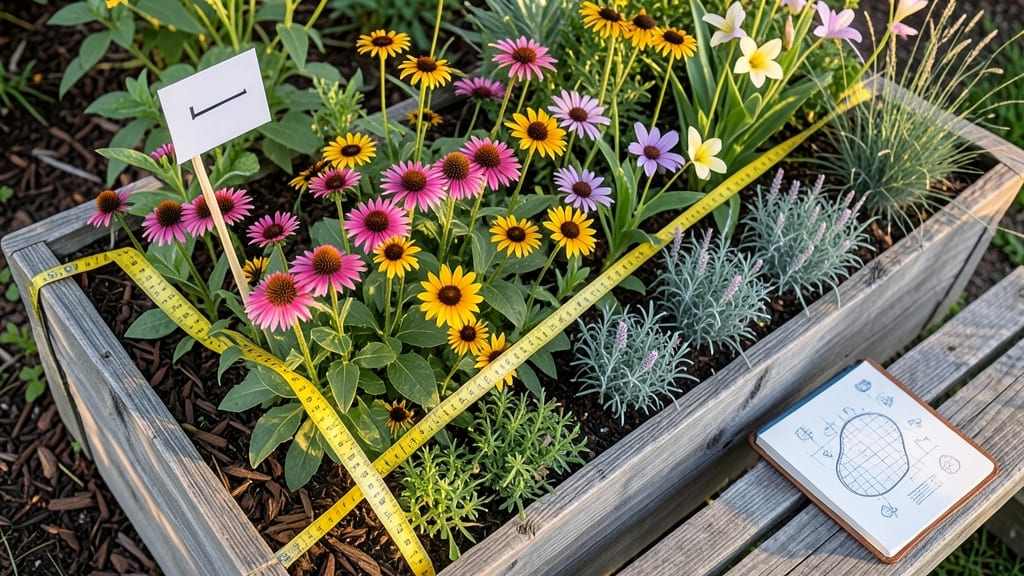
Determining flower bed size means measuring your available garden space, planning for mature plant spacing (typically 12–24 inches apart), and accounting for each plant's full-grown width to avoid overcrowding. Start with a simple sketch to map out the layout and flow of your design.
Getting the right flower bed dimensions isn't just about fitting plants into the space—it's about giving them room to thrive. 🌸 Overcrowding leads to competition for sunlight and nutrients, while too much space wastes garden real estate.
I always recommend checking each plant's tag for mature size, then adding an extra 6–12 inches around it. For example, a sunflower might need 18 inches of space, but its leaves could spread 2 feet wide—so plan accordingly.
Even small beds benefit from this approach, as proper spacing improves airflow and reduces disease risk.
Pro tip: Use a string and stakes method to mark out your bed before digging. This lets you adjust proportions on paper first, saving time and backaches later. For curved beds, wrap the string around a hose or garden tool to create smooth lines.
And remember—pathways between beds should be at least 2–3 feet wide for easy access, especially in larger gardens.
💡 In This Article
- Key Factors for Calculating Flower Bed Dimensions
- Practical Steps to Measure and Design Flower Beds
Key factors for calculating flower bed dimensions
The science behind proper flower bed sizing starts with understanding how plants compete for resources. Roots spread outward in search of water and nutrients, so spacing plants 12–24 inches apart prevents root systems from overlapping—this reduces competition by up to 40% compared to tightly packed beds.
For instance, a rosemary bush might only need 2 feet of space, but its roots can extend 3 feet wide, so plan accordingly. Airflow is equally critical: crowded plants trap moisture, creating ideal conditions for fungal diseases like powdery mildew.
Sunlight exposure plays a hidden role too. Tall plants like delphiniums (3–4 feet) cast shadows that can shrink neighboring flowers' growth by 25–30%. Always place sun-loving plants on the north side of taller varieties to maximize their light exposure.
Soil type also matters—sandy soils dry faster, so plants need slightly more space (20–24 inches) to establish deeper root systems, while clay-heavy soils benefit from closer spacing (12–18 inches) to retain moisture efficiently. 🌿
Mature plant size is the most overlooked factor. A hydrangea might start small but can reach 3–5 feet wide—this means your initial bed dimensions should account for its full-grown footprint, not just its nursery tag size.
I once designed a bed for black-eyed susans (18-inch spacing) without checking their mature width of 2–3 feet, leading to a cramped, unkempt look after just one season. Always err on the side of extra space; you can always add fillers later.
Another critical consideration is the plant's growth habit. Creeping thyme spreads aggressively (up to 2 feet per year), while dahlias grow vertically (3–5 feet tall) but have compact root zones. Mixing these requires careful layering—tall plants at the back, spreaders at the front, and mid-height fillers in between.
This vertical planning can reduce your bed's overall footprint by 30% while maximizing visual impact.
Don't forget about seasonal changes. Some plants, like peony bushes, grow leaves early but bloom late, while spring bulbs need space to multiply underground before their foliage fades. Plan for these lifecycle stages by leaving 6–12 inches of extra space around bulbs to accommodate their expanding root systems.
This foresight prevents future digging and transplanting—both stressful for plants and labor-intensive for you. 🌱
For container gardens, the same principles apply but with tighter constraints. A 12-inch pot might accommodate a single geranium (12-inch spacing), but a 18-inch pot could hold 3–4 small plants if their mature sizes and root zones align.
Always check the pot's diameter against the plant's mature width—this is where many balcony gardeners make costly mistakes.