
Shrubs
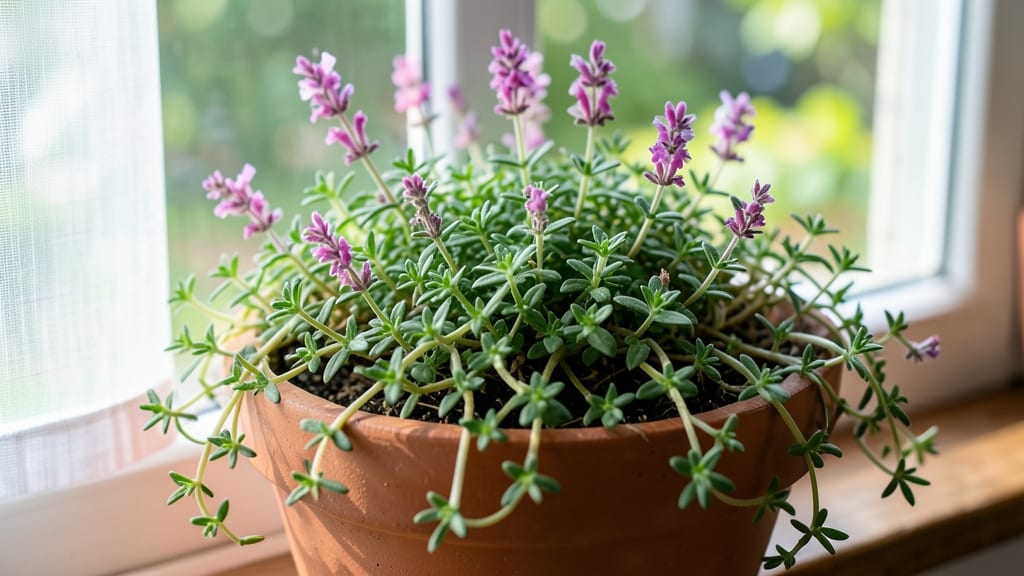
Looking for the fragrant flowering creeping thyme, a low-maintenance ground cover that blooms with vibrant purple flowers year-round? This hardy herb thrives in USDA Zone 6a and beyond, offering both beauty and practicality with minimal effort.
What makes creeping thyme so special is its ability to spread effortlessly while requiring little care. Whether you're looking to fill gaps between stepping stones, edge a flower bed, or create a pollinator-friendly border, this versatile plant delivers.
Plus, its drought tolerance means you won’t need to water it often once established.
In this guide, I’ll walk you through everything you need to know—from planting and soil prep to pruning and companion planting ideas. You’ll discover how easy it is to grow creeping thyme while keeping your garden looking lush and inviting. Let’s get started!
Ready to transform your garden into a fragrant, blooming oasis? Creeping thyme is the secret weapon you’ve been waiting for. With just a little effort, you’ll have a vibrant, low-maintenance ground cover that thrives all season long.
Why flowering creeping thyme is the perfect ground cover for any garden
If you're searching for a fragrant, evergreen ground cover that requires minimal effort but delivers maximum beauty, flowering creeping thyme is your answer. This hardy perennial spreads effortlessly while producing stunning purple blooms that attract pollinators year-round.
Unlike high-maintenance plants, creeping thyme thrives on neglect, making it ideal for busy gardeners or those new to landscaping.
The secret to its success lies in its drought tolerance and pest resistance. Once established, creeping thyme can go weeks without water, and its strong scent naturally deters common garden pests like deer and rabbits. This means fewer headaches and more time enjoying your garden's natural beauty.
What truly sets creeping thyme apart is its versatility in sun and shade. While it prefers full sun for optimal blooming, it can also thrive in partial shade, making it perfect for areas where other plants struggle.
Whether you're lining a walkway, filling gaps between rocks, or creating a pollinator-friendly border, this ground cover adapts effortlessly.
Beyond its practical benefits, creeping thyme offers year-round appeal. Its aromatic foliage provides winter interest, while the summer blooms add vibrant color. The best part? It stays compact—typically growing just 4-8 inches tall—so it won’t overwhelm smaller spaces or delicate flowers.
Let’s dive into why this plant is a game-changer for any garden, from its low-maintenance care to its stunning visual impact.
| Feature | Details |
|---|---|
| Plant Type | Hardy Perennial Herb |
| Sun Needs | Full Sun to Partial Shade |
| Water Needs | Drought Tolerant (Low) |
| Mature Size | 4-8 Inches Tall, Spreads 12-18 Inches |
| Bloom Time | Summer to Fall (Purple Flowers) |
| Hardiness Zone | USDA Zones 5-9 |
| Pest Resistance | Deer & Rabbit Resistant |
| Maintenance Level | Very Low (Minimal Pruning) |
One of the biggest advantages of creeping thyme is its ability to suppress weeds naturally. Its dense, spreading growth creates a thick mat that blocks sunlight from reaching weed seeds, reducing the need for herbicides or manual weeding.
This makes it a fantastic choice for gardeners who want to minimize their time spent on maintenance.
Its fragrant foliage adds another layer of appeal. Simply brush your hand over the leaves to release a delightful, earthy scent that’s perfect for creating sensory-rich garden spaces. You can even harvest the leaves for culinary uses, like garnishing dishes or making herbal teas, though its primary purpose is ornamental.
Unlike other ground covers that require frequent division or thinning, creeping thyme spreads naturally without becoming invasive. It stays contained in its designated area, making it ideal for edging flower beds or lining garden paths. Plus, its evergreen nature ensures your garden stays green and vibrant even in winter.
Whether you're a seasoned gardener or just starting out, creeping thyme is a low-risk, high-reward addition to any landscape. Its combination of beauty, practicality, and ease of care makes it a standout choice for transforming dull spaces into fragrant, colorful havens.
How to plant and care for creeping thyme for maximum blooms
Creeping thyme thrives when planted in well-draining soil with full sun exposure—at least 6 hours of sunlight daily. This hardy ground cover spreads beautifully, making it perfect for borders, slopes, or between stepping stones.
Start by preparing your soil in spring or early fall when temperatures are mild, ensuring optimal root establishment.
Before planting, amend your soil with compost or coarse sand if it’s heavy clay. Creeping thyme dislikes soggy roots, so improving drainage is key. Test your soil’s pH—it prefers a slightly alkaline range of 6.0-7.5. If your soil is too acidic, add lime to adjust it before planting.
⚠️ Avoid Overwatering New Plants
While creeping thyme is drought-tolerant, newly planted cuttings need consistent moisture for the first 2-3 weeks. Overwatering can lead to root rot, especially in heavy or compacted soil. Water deeply once a week during establishment, then taper off as roots spread.
When planting, space thyme 6-12 inches apart to allow room for spreading. Dig small holes just deep enough to cover the roots, then gently press the soil around each plant. A light layer of mulch helps retain moisture and suppress weeds without smothering the plant.
Watering is simple once established—deep soaks every 7-10 days are ideal. This encourages deep root growth and drought resistance. In hot, dry climates, you may need to water slightly more, but never let the soil stay soggy. Morning watering is best to reduce evaporation and fungal risks.
Prune creeping thyme after flowering in late summer or early fall to maintain shape and encourage new growth. Use clean, sharp shears to trim back one-third of the plant, focusing on leggy stems. This also prevents overcrowding and keeps the plant looking tidy year-round.
For maximum blooms, fertilize lightly in spring and early summer with a balanced 5-10-10 fertilizer. Avoid heavy feeding, as creeping thyme prefers lean soil. Deadhead spent flowers to redirect energy into new growth and prolong the blooming season.