
Blooming
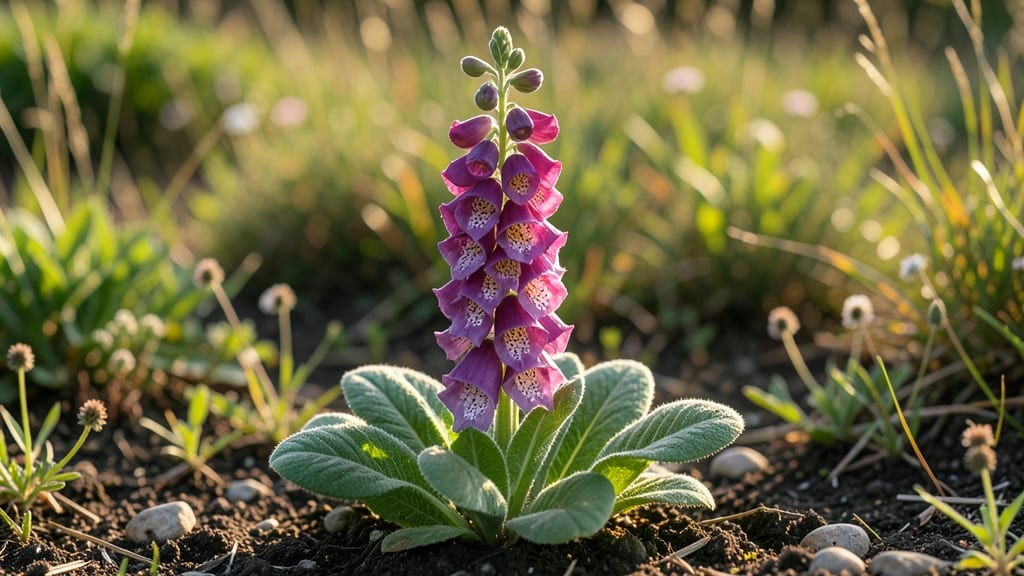
Timing your foxglove flower bloom time is the secret to unlocking those dramatic, towering spikes of color in your garden—because these biennials only put on their show for one season if you get it right.
Whether you're in USDA Zone 6a or further south, knowing when to expect those iconic bell-shaped blooms makes all the difference. I'll break down exactly when foxgloves 🌸 typically bloom based on your region, plus how to adjust for climate quirks that can shift those timelines.
You'll discover how to predict bloom dates from seed starting, avoid common mistakes that delay flowers, and even extend your foxglove's show with smart planting strategies. Let's make sure your garden gets that one glorious season of height and color it deserves.
From June to August in most areas, these plants transform gardens—but only if you understand their timing. I'll share the exact window you need to know for your zone, plus pro tips to keep them blooming longer.
Foxglove bloom time by USDA zone: months for peak height and color
Timing your foxglove bloom season depends heavily on your USDA zone and local climate. These biennials typically take 6-8 weeks from transplanting to peak flowering, but cooler zones delay blooms by 2-4 weeks.
For example, gardeners in Zone 3 often see blooms in late June to August, while those in Zone 10 enjoy flowers as early as March to May. Understanding these patterns helps you plan for succession planting or container displays.
Altitude also shifts bloom windows—high-elevation gardens (over 5,000 feet) may experience blooms 2-3 weeks later than sea-level counterparts.
For instance, a Zone 5 garden at 3,000 feet might bloom in late July, while the same zone at sea level could see flowers in mid-July. Early varieties like 'Early Purple' can push blooms 1-2 weeks earlier, while late varieties like 'White Knight' may delay flowering until August.
Here’s a quick reference for peak bloom months by zone, including adjustments for altitude and variety choices:
| USDA Zone | Peak Bloom Months | Altitude Adjustment | Early Variety | Late Variety |
|---|---|---|---|---|
| Zone 3 | Late June - August | +2 weeks over 5,000 ft | 'Early Purple' | 'White Knight' |
| Zone 4 | June - July | +1-2 weeks over 4,000 ft | 'Rosy Mist' | 'Excelsior' |
| Zone 5 | May - June | 0-1 week delay over 3,000 ft | 'Hot Chocolate' | 'Black Satin' |
| Zone 6 | April - May | -1 week below 2,000 ft | 'Green Mountain' | 'Apricot Whirl' |
| Zone 7-8 | March - April | -2 weeks coastal | 'Foxy' | 'Candy Mountain' |
| Zone 9-10 | February - March | +1 week inland | 'Peach Melba' | 'Bridal Veil' |
To extend your foxglove season, try succession planting every 2-3 weeks from late winter to early summer. For example, in Zone 6, sow seeds in February, March, and April to stagger blooms from May through July.
This works especially well for container gardens, where you can replace spent plants with fresh transplants. Deadheading spent blooms can also encourage secondary flowering in some varieties, though foxgloves are primarily one-time bloomers.
Soil temperature plays a critical role in bloom timing. Foxglove seeds need consistent soil temps below 60°F for 4-6 weeks before transplanting to ensure timely blooming. In warmer zones (7-10), provide partial shade during summer to prevent bolting or early wilting.
Mulch with 2-3 inches of organic matter to maintain even moisture and cool roots, which directly impacts bloom height and color intensity.
For container growing, choose dwarf varieties
How to predict your foxglove’s exact bloom time using seed age and planting method
Foxgloves are biennial powerhouses, meaning they take two growing seasons to complete their lifecycle—including that one magical bloom season. The key to predicting when your foxglove flowers will appear lies in understanding seed stratification and planting timing.
Whether you start seeds indoors or sow directly, these steps will help you calculate bloom dates with precision.
Most foxglove varieties need 60-90 days of cold stratification to break dormancy. This mimics winter conditions and ensures seeds germinate reliably. If you skip this step, your plants may bolt or fail to flower entirely.
I’ll show you exactly how to time your planting for peak blooms in your specific climate zone.
How to Calculate Foxglove Bloom Time
- 1 Stratify seeds for 60-90 days in moist peat moss at 35-40°F (start in late summer for spring blooms).
- 2 Sow indoors 10-12 weeks before last frost (typically February-March in Zones 5-7). Transplant seedlings outdoors after soil warms to 50°F.
- 3 Direct-sow seeds in late summer (Zones 4-6) or early fall (Zones 7-9) for spring blooms. Seeds need cold stratification over winter.
- 4 Bloom timing: Count 120-150 days from seed germination (or transplanting) to first flowers. June-August is typical in most regions.
- 5 Adjust for containers: Potted foxgloves bloom 2-3 weeks later than in-ground plants due to root restriction. Use larger pots (12"+ diameter) for earlier blooms.
For cold climates (Zones 3-5), extend your bloom window by starting seeds indoors in January and transplanting after frost. In warmer zones (Zones 8-10), direct-sow in fall for spring blooms, or plant in early spring for summer flowers.
The key is matching your planting method to your local frost dates.
If you’re growing foxgloves in containers, expect a slight delay in blooming. Container-grown plants often take 2-3 extra weeks to reach maturity compared to in-ground specimens. To compensate, start seeds 4-6 weeks earlier than your zone’s recommended date. Use well-draining potting mix and 12"+ pots to minimize root stress.
Once you’ve mastered these timing tricks, you’ll enjoy foxglove blooms that appear like clockwork—transforming your garden into a dramatic vertical display of color. The secret? Pay attention to your seed age, planting method, and local climate.
With these tools, you’ll never miss that one glorious season of foxglove magic again. 🌸