
Blooming
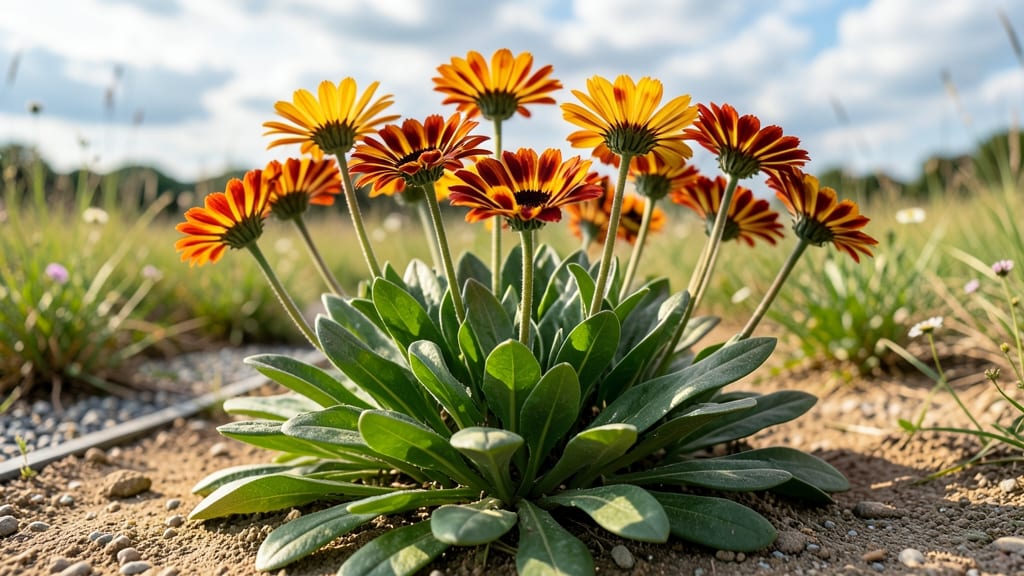
If you love vibrant blooms that thrive under the scorching sun, the gazania flower season is your perfect opportunity to transform your garden into a dazzling display of color.
These heat-loving beauties, with their cheerful daisy-like faces, burst into bloom just as other flowers start wilting. From late spring through fall, gazanias (🌼) put on a show that’s hard to beat—especially in USDA Zone 6a and warmer climates.
What makes them even better? With the right care, you can stretch their flowering season from June to September and beyond. I’ll share simple tricks to keep them blooming longer, whether you’re planting in April or extending their season into early autumn.
Let’s dive into how to make the most of your gazanias’ natural love for sunshine and warmth, so you can enjoy their cheerful faces all season long.
When do gazanias bloom? Ideal seasonal timeline for peak flowering
Gazanias are the unsung heroes of summer gardens, bursting into vibrant blooms when most flowers struggle in the heat.
Their natural gazania flower season typically spans from late spring to early fall, but with the right care, you can extend their show well into October or even longer in warmer climates.
These sun-loving annuals (or perennials in zones 10-11) thrive in USDA Zones 5-10, making them perfect for most U.S. gardens. Their blooming window varies slightly by region, but with a few simple adjustments, you can coax continuous colorful displays all season long.
The key to maximizing their flowering potential lies in understanding their natural blooming rhythms and how to work with your local climate. Let’s break down the ideal gazania flower season by zone, plus proven tips to stretch their performance.
| USDA Zone | Peak Blooming Window | Early Varieties | Late Varieties | Care Tip for Extension |
|---|---|---|---|---|
| 5-6 | Late May - September | 'Tahiti' (early June) | 'Sunburst' (late August) | Use black mulch to warm soil |
| 7-8 | Early June - October | 'Minaret' (early June) | 'Bright Bits' (mid-Sept) | Deadhead daily for rebloom |
| 9-10 | April - November | 'Sunny' (March-April) | 'Dazzler' (late Oct) | Light winter mulch for regrowth |
| 11 | Year-round (with gaps) | 'Rainbow' (spring) | 'Sunset' (winter) | Trim back after rain showers |
In USDA Zones 5-6, gazanias typically kick off their gazania flower season in late May, reaching peak bloom by June. The 'Tahiti' variety often leads the charge, followed by 'Sunburst' varieties that extend color into late summer.
A simple trick to jumpstart their season is using black landscape fabric as mulch—this warms the soil faster and encourages earlier blooming.
For Zones 7-8, the show begins even earlier, with 'Minaret' gazanias opening their cheerful faces by early June. These zones enjoy the longest natural blooming windows, often until October, but daily deadheading (removing spent blooms) can coax them into producing fresh flowers for weeks longer.
I’ve found that cutting back 1/3 of the plant in early summer encourages bushier growth and more blooms.
Warmer climates in Zones 9-10 get the ultimate advantage—they can enjoy gazanias from April through November with minimal effort. Varieties like 'Sunny' and 'Dazzler' thrive here, and a light winter mulch can even encourage regrowth after light frosts.
In my own Zone 9b garden, I’ve seen gazanias bloom in December after a mild winter!
If you live in Zone 11 or coastal regions with mild winters, gazanias can bloom year-round with only brief pauses after heavy rains. The secret here is regular pruning—trimming back leggy stems after rain showers keeps the plants compact and encourages continuous flowering.
I recommend using sharp shears and cutting just above a leaf node for the best results.
To extend your gazanias’ season no matter your zone, focus on three key factors: watering consistency, sunlight exposure, and soil temperature.
Water deeply every 3-5 days (more in extreme heat), place them in the sunniest spot possible (they need 6+ hours of direct sun), and avoid cold drafts. These simple adjustments can add 4-6 weeks to their blooming window!
One of my favorite tricks for late-season gazanias is succession planting. By sowing new seeds every 4-6 weeks from May through July, I’ve created a continuous bloom display from June through October. This works especially well in Zones 7-10 where the growing season is long.
For gardeners in cooler zones (5-6), consider starting gazanias indoors 6-8 weeks before your last frost date. This gives them a head start and extends their outdoor blooming season by
How to maximize gazania blooms year-round: planting and care secrets
To stretch your gazania flower season from summer’s peak to early autumn, start with the right soil preparation. These sun-lovers thrive in well-draining, sandy soil with a pH between 6.0 and 7.0.
Amend heavy clay by mixing in compost and perlite—this prevents root rot while mimicking their natural arid conditions. I’ve found that adding a slow-release fertilizer at planting time gives them a nutrient boost without overwhelming their delicate roots.
Your watering schedule is the next game-changer. Gazanias are famously drought-tolerant, but they still need consistent moisture during their active growth phase. Water deeply every 3-5 days, always in the morning to let foliage dry before evening.
Overwatering is their biggest enemy—it causes those stunning blooms to wilt faster. Pro tip: Let the top inch of soil dry out between waterings, and you’ll see fewer closed buds.
Now, let’s talk sunlight optimization. Gazanias are full-sun fanatics, requiring at least 6-8 hours of direct sunlight daily. If your garden gets afternoon shade, consider container planting where you can move them to sunnier spots.
I’ve had great success placing them near south-facing windows or on rooftop gardens where they bask in unfiltered rays. Even a few hours of shade can cause blooms to close prematurely, so prioritize their sun exposure.
Don’t overlook seasonal adjustments as temperatures shift. In late summer, when heat intensifies, mulch around plants with gravel or straw to retain moisture and cool roots. I’ve noticed my gazanias rebound faster after heatwaves when protected this way.
As autumn approaches, reduce watering gradually—this prepares them for dormancy if frost threatens. In USDA Zone 6a, I often overwinter potted gazanias by moving them to a sheltered spot.
For year-round blooms, try succession planting. Start your first batch in April-May for summer color, then sow a second round in June-July to carry you into early fall. I’ve had continuous blooms from June through October using this method.
Choose early-blooming varieties like ‘Sunburst’ for spring planting and late-season types such as ‘Tahiti’ for autumn extensions. Their vibrant hues will keep your garden lively when other annuals fade.
Finally, watch for pests and diseases that can cut short your gazania season. Aphids and spider mites love these tender blooms, but a neem oil spray keeps them at bay. I’ve never lost a plant to pests when I spray preventatively every 2 weeks.
With these care secrets, your gazanias will reward you with continuous color that rivals any seasonal display. Happy gardening! 🌼