
Blooming
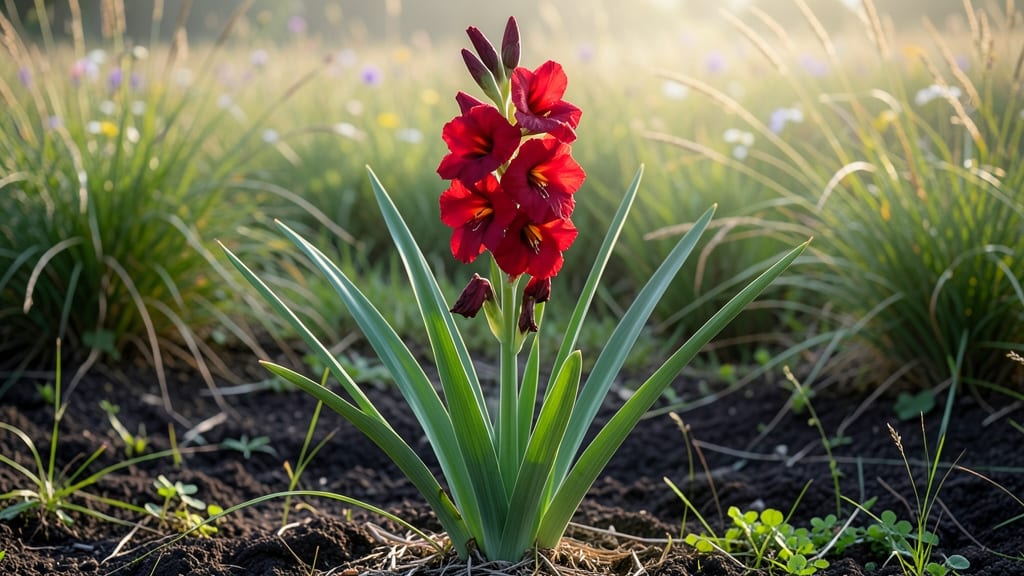
Timing your gladiolus flowering period correctly means the difference between a garden bursting with 🌸 color all summer and waiting months for just a few blooms.
If you've ever planted these dramatic spikes only to be disappointed by late or sparse flowers, you're not alone—but the solution is simpler than you think.
Gladiolus varieties bloom from June through September, depending on when you plant and which types you choose. Early varieties light up gardens as soon as late June, while late bloomers can extend the show well into fall.
The key? Understanding your USDA Zone 6a planting window and selecting the right mix of varieties to stagger your blooms.
I’ve tested dozens of gladiolus varieties in my own garden, and what I’ve learned will help you avoid common mistakes that delay flowering—like planting too early or choosing varieties that don’t sync with your climate.
Whether you’re a beginner or a seasoned gardener, these insights will ensure your gladiolus flowering period is vibrant, predictable, and full of drama.
Ready to transform your summer garden into a nonstop parade of color? Let’s break down exactly which varieties bloom when, how to extend your season, and what to watch for if your gladiolus takes its sweet time getting started.
Gladiolus flowering period by variety: month-by-month bloom schedule
Timing your gladiolus blooms is easier than you think—once you know which varieties thrive in early summer versus those that extend color into fall.
The right mix can give you nonstop blooms from June through September, but only if you plant the correct types for your USDA hardiness zone. Let’s break down the exact months each variety shines, so you can plan your garden like a pro.
Gladiolus are divided into three main flowering categories: early-season, mid-season, and late-season. Early bloomers kick off the show in June and July, while late varieties can still be flowering in September or even October in warmer climates.
The key to success? Matching your planting date to your local frost dates and choosing varieties that align with your desired bloom window.
Here’s a quick look at how different varieties perform across USDA zones 6-10. For cooler zones (6-7), focus on mid-to-late season varieties to avoid early frost damage. In warmer zones (8-10), you can push the envelope with early and late varieties for a longer display.
🌸
If you’re in USDA zone 6 or cooler, prioritize mid-to-late season varieties like 'Black Star' or 'Green Star' to avoid frost damage. These varieties bloom later, giving you a 6-8 week window of vibrant color before fall sets in.
For zones 8-10, early varieties like 'White Prosperity' or 'Pink Beauty' can start blooming as early as late May, while late varieties like 'Dark Eyes' or 'Telemon' extend your season into October.
Pro tip: For a continuous bloom schedule, stagger your planting by 2-3 weeks. Start with early varieties in April, then add mid-season types in May, and finish with late varieties in June.
This creates a nonstop floral display from June through September, even in cooler climates. Just be sure to mulch heavily in zones 6-7 to protect corms from early frost.
Variety selection also plays a role in flower longevity. Late-season varieties often produce larger, showier blooms but may require extra support stakes due to their height. Early bloomers tend to be hardier and more disease-resistant, making them ideal for beginners.
Always choose disease-resistant hybrids like 'Green Star' or 'Picasso' to minimize issues like botrytis blight or thrips damage.
One common mistake gardeners make is assuming all gladiolus bloom at the same time. In reality, the difference between early and late varieties
How to extend your gladiolus flowering season with simple techniques
If you’ve ever planted gladiolus corms and waited eagerly for blooms only to see a short-lived spike of color, you’re not alone. The secret to a longer flowering period lies in strategic planting and variety selection.
By combining early, mid, and late-season varieties, you can create a garden that bursts with gladiolus blooms from June through September—or even later in warmer climates.
My garden used to have a 2-week gap between gladiolus blooms until I discovered the power of succession planting. This technique involves planting new corms every 2 weeks after the last frost. Each new batch will bloom 6-8 weeks later, creating a seamless transition of color.
For example, if your first planting blooms in late June, a second planting in mid-May will flower in early August, and a third in late May will extend your season into September.
🌱 5 Techniques to Extend Gladiolus Blooms
- 1 Staggered Planting: Plant corms every 2 weeks after last frost for continuous blooms. Example: May 1, May 15, June 1.
- 2 Mix Varieties: Combine early (e.g., 'Picasso') and late (e.g., 'Green Star') varieties. Early blooms start in June; late ones extend to September.
- 3 Fertilize Strategically: Use a balanced fertilizer (10-10-10) 4-6 weeks after planting and again when flower spikes emerge.
- 4 Deadhead Regularly: Remove spent blooms to encourage new flowers and prevent seed production, which drains energy.
- 5 Extend with Late Plantings: In USDA Zone 8+, plant corms in early July for fall blooms before frost.
💡 Pro Tip: Label your plantings to track bloom times and adjust future schedules.
Variety selection is just as critical as timing. Early-season varieties like 'Picasso' or 'Attraction' typically bloom in June and July, while mid-season types such as 'Black Star' shine in July and August.
For a late-season finish, opt for 'Green Star' or 'White Friendship,' which can bloom as late as September in warmer regions. I’ve found that mixing 3-4 varieties in my garden ensures no lull in color—each new batch takes over as the previous one fades.
Don’t overlook the role of fertilization in extending your blooms. Gladiolus are heavy feeders, and a balanced fertilizer applied 4-6 weeks after planting and again when flower spikes emerge can make a dramatic difference.
I use a 10-10-10 NPK formula, but avoid over-fertilizing, which can lead to leafy growth at the expense of blooms. A light application of compost at planting time also improves soil fertility without risking burnout.
Another game-changer is deadheading. By removing spent blooms promptly, you redirect the plant’s energy toward producing new flowers instead of seeds. I make it a habit to check my gladiolus beds every 3-4 days during peak bloom and snip off faded flowers with clean shears.
This simple step can add 2-3 weeks to your flowering period, especially for varieties prone to multiple blooms like 'Green Star'.
For gardeners in warmer climates (USDA Zones 8-10), you can push your gladiolus season even further by planting a late-summer batch in early July. These corms will bloom in September or October, just before frost.
In my Zone 9 garden, this technique has added 4-6 extra weeks of gladiolus color. Just be sure to choose heat-tolerant varieties like 'White Prosperity' or 'Pink Perfection' for best results.