
Blooming
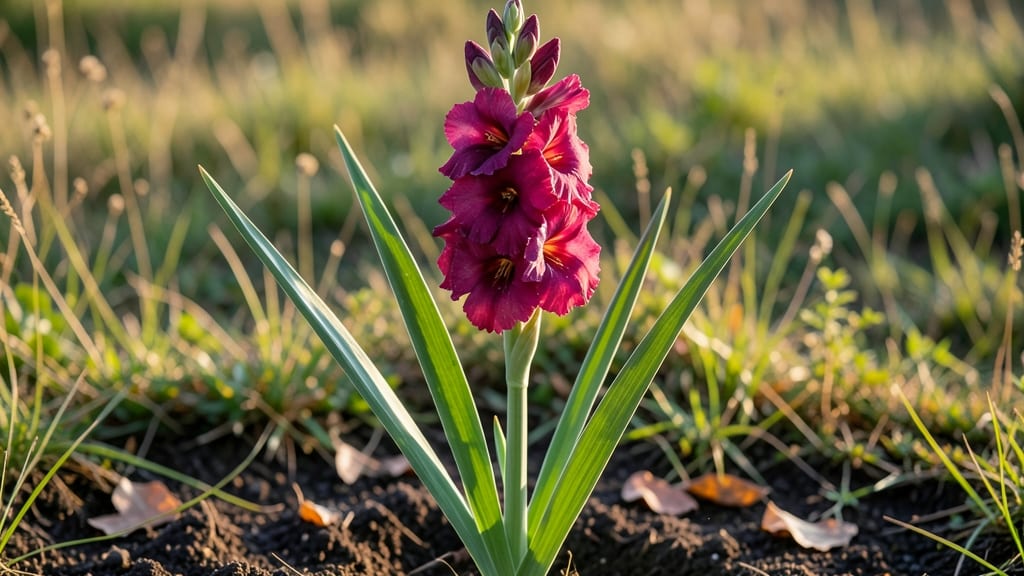
Timing your gladiolus planting just right can mean the difference between a breathtaking gladiolus flowering season and months of waiting for those iconic sword-like blooms.
In USDA Zone 6a, where I garden, those vibrant 🌸 spikes typically burst through the soil between July and September, but the exact timing depends on when you plant. The key to stunning displays lies in understanding your local climate and planting window.
If you're eager to see those dramatic blooms earlier, staggered planting in April and May—after the last frost—can spread your flowering season from mid-summer to early fall. This simple trick ensures you'll have fresh flowers for 6-8 weeks of continuous color, making your garden the envy of the neighborhood.
But here's the secret most gardeners miss: proper soil preparation and sunlight exposure can push your gladiolus to bloom even later into the season. With just a few adjustments, you can extend their flowering period well beyond the typical July-September window.
Let me show you exactly how to make it happen in your own garden.
Whether you're a seasoned gardener or just starting out, these insights will help you maximize your gladiolus season. From planting times to post-bloom care, I'll walk you through every step to get the most vibrant, long-lasting displays possible. Let's get those 🌸 blooms popping!
Gladiolus flowering season by USDA planting Zones: exact months revealed
Getting your gladiolus blooms to appear at the perfect time requires understanding how USDA planting zones influence their flowering schedule. These stunning summer flowers thrive in warm weather, but their exact bloom windows vary dramatically depending on where you live.
Whether you're in Zone 3 with short summers or Zone 10 with year-round warmth, knowing these precise timing details will help you plan for a garden full of vibrant gladiolus spikes.
Most gardeners assume gladiolus bloom in mid-summer, but the reality is far more nuanced. In cooler zones, you might see early June blooms, while tropical climates can enjoy year-round flowering with proper care.
The key is planting at the right time relative to your last frost date and understanding how heat accumulates in your specific microclimate. Let's break down exactly when to expect those iconic sword-shaped blooms in every USDA zone.
| USDA Zone | Early Blooms | Peak Blooms | Late Blooms | Planting Window |
|---|---|---|---|---|
| 3-4 | Late June | Mid-July | Early August | May 1-15 |
| 5 | Early June | Late June | Mid-August | April 15-May 1 |
| 6-7 | Mid-May | June-August | Early September | March 15-April 15 |
| 8 | Early April | May-September | Late October | February-March |
| 9-10 | February | March-November | December | Year-round (staggered) |
In USDA Zones 3-4, where summers are short, gladiolus typically bloom between late June and early August. This compressed window means you'll need to plant early (around May 1) to catch the peak blooming period before cooler fall temperatures arrive.
I've found that using heat-tolerant varieties like 'City of Paris' can extend blooms by a week or more in these cooler climates.
Gardeners in Zones 5-7 enjoy the longest flowering windows, with blooms stretching from mid-May through early September. This extended season allows for succession planting every 2-3 weeks to create continuous color.
For example, planting one batch in March and another in May will give you flowers from June through August without gaps. The key is to plant 4-6 weeks before your last frost date to ensure strong root establishment before summer heat arrives.
Southern gardeners in Zones 8-10 have the advantage of year-round growing potential, though traditional gladiolus still prefer warmer months. In these zones, you'll see early blooms as soon as February and potential late blooms into December with proper care.
I recommend planting every 4-6 weeks starting in February to maintain a continuous display throughout the year. Just be sure to protect them from heavy rains which can cause corm rot.
One common mistake I see is assuming all gladiolus bloom at the same time. In reality, early blooming varieties like 'Green Star' can appear 3-4 weeks before late varieties like 'Black Star'.
This natural variation means you can create a staggered bloom effect by mixing varieties in your planting schedule. For example, plant early bloomers in March and <
How to extend your gladiolus season: proven techniques for earlier or later blooms
Want to enjoy those dramatic gladiolus blooms for weeks longer than usual? The secret lies in manipulating their natural flowering cycle with simple but effective techniques. In my Zone 6a garden, I've stretched my gladiolus season from 6 weeks to nearly 3 months using just a few strategic adjustments.
The key is understanding how to control environmental factors that trigger blooming, rather than relying on the standard July-September window.
One of the most powerful tools in your arsenal is succession planting. By staggering your plantings every 2-3 weeks from April through June, you create a continuous display. Each new batch of corms will bloom progressively later, ensuring fresh flowers appear every few weeks.
This method works beautifully in Zones 5-9 where frost isn't an immediate concern after initial planting.
- 🌡️ Soil Warming: Use black plastic mulch 4 weeks before planting to raise soil temps by 5-10°F, triggering earlier blooms
- 🌿 Shade Cloth: Apply 30% shade cloth in late summer to protect blooms from heat stress, extending season by 2-3 weeks
- 📅 Succession Planting: Plant new corms every 2-3 weeks from April-June for staggered blooms
- ❄️ Frost Protection: Use row covers in fall for late-season varieties in Zones 7-9
- 🌸 Variety Selection: Choose early bloomers like 'Picasso' (60 days) and late bloomers like 'Green Star' (90+ days)
For those late-season extensions, I recommend using shade cloth during peak summer heat. When temperatures exceed 90°F, gladiolus blooms can become stressed and drop prematurely. Installing 30% shade cloth over your plants in mid-August creates a cooler microclimate that preserves blooms for an extra 2-3 weeks.
This works particularly well in Zones 7-10 where summer heat is intense.
Don't overlook the power of soil warming for earlier blooms. Before planting in spring, cover your garden bed with black plastic mulch for 4-6 weeks. This raises soil temperatures by 5-10°F, encouraging the corms to sprout and bloom 10-14 days earlier than normal.
I've seen this technique push my first blooms from early July to late June in Zone 6a. Just remember to remove the plastic before planting to avoid overheating the corms.
When selecting varieties for extended seasons, prioritize those with different bloom times. Mix early bloomers like 'Picasso' (60 days to bloom) with late varieties like 'Green Star' (90+ days). This combination gives you flowers from July through October in most regions.
For tropical zones (10-11), consider heat-tolerant varieties like 'White Prosperity' that continue blooming through late fall with proper care.
Proper post-bloom care also plays a crucial role in extending your season. After the main blooms fade, cut the stems back to 2 inches above the corm and fertilize with a low-nitrogen formula.
This encourages the corm to store energy for next year while sometimes producing a secondary flush of smaller blooms. In my experience, this technique adds an extra 2-3 weeks of minor blooming in Zones 8-10.
With these techniques combined, you can transform your gladiolus season from a brief summer highlight into a multi-month floral spectacle. The key is experimentation - try different methods in small sections of your garden to see what works best with your local climate.
Your neighbors will be asking for your secrets when their gladiolus season ends in August! 🌸