
Plants
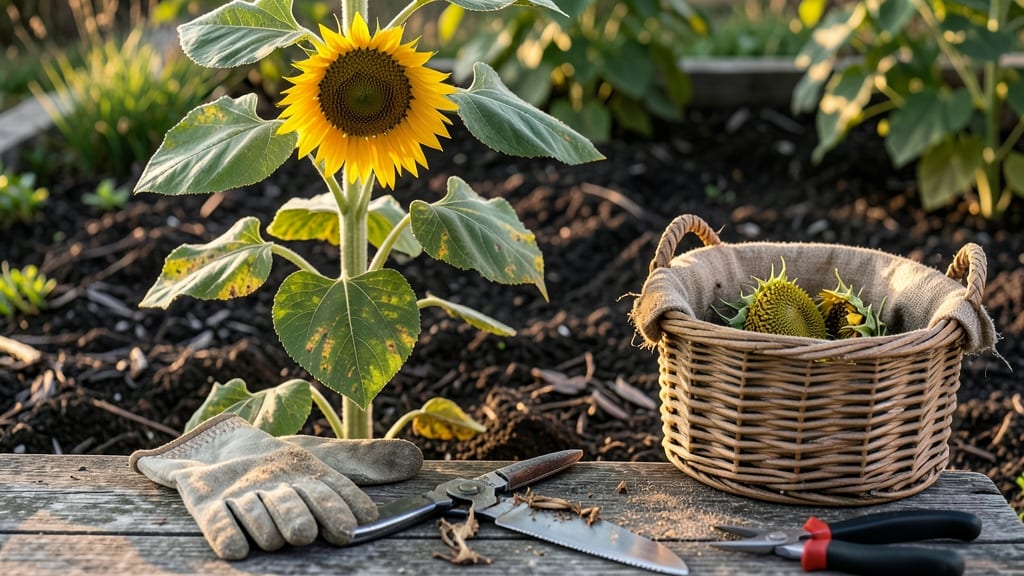
The perfect time to harvest sunflower heads for maximum seed yield
Timing your sunflower harvest perfectly ensures you get the highest seed yield with maximum quality. Harvest too early, and you’ll miss out on fully developed seeds.
Wait too long, and birds or weather may ruin your crop. The key lies in watching for visual cues and environmental conditions that signal peak maturity.
Sunflowers typically reach harvest readiness between 80 to 120 days after planting, depending on the variety. Giant varieties like 'Mammoth' or 'Russian Giant' may take longer, while dwarf types like 'Teddy Bear' mature faster.
Paying attention to petal color changes and seed development will help you pinpoint the exact moment to harvest.
🌻 Harvest Readiness Checklist:
- Petals turn brown and droop
- Back of flower head turns yellow or brown
- Seeds rattle when shaken gently
- Flower head feels dry and papery
| Stage | Visual Cues | Environmental Conditions | Action |
|---|---|---|---|
| Early Bloom | Petals fully open, bright yellow | Warm days, no frost risk | Monitor daily |
| Petal Droop | Edges turn brown, petals droop slightly | Night temps below 60°F | Check seed maturity |
| Peak Harvest | Petals fully brown, seeds rattle | Dry weather, no rain forecast | Harvest immediately |
| Overripe | Seeds scatter easily, head cracks | Humid or rainy conditions | Harvest and dry ASAP |
Environmental factors play a crucial role in determining the ideal harvest window. Aim to harvest during dry, sunny weather to prevent mold growth. If rain is forecasted, harvest early to avoid seed spoilage.
Morning harvests work best because the dew has dried, and the flower heads are firm.
Nighttime temperatures also influence maturity. When evening temps drop below 60°F (15°C), sunflower seeds develop faster. This is nature’s signal that the seeds are nearing full maturity. If you’re growing in a hot climate, seeds may mature more slowly, so monitor them closely for visual maturity cues.
For maximum seed yield, focus on these three key indicators:
- Petal color change from bright yellow to brown
- Seed rattling when gently shaken
- Dry, papery flower head at the base
If you’re unsure whether your sunflowers are ready, perform the "seed shake test". Hold the flower head over a paper bag and give it a gentle shake.
If seeds rain down easily, they’re ready for harvest. If only a few seeds fall out, wait another 3 to 5 days for full maturity.
Harvesting at the right time ensures your seeds are plump, dry, and viable for planting next season. Overripe seeds may lose germination potential, while underripe seeds won’t store well. Paying attention to these maturity signals guarantees a successful harvest every time.
Pro tip: Mark your calendar when you notice the first signs of petal browning. This helps you stay ahead of the harvest timeline and avoid missing the peak maturity window. With the right timing, you’ll enjoy a bountiful sunflower seed harvest year after year!
How to properly cut sunflower heads without damaging the plant
Once your sunflowers reach maturity, harvesting their seed heads correctly ensures a bountiful yield without harming the plant. The right technique preserves seed viability and prevents disease. Start by selecting a dry, sunny day—this minimizes moisture-related issues and speeds up drying.
Avoid harvesting after rain, as damp seeds are prone to mold and rot.
Use the right tools for clean cuts. A sharp pruning shears or clean handsaw works best—never use dull scissors, as they crush stems and invite pests. Cut the stem 1-2 inches below the flower head to leave room for drying.
This small detail prevents the head from touching the ground, where moisture and pests lurk.
Step-by-Step Harvesting Guide
- Step 1: Wait until the back of the flower head turns brown or yellow and seeds rattle when shaken. This signals full maturity.
- Step 2: Hold the stem firmly near the base and cut at a 45-degree angle 1-2 inches below the head. This prevents water from pooling.
- Step 3: Remove the outer petals and any remaining green tissue to expose the seed head. This speeds up drying.
- Step 4: Hang the flower heads upside down in a well-ventilated, dry space (like a garage or shed) for 2-3 weeks. Avoid direct sunlight to prevent seed cracking.
- Step 5: Once fully dry, gently rub the seed head between your hands to release seeds. Store in a paper bag or jar in a cool, dark place.
After cutting, leave the stem stubs intact—this allows nutrients to flow back into the roots, promoting future growth if you’re saving seeds for next year. If you’re harvesting for flower arrangements, cut stems at a 45-degree angle underwater to extend vase life.
This simple trick prevents air bubbles from blocking water uptake.
Post-harvest care is critical for seed viability. Store dried seeds in a paper bag (not plastic) to allow airflow and prevent mold. Label the bag with the harvest date and variety—seeds lose viability over time, especially in humid climates.
For long-term storage, refrigerate seeds in an airtight container with a silica gel packet to absorb moisture.
Watch for pests like birds or squirrels, which may target your drying heads. Hang them in a mesh bag or netting if wildlife is a concern.
If you notice discoloration or soft spots on seeds, discard them immediately—this indicates mold or spoilage. Always work with clean tools to avoid spreading disease between plants.
With these techniques, you’ll maximize your sunflower seed harvest while keeping your plants healthy for future seasons. Happy harvesting! 🌻✂️🌾