
Size
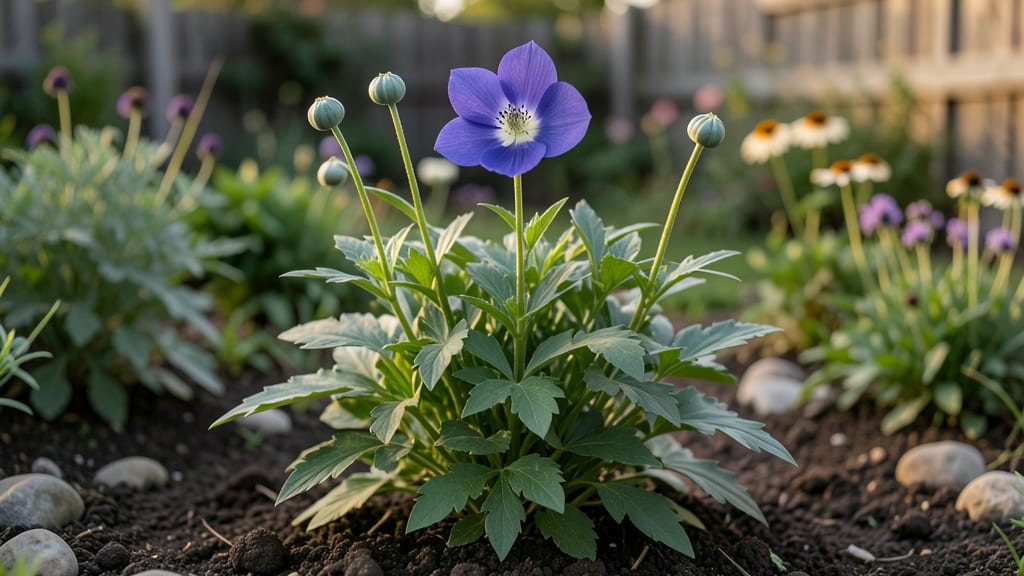
If you're dreaming of adding balloon flowers 🌸 to your garden but wondering how much space they'll need, here's the good news: these beauties come in sizes to fit every spot, from tiny containers to sunny backyards.
Most varieties reach 2 to 3 feet tall at maturity, with some dwarf types staying under 12 inches while larger cultivars can stretch toward 3 feet. The spread typically matches the height, so plan for about 18 inches between plants to give them room to thrive.
What makes this even better? Their size stays consistent throughout the growing season, so you won't be surprised by sudden growth spurts. Whether you're planting in USDA Zone 6a or a container garden, knowing these dimensions helps you create the perfect backdrop for your spring blooms.
Ready to transform your garden? I'll show you how to choose the right variety for your space and keep them looking their best all season long.
Balloon flower height by variety: from dwarf to giant sizes
One of the first questions I get about balloon flowers (Platycodon grandiflorus) is how big they'll grow. The answer? It depends entirely on the variety you choose! These charming perennials offer options for every garden space, from dwarf types under 12 inches to tall varieties reaching 3 feet.
Knowing these dimensions helps me plan perfect planting arrangements without overcrowding or wasted space.
Most balloon flowers develop a compact, bushy habit with multiple stems, making them ideal for borders, containers, or cottage garden backdrops. Their spread typically matches their height, so spacing becomes just as important as height when designing your layout. Let's explore the size ranges you'll encounter in popular cultivars.
Pro Tip: Always check your specific variety's tag or seed packet, as some hybrid cultivars can exceed these general ranges. The dwarf varieties are perfect for container gardening or rock gardens, while the taller types make stunning backdrop plants for perennial borders.
The 'Little Bell' variety is my go-to for small spaces, fitting perfectly in 10-inch containers while still producing abundant blooms. Its 8-12 inch height makes it ideal for window boxes or fairy garden designs where space is limited. I've even seen it thrive in hanging baskets with proper support.
For mid-sized gardens, 'Astra Blue' and 'Fuji Pink' strike the perfect balance, reaching 12-24 inches tall while maintaining a neat, compact shape. These varieties work beautifully in perennial borders or as color accents near pathways. Their vibrant blue and pink blooms add instant color to any landscape.
When I need a dramatic backdrop, I turn to 'Grandiflorus' and 'Hortensia', which can reach up to 3 feet tall. These taller varieties create stunning vertical interest in cottage gardens or when planted behind shrub roses.
Their bold flower heads make them perfect for cut flower arrangements too.
Remember that soil quality and sunlight exposure can influence final height by 10-15%. Plants in rich, well-draining soil with full sun exposure tend to reach their maximum potential, while those in shadier conditions may stay slightly shorter but produce more compact growth.
This is why I always recommend amending your soil with compost before planting.
The spacing recommendations in the table above ensure each plant has
How to control balloon flower size naturally for compact or taller growth
Balloon flowers (Platycodon grandiflorus) are incredibly adaptable, and with the right techniques, you can coax them into dwarf sizes under 12 inches or encourage them to reach their full 3-foot potential.
The key lies in understanding how pruning, sunlight exposure, and fertilization influence their growth patterns throughout the season.
For compact growth, focus on early pruning and partial shade during hot summer months. To promote taller stems, provide full sun exposure and balanced nutrients from spring through early summer. These methods work naturally without chemicals, ensuring your plants stay healthy while achieving your desired size.
🌱 Key Techniques for Size Control
- 1. Pruning Strategy: Pinch back top growth by 1/3 when plants reach 6 inches to encourage bushier, shorter growth.
- 2. Sunlight Management: Provide 6+ hours of sun for taller growth, or 4-5 hours for dwarf varieties.
- 3. Fertilization Timing: Use low-nitrogen fertilizer in spring for compact growth, or balanced NPK in summer for height.
- 4. Watering Depth: Deep watering promotes stronger stems for taller plants; shallow watering keeps growth controlled.
- 5. Seasonal Adjustments: Reduce water in late summer to slow growth before dormancy.
Let's start with pruning techniques, which are the most effective way to control height naturally. When your balloon flowers reach about 6 inches tall, pinch off the top set of leaves.
This encourages lateral branching, resulting in a bushier, more compact plant that stays under 12 inches. For taller varieties, avoid heavy pruning and let the stems grow naturally.
Next, sunlight exposure plays a crucial role. Place dwarf varieties in partial shade (4-5 hours of sun) to limit their height, while taller varieties thrive with full sun (6+ hours). In hot climates, afternoon shade helps prevent leggy growth, keeping plants more compact.
Fertilization timing matters too. For dwarf growth, use a low-nitrogen fertilizer (5-10-10) in early spring to promote foliage without excessive height. For taller plants, switch to a balanced fertilizer (10-10-10) in late spring to support stem elongation. Always apply fertilizer in the morning to prevent root burn.
Finally, adjust your watering habits based on your goals. For compact growth, water shallowly and frequently to keep roots near the surface, limiting upward growth. For taller plants, water deeply once a week to encourage strong root development and stem elongation.
With these natural techniques, you'll have balloon flowers perfectly sized for your garden—whether you need a low border plant or a dramatic backdrop. Experiment with different methods to find what works best for your climate and space! 🌿