
How To
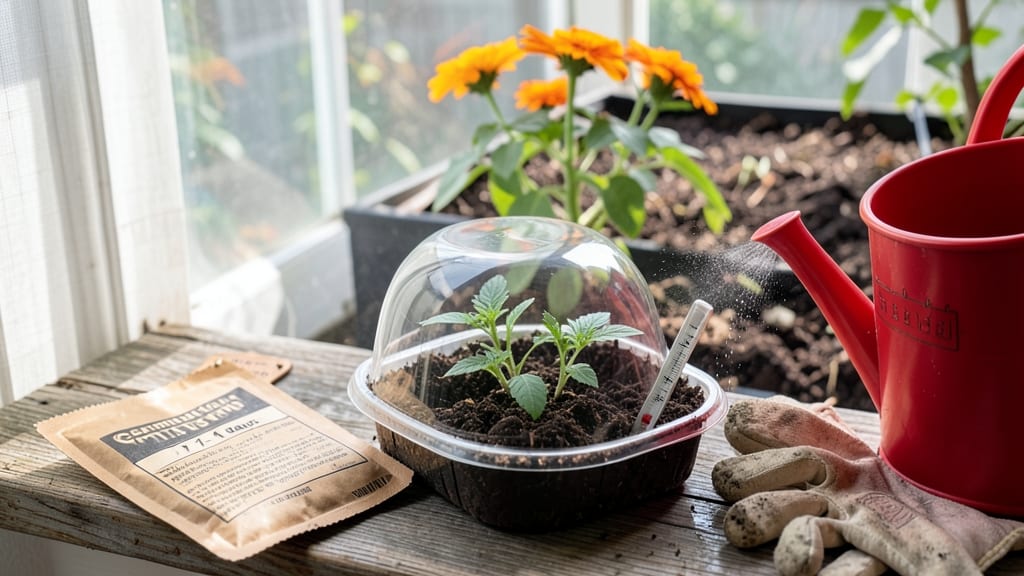
If you’ve ever stared at a tray of flower seeds 🌸 wondering how long do flower seeds take to grow, you’re not alone.
The truth is, germination timelines can vary wildly—from just 3 days for speedy zinnias to over 30 days for stubborn roses—and getting this right makes all the difference between a thriving garden and a pile of disappointment.
I’ve tested dozens of seed varieties in my own Zone 6a garden, and the biggest surprise? Most beginners overlook how temperature, moisture, and even seed depth play a role in speeding up (or slowing down) those first tiny shoots.
What you might think is "patient waiting" could actually be a fixable issue—like planting too deep or keeping the soil too dry.
In this guide, I’ll break down exactly what to expect for different flower seed types, plus the hidden tricks that’ll have your seeds popping up faster than you’d believe.
Whether you’re a first-timer or a seasoned gardener, these insights will help you troubleshoot delays and get your garden blooming on schedule.
Ready to turn those empty trays into a burst of color? Let’s dive into the science—and the secrets—behind how long your flower seeds really need to grow.


Flower seed germination times: fastest to slowest growing species revealed
If you've ever impatiently waited for flower seeds to sprout, you're not alone! Some seeds pop up in just a few days, while others take weeks—or even months—to break through the soil.
Understanding these germination timelines helps you set realistic expectations and troubleshoot delays. I've grown everything from fast-sprouting zinnias to stubborn lavender seeds, and the differences are dramatic.
The speed at which flower seeds germinate depends on three key factors: the plant species, soil temperature, and moisture consistency. Annuals like marigolds and sunflowers often sprout within a week, while perennials like roses or peonies can take 2-4 weeks or longer.
Even within the same family, varieties vary—like how some tomato seeds sprout in 5 days while heirloom types might need 10.
Here’s a quick breakdown of what to expect, from the fastest to slowest germinating flower seeds, plus the environmental conditions that influence their speed. This table will help you plan your garden and avoid unnecessary worry when sprouts don’t appear on schedule.
Annual flowers like zinnias and marigolds are the speed demons of the garden, often sprouting within a week if conditions are ideal. Their quick germination makes them perfect for filling gaps or creating instant color.
I’ve sown zinnias in early spring and seen them pop up in just 3 days when the soil was warm and moist. The trade-off? Their lifespan is shorter—most annuals complete their life cycle in one season.
Perennials, on the other hand, take their time. Plants like lavender and <
How to speed up flower seed germination: pro tips for faster sprouts
If you're eager to see those first green sprouts, you're not alone! Some flower seeds can take weeks to germinate, but with the right techniques, you can cut that time in half.
The key lies in mimicking the ideal conditions these seeds evolved to thrive in—warmth, moisture, and sometimes even a little encouragement to break dormancy. Let’s dive into proven strategies to help your seeds wake up faster and grow stronger.
First, understand that soil temperature is the #1 factor controlling germination speed. Most flower seeds need warmth between 65°F and 85°F—cool soil slows everything down.
For example, marigolds and zinnia seeds sprout in just 3-7 days when kept warm, while lavender or dill may need 14-30 days unless you give them a boost. A simple heat mat or sunny windowsill can make all the difference.
- 🌡️ Warmth Trick: Use a seedling heat mat (70-85°F) for fast germinators like basil or cosmos. Place trays on top of your fridge if you lack a mat—just avoid extreme heat!
- 💧 Moisture Mastery: Bottom-watering (placing trays in shallow water) keeps soil evenly moist without drowning seeds. For tiny seeds (e.g., pansies), mist lightly with a spray bottle to avoid displacement.
- ⏳ Pre-Treatment: Soak hard-coated seeds (like lupines) in lukewarm water for 12-24 hours to soften the shell. For stubborn perennials (e.g., peony), scarify seeds by lightly sanding the outer layer.
- 🌱 Light Exposure: Most seeds germinate in darkness, but some (like lettuce) need light. Cover trays with a damp paper towel until sprouts appear—then uncover. LED grow lights 12 inches away can help if natural light is weak.
- 🧪 pH Check: Test your soil’s pH (6.0-7.0)—acidic or alkaline conditions can stall germination. Add lime to raise pH or sulfur to lower it if needed.
Don’t overlook the power of humidity—a clear plastic dome or humidity tent over your seed trays creates a greenhouse effect, trapping moisture and warmth. This works especially well for delicate seeds like orchids or african violets, which thrive in 70%+ humidity.
Just remember to ventilate daily to prevent mold. If you notice fuzzy growth, increase airflow immediately.
For seeds that still refuse to sprout after 2-3 weeks, try a cold stratification trick. Place them in a sealed bag with damp peat moss and refrigerate for 1-3 months—this mimics winter conditions and breaks dormancy for native wildflowers or tree seeds.
Once stratified, move them to warmth, and you’ll often see sprouts within 7-10 days.
Finally, patience and consistency are your best friends. Check trays daily for moisture—soil should feel like a wrung-out sponge. Avoid peeking too often, as temperature fluctuations can shock seeds.
Once you see those first tiny green hooks, move trays to bright indirect light and prepare for the next phase: hardening off your seedlings!
With these pro tips, you’ll turn slowpokes into speedy sprouts in no time. Happy growing—your garden’s future blooms are waiting! 🌱