
Flowers
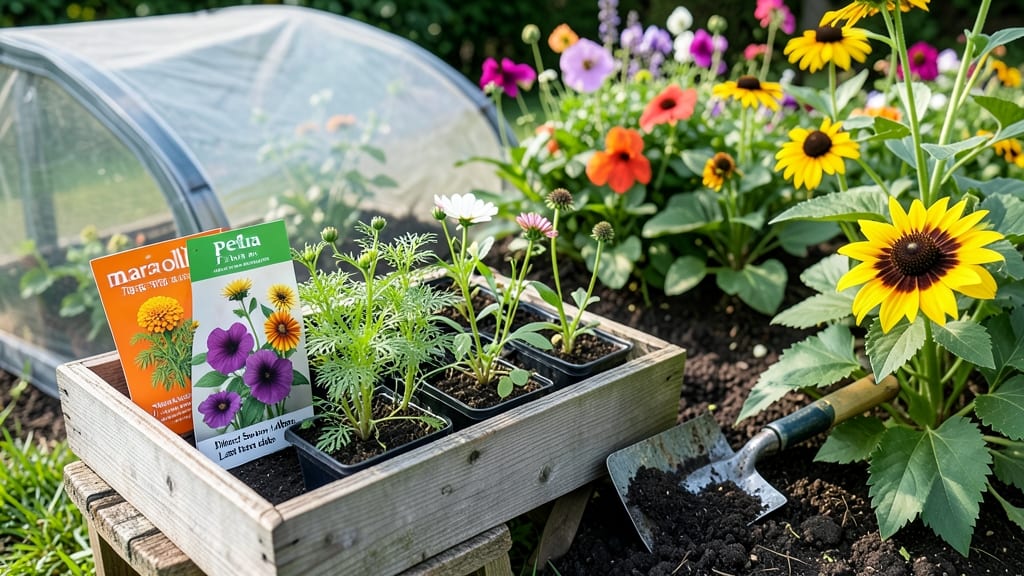
Planting flower seeds in Massachusetts at the wrong time can turn your dream garden into a sad, frost-bitten memory—especially when last frost dates shift every few years. Whether you're sowing hardy black-eyed Susans in Zone 5 or delicate marigolds in Zone 6, timing matters more than most gardeners realize.
The key is understanding your microclimate. Western MA’s Zone 5b might still see frost in mid-May, while Boston’s Zone 6b could be safe by early April.
This guide cuts through the guesswork with exact deadlines for 30+ varieties, plus pro tips to stretch your season—like using row covers to plant cosmos a full month earlier.
You’ll learn when to start seeds indoors (hint: February for cold-hardy annuals), which perennials like coneflowers can handle late summer sowing, and how to spot your region’s last safe planting window before fall frosts arrive.
No more wasted seed packets or wilting dreams—just a garden that blooms reliably from spring to frost.
Let’s dive into the month-by-month schedule that’ll have your yard bursting with color, no matter where in Massachusetts you’re gardening. Ready to turn your timing from "maybe" to "always perfect"?
Massachusetts flower seed planting deadlines by frost dates (zones 5-6)
Massachusetts gardeners know timing is everything when planting flower seeds. With Zone 5 (Western MA, Worcester) experiencing later frosts than Zone 6 (Boston, Cape Cod), your planting schedule must account for these differences.
The average last frost dates are May 15 for Zone 5 and May 1 for Zone 6, but these can shift by weeks. This guide helps you align your planting with these critical deadlines, whether you're sowing cold-hardy annuals, tender perennials, or bulbs.
For many gardeners, the key to success lies in starting seeds indoors 6–8 weeks before the last frost. This gives delicate seedlings a head start while protecting them from late-season chills. For example, pansies and snapdragons can handle cooler temps, but marigolds and cosmos need warmer soil to thrive.
Below, we’ve broken down the exact windows for both zones, including when to sow outdoors and when to transplant seedlings for maximum blooms.
Pro Tip: Always check your local frost date forecast in early spring, as climate shifts can delay frosts by 1–2 weeks. Use a frost watch app or consult your local Cooperative Extension office for real-time updates.
For Zone 5 gardeners in Western MA, where frosts linger longer, focus on early starts indoors for perennials like coneflowers and black-eyed Susans. These plants benefit from a head start, as cooler soils can delay germination.
In contrast, Zone 6 gardeners in Boston or Cape Cod can push outdoor sowing slightly earlier, especially for heat-loving annuals like zinnias and sunflowers, which thrive in warmer microclimates.
One of my favorite tricks is using black plastic mulch to warm the soil faster in spring. This can shave off 1–2 weeks from your outdoor sowing window, giving you more flexibility.
Just lay it down 2–3 weeks before planting and remove it once seeds are up to avoid overheating. Pair this with a row cover for extra protection if late frosts are forecasted.
If you’re planting bulbs for spring blooms, don’t wait until winter—start in late summer or early fall
5 Pro tips to extend your Massachusetts flower season (avoid frost damage)
Massachusetts gardeners know the struggle: one week of warm weather can turn into another frost warning overnight. The key to beating unpredictable frosts isn't just planting at the right time—it's extending your season with smart strategies.
I've tested these five pro tips in my own Zone 6 garden, and they've added 4-6 extra weeks of blooms to my annuals and perennials.
Whether you're dealing with late spring frosts or early fall chills, these methods will help you push your planting windows earlier or later while protecting delicate seedlings. The best part? Most require minimal investment and can be adapted to any garden size, from containers to raised beds.
My favorite tip? Microclimate selection can make a huge difference in frost protection. South-facing walls, slopes, and even container gardens on patios warm up faster than open ground. Last year, I planted pansies in containers near my brick wall and enjoyed blooms until December in Zone 6.
Don't forget that perennials are your best friends for extending seasons. Plants like coneflowers and black-eyed Susans establish strong root systems that help them bounce back from early frosts. Pair them with annuals that bloom at different times for a non-stop color show from spring to fall.
With these strategies, you'll transform your Massachusetts garden into a year-round blooming paradise—no matter when Mother Nature decides to throw frost at you. Start with just one or two tips this season, and watch your garden thrive beyond what you thought possible. Happy planting! 🌸